 Skip to main content

Basement Dehumidifier vs Sump Pump: Which Does Your Louisiana Home Need?
A sump pump removes standing water. A dehumidifier removes moisture from the air. Louisiana homes need both. Here is how to tell which problem you have and what each costs.
If your Louisiana basement has standing water after storms, you need a sump pump. If it smells musty, feels damp, and grows mildew without ever actually flooding, you need a dehumidifier. They solve two different problems, and in our humid climate, plenty of homes have both problems at once.
Louisiana basements live a hard life. Gulf humidity keeps the air damp year-round, heavy spring rains push groundwater against foundation walls, and our clay soil holds that water right where it does the most damage. Homeowners in Shreveport, Bossier City, and the surrounding parishes often ask us which device they should buy first. The honest answer starts with figuring out what kind of water problem you actually have.
This guide breaks down what each device does, how to diagnose your own basement, what each one costs to buy and run, the maintenance nobody warns you about, and the situations where installing both is the right call.
What Each Device Actually Does
Mixing these two up is the most common mistake we see. They’re not competitors. They’re different tools for different jobs.
The sump pump: your flood fighter
A sump pump sits in a pit (the sump basin) at the lowest point of your basement floor. When groundwater rises into the pit, a float switch triggers the pump, which pushes the water up and out through a discharge pipe, away from your home. It only runs when there’s actual water to move. A good sump system includes a sealed basin, a check valve so water doesn’t flow back down, and ideally a battery backup for power outages, because Louisiana storms love to knock out power right when you need the pump most.
The dehumidifier: your moisture manager
A dehumidifier pulls moisture out of the air and drains it away, keeping relative humidity in the healthy 30–50% range. It runs on a humidistat, cycling on whenever the air gets too damp. A basement-grade unit is built for cooler temperatures and continuous drainage, unlike the small portable units sold for bedrooms. It does nothing about standing water. If your basement floods, a dehumidifier just sits there humming while the water rises around it.
Diagnose Your Basement: Which Problem Do You Have?
Before you buy anything, spend a week observing. A $20 humidity meter from the hardware store will tell you more than any guesswork.
- You need a sump pump if: water pools on the floor after rain, you see water seeping through the wall-floor joint, the basement has flooded before, or there’s an existing sump pit that fills during storms.
- You need a dehumidifier if: the basement smells musty, you see mildew on walls or stored items, condensation forms on pipes or walls, humidity readings stay above 60%, but the floor stays dry.
- You likely need both if: the basement floods in big storms AND stays damp and musty the rest of the year. This is extremely common in Louisiana, where a single home can have a groundwater problem in April and a humidity problem in August.
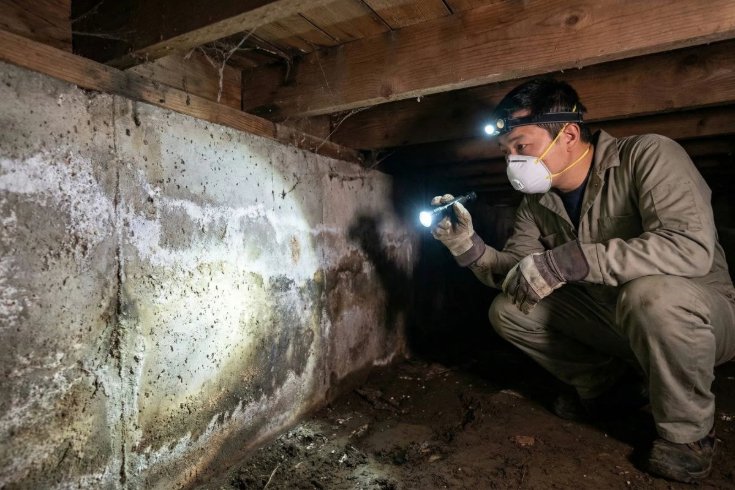
One more check that matters: persistent dampness can also signal water coming through foundation walls or a failing exterior drainage system. If you see efflorescence (white mineral crust) on block walls, horizontal cracking, or water stains high on the wall, get a basement waterproofing inspection before you spend money on equipment. A device treats the symptom. Waterproofing treats the source.
Side-by-Side Comparison
| Feature | Sump Pump | Dehumidifier |
|---|---|---|
| Problem it solves | Standing water and groundwater intrusion | Airborne moisture, mustiness, condensation, mold risk |
| Installed cost range | $800–$2,500 (more with battery backup) | $1,200–$2,800 for a basement-grade unit |
| Running cost | Low; only runs when pumping water | Moderate; runs daily in Louisiana summers |
| Maintenance | Test quarterly, clean the pit yearly, replace every 7–10 years | Clean the filter monthly, check the drain line, replace every 5–8 years |
| Power outage risk | High; needs a battery backup or it can’t pump | Low; humidity just creeps up until power returns |
| Handles flooding | Yes, that’s its whole job | No, not at all |
| Handles mustiness | Only indirectly, by removing the water source | Yes, that’s its whole job |
The Maintenance Nobody Warns You About
Both devices fail quietly, and both tend to fail exactly when you need them. A sump pump that hasn’t run in eight dry months can seize up, and you’ll only discover it during the storm that’s flooding your basement. A dehumidifier with a clogged filter slowly loses effectiveness until the musty smell comes back and you assume the unit is just “worn out.”
Put both on a simple schedule:
- Sump pump: pour a bucket of water in the pit every 3 months to confirm the float triggers and the pump discharges. Clean sediment from the pit once a year. Test the battery backup twice a year. Plan on replacing the pump every 7 to 10 years.
- Dehumidifier: rinse or replace the filter monthly during summer. Check that the drain hose or condensate pump flows freely. Wipe down the coils yearly. Expect 5 to 8 years of life from a quality basement unit running in Louisiana humidity.
And here’s the Louisiana-specific warning: our storm season brings the exact combination that defeats unprotected systems, which is a hard rain plus a power outage. A sump pump without a battery backup is a decoration during the storms that matter most. Budget the extra few hundred dollars for the backup. It’s the cheapest insurance in the whole system.
For a deeper look at pump costs and options, see our breakdown of basement sump pump installation cost.
When You Need Both (and How They Work Together)
In Louisiana, “both” is the answer more often than homeowners expect. Here’s why the combination works so well: the sump pump handles the events, and the dehumidifier handles the everyday. The pump keeps storm water off your floor. The dehumidifier keeps the other 350 days of Gulf humidity from turning your basement into a mildew farm.
They also protect each other. A basement that stays damp rots out sump pit components and discharge fittings faster. A basement that floods occasionally overwhelms a dehumidifier and shortens its life. Together, each one does less work and lasts longer.
The ideal Louisiana basement setup looks like this:
- A primary sump pump with a battery backup in a sealed basin
- A basement-grade dehumidifier with continuous drainage (not a bucket you empty)
- Exterior grading and downspout extensions so less water reaches the foundation at all
- Window wells that drain properly instead of funneling water inside – see our guide to basement window well drainage
If water is getting in faster than any pump can handle, or if it’s coming through the walls rather than up through the floor, equipment alone won’t fix it. That’s a waterproofing problem, and it needs a basement waterproofing solution: exterior drainage, interior drain tile, or wall membranes, depending on what the inspection finds.
What About Crawl Spaces?
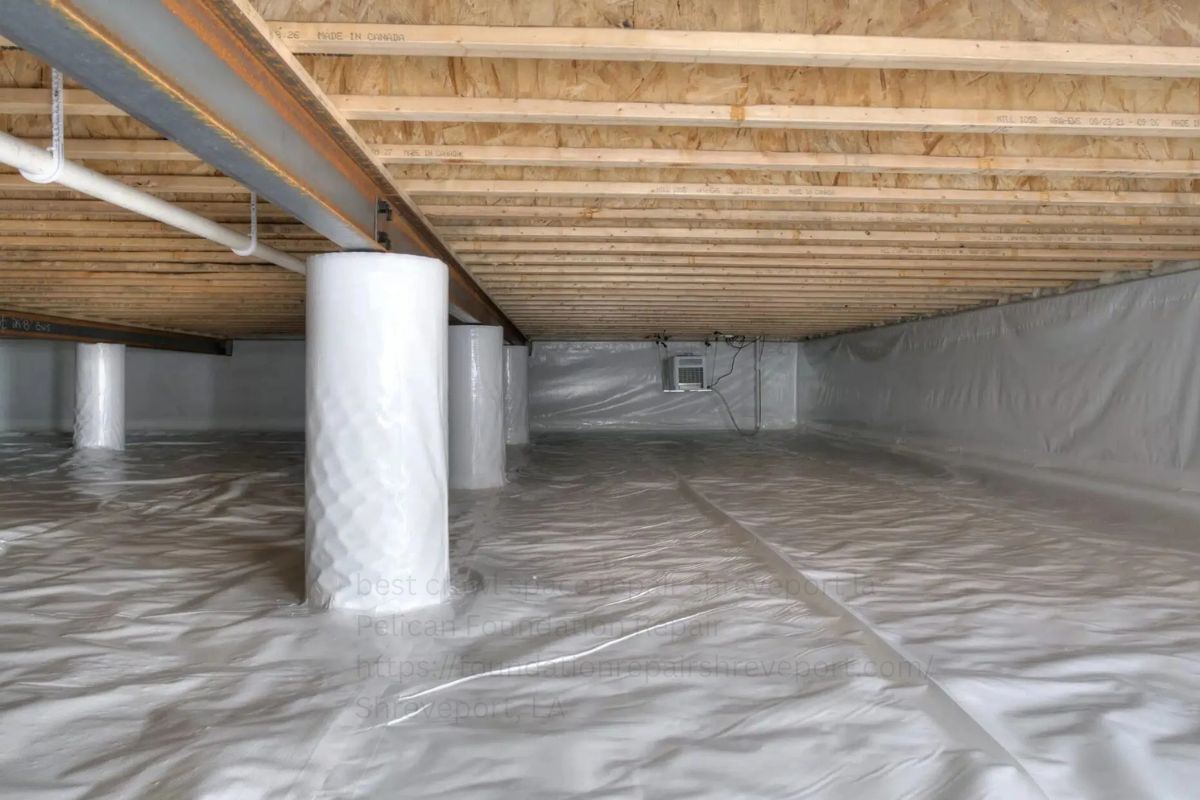
A quick note for the many Louisiana homes built on pier-and-beam or with partial crawl spaces: the same logic applies, with one twist. Crawl spaces rarely need sump pumps, but they desperately need moisture control. An encapsulated crawl space with a dehumidifier stays dry, protects the wood framing above it, and keeps humid air from rising into your living space. If your crawl space has standing water after rains, though, that’s a drainage problem first and a humidity problem second. Fix where the water comes from, then manage what’s left in the air.
The EPA publishes guidance on controlling indoor moisture and mold that lines up with everything above: keep indoor humidity below 60%, ideally 30–50%, and fix water intrusion at the source rather than just treating the air. Pelican’s free inspections, available Monday–Saturday, 8:00 AM–6:00 PM, will tell you honestly whether you need equipment, waterproofing, or both.
Frequently Asked Questions
Do I need a sump pump or a dehumidifier for my basement?
It depends on your water problem. Standing water or seepage after rain means a sump pump. Musty smells, mildew, and high humidity with a dry floor mean a dehumidifier. Many Louisiana basements have both problems and need both devices.
Can a dehumidifier replace a sump pump?
No. A dehumidifier only removes moisture from the air. It cannot pump out standing water, and it will be overwhelmed or damaged if your basement floods. If water gets in during storms, you need a sump pump regardless of what else you install.
How much does a sump pump cost to install in Louisiana?
A quality sump pump system typically costs $800 to $2,500 installed, depending on the pump quality, basin, and discharge work. Adding a battery backup adds a few hundred dollars more, and it’s worth every penny during storm-season power outages.
How much does a basement dehumidifier cost?
A basement-grade dehumidifier with professional installation typically runs $1,200 to $2,800. The small portable units from big-box stores are cheaper, but they’re not built for continuous basement duty in Louisiana humidity and won’t last.
Will a sump pump keep my basement from smelling musty?
Only partly. A sump pump removes the water that feeds mustiness, but it doesn’t dry the air. If your basement stays humid between storms, you’ll still get that musty smell until you add a dehumidifier. The two devices solve different halves of the problem.
Do I really need a battery backup for my sump pump?
In Louisiana, yes. Our worst flooding happens during storms that knock out power. Without a backup, your pump sits dead exactly when groundwater is rising fastest. A battery backup keeps it running through the outage, and it’s the cheapest insurance in the system.
How long do sump pumps and dehumidifiers last?
A quality sump pump lasts 7 to 10 years with basic maintenance. A basement-grade dehumidifier lasts 5 to 8 years running in Louisiana humidity. Both last longer when they’re maintained and when they’re not fighting problems that waterproofing should have fixed first.
Can I just run a portable dehumidifier with a bucket instead?
You can, but you’ll hate it. Buckets fill up fast in a damp Louisiana basement, and the day you forget to empty it is the day humidity spikes. A unit with continuous drainage to a floor drain or condensate pump is set-and-forget, which is the whole point.
Pelican Foundation Repair
6118 Fairfield Ave, Shreveport, LA 71106, USA
318-585-2003
https://foundationrepairshreveport.com/