 Skip to main content


Basement Window Well Drainage: Fixing Leaks at the Wells
Basement window well leaks usually come from clogged drains, missing covers, or poor grading. Most are fixable in a day, but a leaking well can also signal bigger waterproofing trouble.
Water around a basement window is one of the most common — and most fixable — basement leaks. Usually the culprit is not the foundation wall but the window well: a clogged gravel drain, a missing cover, or yard grade funneling storms straight into the well.
The good news is that most window well drainage problems can be fixed in a day or two for hundreds, not thousands, of dollars. The bad news: sometimes a leaking well is the first visible symptom of a larger water problem — hydrostatic pressure against the foundation, a failing exterior waterproofing membrane, or a high water table. This guide will help you tell the difference, fix what is fixable, and know when to call in a professional.
While true basements are less common in Shreveport than in the Midwest, plenty of homes around Caddo and Bossier parishes have garden-level rooms, daylight basements on sloped lots, and below-grade windows in older homes from Highland to Minden — and every one of them can leak at the well.
How a Window Well Is Supposed to Work
A window well is the U-shaped barrier holding back earth around a below-grade basement window. At the bottom sits gravel over a drain — either a vertical pipe to the footing drain or a simple gravel bed. Rain entering the well should drain away faster than it arrives, keeping water well below the sill.
When everything works, you never think about your window wells. When one link in that chain fails, the well becomes a bathtub pressed against your foundation wall. Our spring thunderstorms can dump inches of rain in an hour, and a well with a clogged drain fills fast. Once water rises above the sill, it pours into the basement — which is when most homeowners discover their window wells exist.
Understanding this simple design helps you diagnose the problem: water in the basement at the window means water was standing in the well, and water stands in the well because it arrived faster than it could leave. Your job is to figure out which side of that equation broke down.

The 5 Reasons Window Wells Leak
After years of fixing these across Northwest Louisiana, we can count the causes on one hand. Check them in this order, from cheapest fix to most involved:
1. Clogged or failed well drain
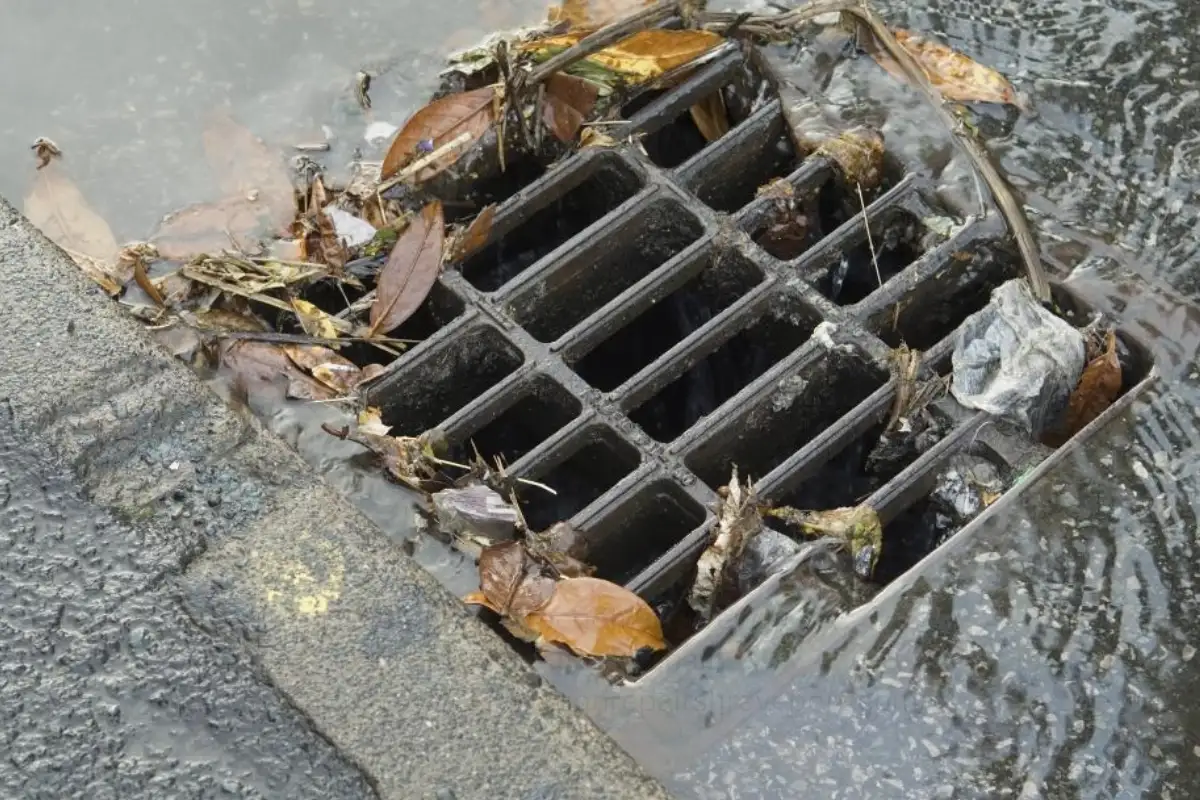
The number one cause, by a wide margin. Leaves, mulch, dirt, and silt wash into the well and pack into the gravel and drain pipe until water has nowhere to go. In neighborhoods with mature oaks — South Highlands, Broadmoor, older Bossier City — a well can clog solid in a few autumns. Digging out the old gravel, flushing or replacing the drain, and refilling with clean washed gravel usually solves it.
2. Missing or damaged well cover
An uncovered well collects every leaf, pine needle, and inch of rain that falls. A simple clear polycarbonate cover — sloped so water runs off away from the house — keeps debris out while still letting light in. It is the cheapest insurance a window well can have, usually under $100 per well, and it dramatically slows future clogging.
3. Grade sloping toward the house
Soil settles, mulch beds build up, and the yard that once shed water starts delivering it to your foundation. The fix is regrading so soil drops at least 6 inches in the first 10 feet from the house — a repair that prevents an outsized share of leaks, since our clay sheds water sideways instead of absorbing it.
4. Downspouts dumping at the foundation
A downspout ending two feet from the house can pour hundreds of gallons beside a window well in one storm. Extensions carrying roof water 6–10 feet away — or into a buried drain line — are cheap and transformative. Check yours.
5. Deteriorated window or well itself
Old wood window frames rot, metal wells rust through, and the seal between the well and the foundation wall opens up. If the well structure itself is failing, patching the drain will not hold — the well or the window needs replacement. A rusted-through steel well on a 1960s ranch in Cedar Grove is a replacement job, not a cleaning job.
DIY Fixes vs. When to Call a Professional
Plenty of window well problems are genuine weekend projects. Here is an honest split:
| Problem | DIY or Pro? | Typical Cost |
|---|---|---|
| Debris-clogged well, drain still works | DIY — scoop it out, add a cover | $30–$100 |
| Downspout too short | DIY — add an extension | $15–$50 |
| Minor grading issue | DIY — add soil, slope away | $50–$200 |
| Failed well drain (dig out and replace) | Pro recommended | $300–$800 |
| Rusted well or rotted window replacement | Pro | $500–$1,500 |
| Water entering at multiple points, not just the well | Pro — waterproofing assessment | Varies; inspection is free |
Start with the cheap fixes — clean the well, extend the downspout, check the grade. If the leak survives the next good rain, the problem runs deeper than debris, and a professional assessment pays for itself.
If you are tackling the interior side of the moisture too, our guide to waterproofing a basement wall from the inside covers what you can reasonably do yourself and where the DIY line ends.
When a Leaking Well Signals a Bigger Waterproofing Problem
Here is the part that matters most. A window well leak is sometimes just a window well leak — but sometimes it is the canary in the coal mine. Call for a professional assessment if you notice any of these:
- Water entering at the wall-floor joint elsewhere in the basement, not just at the window. That points to hydrostatic pressure pushing up under the slab — a drainage problem, not a well problem.
- Multiple wells leaking at once even though the drains look clear. That suggests the water table is high or the footing drain system has failed.
- Efflorescence or damp patches on foundation walls far from any window — white mineral crust or dark damp spots mean water is moving through the masonry itself.
- The well fills even in light rain, which can mean the surrounding soil is saturated and has nowhere left to send water — common on flat clay lots in Keithville and parts of Haughton after wet springs.
- Recurring leaks after you have fixed the well. If you cleaned the drain, added a cover, fixed the grade, and water still comes in, the source is below or behind the well, and it needs a waterproofing professional.
In those cases, the real fix is a basement waterproofing system: interior drain tile, a sump pump, and wall treatments that manage water before it reaches your living space. The EPA’s mold and moisture guidance makes the same point in official terms: lasting fixes control the water, not just the symptom. Our basement waterproofing services page explains the full system, and our article on exterior basement waterproofing membranes covers the outside-in approach for homes where excavation makes sense.
Preventing Window Well Leaks: A Seasonal Checklist
Louisiana weather gives window wells a workout — pine straw in the fall, deluges in the spring, and baking heat in between. A few minutes of maintenance each season prevents most leaks:
- Fall: Clear leaves and pine straw out of every well before the winter rains. Check that covers are seated and undamaged.
- Spring: Before storm season, verify downspout extensions are connected and discharging well away from the house. Our March–May downpours are the ultimate test.
- Summer: Check grading — our drought-then-deluge cycle shrinks clay soil away from the foundation in summer, opening gaps that later funnel water straight down the wall. Top up soil where it has pulled away.
- After any big storm: Walk the wells. If one held standing water for hours after the rain stopped, its drain is struggling — clean it now, not next season.
- Yearly: Inspect the wells themselves for rust, cracks, and separation from the foundation wall. Caulk small gaps; plan replacement for wells that are rusting through.
Homes on sloped lots around Cross Lake and the higher ground near Greenwood tend to fare better, since gravity helps. Flat lots in Bossier City and the low areas near the Red River need more vigilance — water has nowhere to go but against your foundation.
What Professional Window Well Drainage Repair Involves
When you call us for a leaking well, we inspect during or right after rain when possible — there is no better diagnostic than watching water move. We check the well drain, grade, downspouts, window, and the interior wall below for signs of bigger pressure problems.
A well-level fix usually takes a day: excavate the old gravel and failed drain, install a new drain in clean washed stone, reset or replace the well, seal the wall penetration, regrade, and fit a proper cover. If we find hydrostatic pressure or wall seepage beyond the well, we will show you exactly what we see and explain the waterproofing options with honest pricing and no pressure.
Pelican Foundation Repair serves Shreveport, Bossier City, and all our surrounding communities Monday–Saturday, 8:00 AM–6:00 PM. The inspection is free, the diagnosis is honest, and if the fix is a $40 downspout extension, we will tell you that instead of selling you a system you do not need. Call 318-585-2003.
Frequently Asked Questions
Why does my basement window well fill with water every time it rains?
Almost always because the well drain is clogged or has failed. Leaves, silt, and mulch pack into the gravel and drain pipe over the years until water cannot escape faster than rain fills the well. Cleaning out the well and replacing the drain with fresh washed gravel fixes the large majority of these cases.
Can I fix a leaking window well myself?
Often, yes — if the problem is debris, a short downspout, or minor grading. Scoop out the well, add a downspout extension, and slope soil away from the house. But if the drain itself has failed, the well is rusted through, or water keeps coming after those fixes, bring in a professional before the next big storm.
How much does window well drainage repair cost?
Simple fixes run $30–$200 in materials if you DIY. Professional well drain replacement typically costs $300–$800 per well, and well or window replacement runs $500–$1,500. If the leak turns out to be part of a larger waterproofing problem, an interior drainage system is a bigger investment — which is why a free professional diagnosis comes first.
Do window well covers really help?
Yes, enormously for the price. A clear polycarbonate cover keeps out the leaves and pine straw that clog drains while still admitting light, and it sheds rainfall away from the well. At under $100 per well, it is the best cheap prevention you can buy.
Should the window well drain connect to anything?
Ideally, yes. The best setups tie the well drain into the home’s footing drain or a dedicated drain line that carries water away from the foundation. A well that just drains into a gravel pit works only as long as the surrounding soil can absorb the water — on our heavy Louisiana clay, that is often not long.
My well is fine, but water still comes in around the window. What now?
Then the water is likely coming through or around the window unit itself — failed caulking, a rotted frame, or a gap between the well and the foundation wall. It can also mean hydrostatic pressure is pushing water through the wall near the window opening. Either way, it needs eyes on it: a free inspection will pin down the exact entry point.
How do I know if my leak is just the well or a bigger foundation problem?
A well-only problem leaks at the window and stops when the well is fixed. Warning signs of something bigger: water at the wall-floor joint elsewhere, damp foundation walls far from windows, multiple wells failing at once, or leaks that persist after the well drain is replaced. When in doubt, get the free inspection — guessing wrong is expensive.
How often should I clean out my window wells?
At least twice a year in our area — once in the fall after the leaves drop and once in the spring before storm season — plus a quick check after any major storm. Homes under mature pines or oaks may need quarterly cleanouts, since pine straw mats down fast and seals the drain surface.
Pelican Foundation Repair
6118 Fairfield Ave, Shreveport, LA 71106, USA
318-585-2003
https://foundationrepairshreveport.com/