 Skip to main content

Crawl Space Insulation Falling? What It Means & How to Fix It
Falling crawl space insulation usually means moisture got in. Learn why batts sag in Louisiana humidity, what it costs your home, and how professionals dry, remove, and fix it right.
When crawl space insulation falls, it means moisture has soaked the batts so they weigh too much for their staples and wire supports. The fix is to find and stop the moisture first, remove the ruined insulation, then rehang new batts or encapsulate the crawl space so it does not happen again.
Why Crawl Space Insulation Falls Down in the First Place
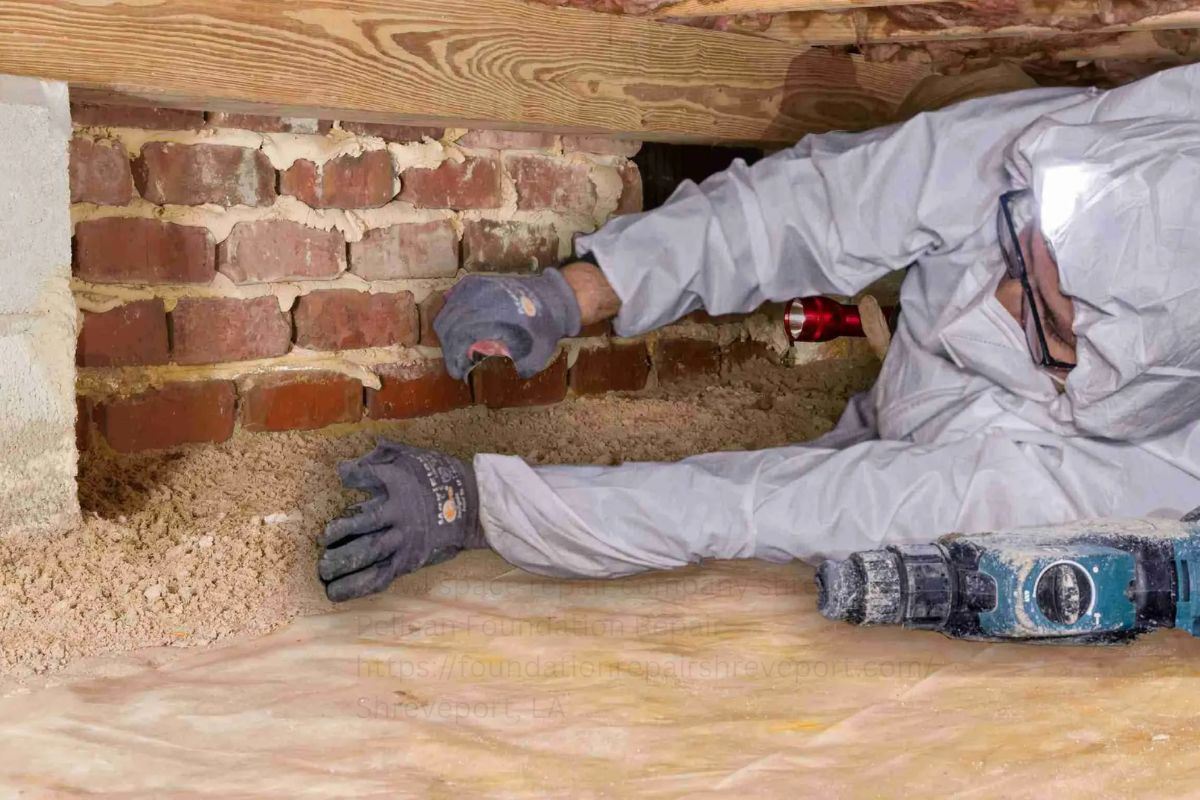
If you peeked into your crawl space in Broadmoor or South Highlands and saw pink batts hanging like wet laundry, you are looking at a symptom, not the disease. Fiberglass batts go in light and fluffy between the floor joists, held by staples, wire springs, or friction. Dry, they weigh almost nothing. But a Shreveport crawl space in August is about as humid as a place gets, and fiberglass is a sponge. Once the batts absorb enough moisture, they turn heavy and gravity does the rest — staples tear out of damp wood, wire hangers rust and snap, and whole sections drop to the ground.
Moisture Makes the Batts Too Heavy to Stay Up
Where does the moisture come from? In Caddo Parish, the list is long. Humid Gulf air drifts through vented crawl spaces all summer. Spring storms dump rain where the grading runs back toward the house. Condensation drips off cool ductwork straight into the batts below, and a slow plumbing drip can soak one bay of joists for months before anyone notices. Our local clay holds water against the foundation walls for days after a storm. Wet fiberglass can weigh several times what it weighed dry, and no staple gun was designed to hold that.
The Supports Were Never Built to Last
The way a lot of crawl space insulation gets installed sets it up to fail. Wire hangers rust through in a couple of damp seasons. Staples driven into damp sill plates work loose. Installers cut batts short, leaving gaps where condensation collects. Then raccoons and rats tunnel through the soft stuff, tearing it down as they nest. When insulation falls, it is almost always both causes at once — moisture made it heavy and the fasteners gave up. Fix only one half and you will be stapling it back up again next year.
Fallen vs. Failing: How to Tell Which Problem You Have
Not every bad batt needs to be ripped out, so it helps to know what you are looking at. Fallen insulation is obvious — it is hanging by threads, lying on the ground, or stuffed sideways between joists. Failing insulation can look fine from the doorway but be worthless up close. Here is how to read what you find:
- Compressed or matted batts: insulation works by trapping air. Once it is packed flat from moisture or weight, it barely insulates at all, even if it is still hanging in place.
- Dark staining or water lines: brown or gray streaks mean water has run through the batts, usually from a drip above or wicking from a wet sill plate.
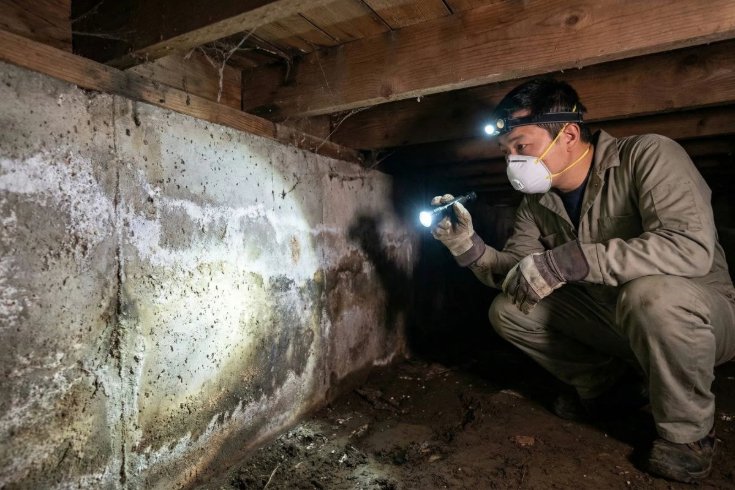
- Musty, earthy smell: trust your nose. A crawl space should smell like dirt, not like a wet basement. Mustiness usually means mold is growing in the insulation or on the joists behind it.
- Tunnels, droppings, or nesting: rodents shred batts for bedding. If you see shredded clumps and droppings, the insulation is both ruined and a pest attractant.
- Gaps at the edges: batts that shrank or slipped sideways leave open bays where outside air pours straight against your subfloor.
If the batts are just sagging but still dry, clean, and full-lofted, a proper rehang can save them. But if they are stained, compressed, moldy, or full of droppings, they have lost their insulating value and are feeding the moisture problem you need to solve.
What Sagging Insulation Is Doing to Your Home Right Now
Falling insulation looks like a cosmetic problem in a place nobody sees. It is not. The space under your floors drives a lot of what happens above them — your bills, your air, and your structure.
Your Energy Bills Climb
Wet, compressed batts lose most of their insulating power. In winter, cold air pours against your subfloor and your heater runs longer. In a Shreveport summer, hot humid air moves up through the floor and your AC fights it all day. Homeowners in Highland and Cedar Grove often say their floors feel cold or hot in spots, worst right above the damaged bays. Fixing the insulation pays for itself in comfort alone, and the lower bills are a bonus.
Your Indoor Air Gets Worse
Warm air rises, and your home constantly pulls air from below. A big share of first-floor air started out in the crawl space, carrying mold spores, dust, musty odors, and pest dander with it. Wet, moldy insulation becomes a reservoir of all of that, sitting right under your feet. If anyone in the house has allergies or asthma, a damp crawl space with ruined insulation is one of the first places to look.
Wood Rot and Pests Move In
Damp insulation pressed against floor joists keeps the wood wet, and wet wood in Louisiana invites rot and termites. Subterranean termites love damp, hidden wood they can work on undisturbed, and our part of the state has heavy termite pressure. Add raccoons and rats nesting in the soft batts, and the crawl space becomes a pest hotel. What started as sagging insulation can turn into joist repairs if it sits long enough. Catching it early is always cheaper.
How Professionals Fix Falling Crawl Space Insulation
The order matters more than anything. Rehanging insulation before fixing the moisture is like painting over a leak. A real fix follows five steps — skip any of them and you will redo the job in two years.
- Step 1 — Find and stop the moisture source. A pro checks grading, gutters, downspout discharge, plumbing, ductwork condensation, the vapor barrier, and foundation drainage. In 71106 and 71118 homes near Cross Lake, poor exterior drainage is the usual culprit; in older Highland houses it is often a slow plumbing drip nobody knew about.
- Step 2 — Pull out the ruined insulation and bag it. Everything stained, compressed, or moldy comes out and leaves the property. Working around bad batts just spreads mold spores and keeps the joists damp.
- Step 3 — Clean and treat the space. Joists and subfloor get cleaned, and any mold growth gets treated with an antimicrobial. This is also when wood rot gets assessed, because soft joists change the repair plan.
- Step 4 — Repair the moisture pathway. Depending on what step 1 found, this means a new sealed vapor barrier, grading or drainage corrections, downspout extensions, sealing vents, or adding a dehumidifier sized for the space. This step is the whole ballgame.
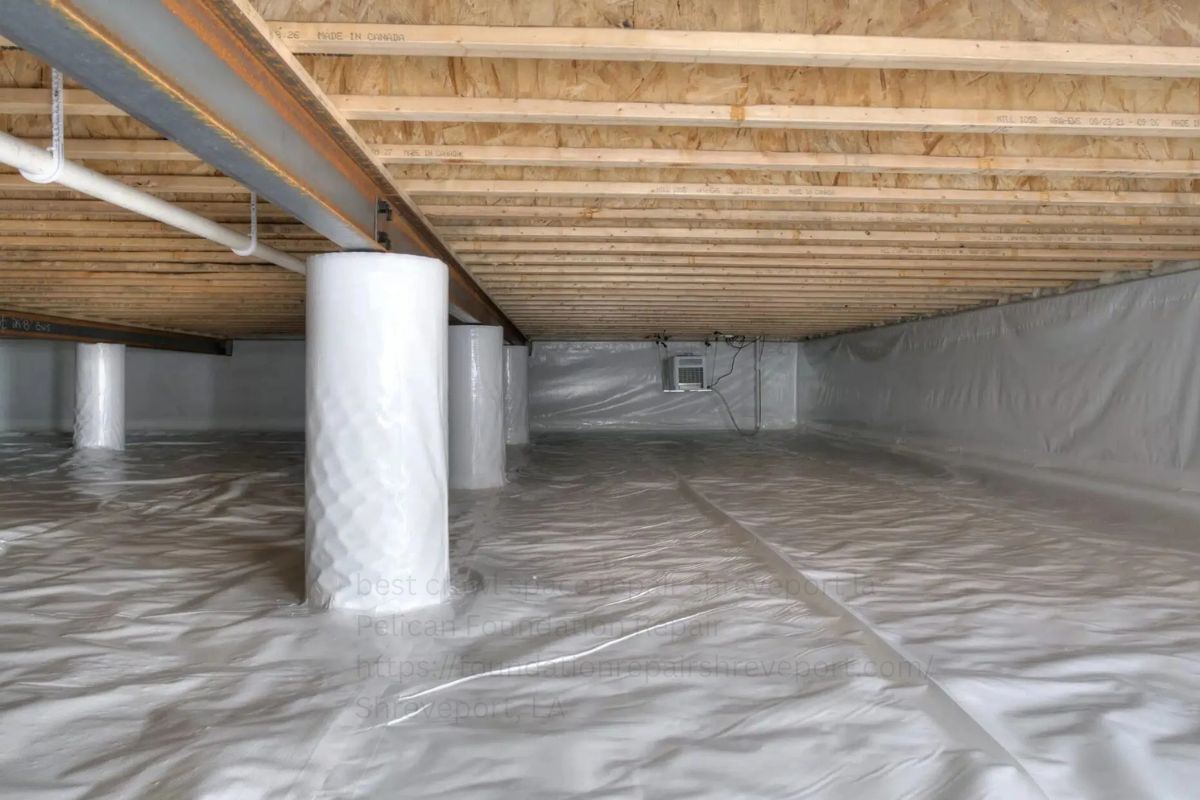
- Step 5 — Reinstall insulation correctly, or encapsulate. New batts go in full-lofted with proper supports, or the crawl space gets fully encapsulated with rigid foam on the walls and a sealed liner, which eliminates the falling-batt problem permanently.
If your crawl space shows other warning signs — standing water, sagging floors, a damp musty smell that never leaves — read our guide on how to know if your crawl space needs repair before you decide on insulation alone. And if moisture keeps coming back, our crawl space repair services cover the drainage and structural side of the fix, not just the insulation.
| Approach | Best For | Moisture Control | Typical Cost Range |
|---|---|---|---|
| Rehang fiberglass batts | Dry crawl spaces with a one-time cause, like a fixed plumbing leak | Depends on vapor barrier and drainage fixes done first | Lower end of the range |
| Full encapsulation | Humid crawl spaces, repeat moisture problems, vented designs | Sealed liner, sealed vents, conditioned air — the strongest option | Higher, but one-and-done |
What the Repair Costs and How Long It Takes
Every crawl space is different, so treat these as honest ranges, not quotes. Removing old insulation and rehanging new batts in an average Shreveport crawl space typically runs in the low thousands, depending on space size and moisture damage. Full encapsulation — sealed liner, sealed vents, wall insulation, and a dehumidifier — usually runs several thousand more, but it ends the cycle of repeat repairs. For the full breakdown on sizing and equipment, our crawl space dehumidifier guide walks through what these units do and when one makes sense.
| Service | Timeline | |
|---|---|---|
| Remove ruined batts | A few hundred to low thousands | Half to one day |
| Rehang new fiberglass batts | Low thousands | One to two days |
| Vapor barrier replacement | Low thousands | One day |
| Full encapsulation with dehumidifier | Mid to high thousands | Two to four days |
Moisture fixes done alongside the insulation — grading, drainage, downspout extensions — add to the total, but they are what keeps the new insulation on the joists. The LSU AgCenter publishes Louisiana-specific guidance on managing crawl space moisture in our climate, and the EPA’s mold resources explain why damp building materials should be removed rather than dried in place. Both are worth a read before you hire anyone, because an informed homeowner gets a better job. See our full foundation repair services, or start from the Pelican Foundation Repair homepage.
Frequently Asked Questions
Can I just staple the insulation back up myself?
You can, but it usually does not last. Stapling old, moisture-logged batts back into damp wood puts the same weak system back in place without fixing why it fell. If the batts are still dry and full-lofted, a careful rehang with proper wire supports can work temporarily. If they are stained, compressed, or moldy, they belong in a bag, not back on the joists. Either way, find the moisture source first or you will be doing it again.
How do I know if my crawl space insulation has mold in it?
Look for dark gray, green, or black discoloration on the batts, a persistent musty smell, and staining on the joists behind the insulation. Mold loves the paper facing on fiberglass batts. If the paper backing is spotted or the batts feel damp and clumpy, mold is very likely present. Do not tear moldy insulation out without a mask and gloves, and consider having a professional handle removal if the growth is widespread.
Does falling insulation mean my foundation is damaged?
Not necessarily, but they often share a cause. Both falling insulation and foundation movement can come from the same moisture problems — poor drainage, plumbing leaks, or groundwater against the foundation. Falling insulation alone does not mean your foundation is failing. But if you also see cracked walls, sticking doors, or sloping floors, get a foundation inspection along with the insulation work so nothing gets missed.
Will a dehumidifier stop my insulation from falling?
A dehumidifier helps a lot, but it is only one piece. It controls airborne humidity, which protects new insulation from absorbing moisture out of the air. It will not fix a plumbing leak, bad grading, or groundwater pushing through the walls. Think of it as the finishing step: fix the water source first, seal and insulate properly, then let the dehumidifier hold humidity steady so the job lasts.
What is crawl space encapsulation, and do I need it?
Encapsulation seals the crawl space with a heavy liner on the ground, sealed vents, and insulation on the walls instead of between the joists, often with a dehumidifier to condition the air. You need it when moisture problems keep coming back despite simpler fixes — standing water, repeat mold, or insulation that keeps falling. For a crawl space that is mostly dry with a one-time cause like a fixed leak, rehanging batts is usually enough.
How much does it cost to replace crawl space insulation in Shreveport?
Removing old batts and rehanging new ones typically runs in the low thousands for an average home, depending on crawl space size and moisture damage. A new vapor barrier adds to that, and full encapsulation with a dehumidifier usually runs several thousand more. Moisture fixes like drainage corrections are separate. Every space is different, which is why a free inspection with actual measurements beats any ballpark number you read online.
How fast can falling insulation get fixed?
Simple removal and rehang jobs usually take one to two days once the moisture source is handled. Encapsulation takes two to four days. The part that takes longest is often the diagnosis — finding whether the moisture comes from grading, plumbing, condensation, or groundwater. A proper inspection first means the crew shows up once and fixes it right instead of guessing.
Pelican Foundation Repair
6118 Fairfield Ave, Shreveport, LA 71106, USA
318-585-2003
https://foundationrepairshreveport.com/