 Skip to main content

Do You Need a Permit for Helical Piers in Louisiana?
Do you need a permit for helical piers in Louisiana? In most cases, yes. Helical pier installation is structural foundation work, and cities and parishes across northwest Louisiana — including Shreveport, Bossier City, and the unincorporated parts of Caddo and Bossier Parish — typically require a building permit before the work starts. A permit is the local government’s way of making sure the repair is designed and installed to code, and the inspection that comes with it protects you as much as it protects the city.
The short version: plan on needing a permit for helical piers, and plan on your contractor pulling it for you. A reputable foundation repair company handles the application, the paperwork, and the scheduled inspections as part of the job. If a contractor tells you permits are unnecessary for pier work, that is a red flag worth paying attention to.
Call (318) 585-2003 – Free Inspection
📊 Helical Pier Permits at a Glance
Usually required
Most residential pier jobs in northwest Louisiana need a permit
$100–$500
Typical permit fee range for pier work
1–2 inspections
Typical inspections before the job gets final approval
The Short Answer: Yes, Plan on Getting One
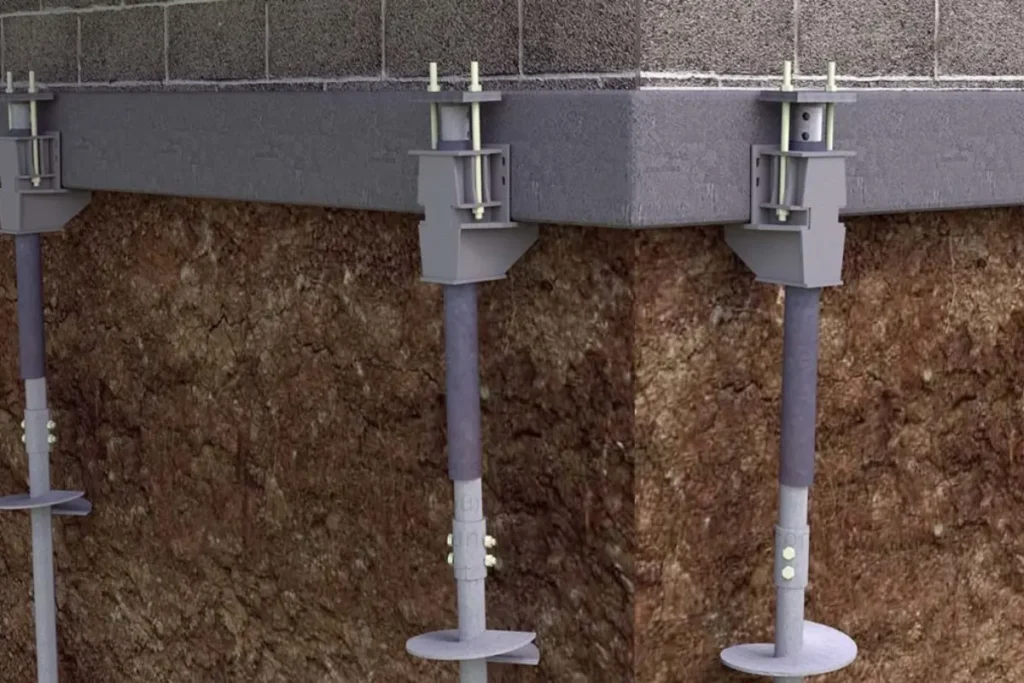
Helical piers change how your house is supported. That makes them structural work in the eyes of nearly every building department, and structural work needs a permit. This is not a Louisiana quirk — it is standard practice nationwide. Anytime you alter a home’s foundation system, the local jurisdiction wants a record of it and wants to verify the work meets code.
The good news is that the permit is almost never your problem to solve. Foundation repair companies that do pier work every week know exactly which office to visit, which forms to file, and which inspector to call. When you get quotes, ask each contractor directly: “Do you pull the permit, and is the fee included in your price?” The answer should be a clear yes. Our breakdown of helical pier installation cost explains how permit fees fit into the overall project price.
Why Louisiana Requires Permits for Helical Piers
Permits exist because foundation work is invisible once it is finished. After the crew backfills the excavations, nobody can see the piers, the brackets, or how deep they went. The permit and inspection process creates a paper trail proving the work was done to a standard — not just done.
Here is what the permit process is actually checking:
- The pier layout makes sense. The number and placement of piers should match the settlement the house is experiencing. A permit application typically includes a plan showing where each pier goes.
- The products are legitimate. Building departments want to see that the piers, brackets, and hardware meet recognized engineering standards, not improvised steel from a welding shop.
- Installation is verified. Many jurisdictions require torque documentation — a record of the rotational force on each pier — as proof that every pier reached load-bearing soil.
- Your home is documented. A permitted job goes on the property’s record. When you sell, the buyer’s inspector and the title company can see that structural work was done with approval.
Call (318) 585-2003 – Free Inspection
What the City of Shreveport Requires
If your home is inside Shreveport city limits, helical pier work goes through the city’s permit office. Foundation repair is classified as structural work, so the application typically asks for a description of the repair, the number and type of piers, the contractor’s information, and the property details. Some jobs also need a simple site plan showing where the piers will be installed around the house.
Shreveport’s inspectors are familiar with pier work — the expansive clay soils under neighborhoods like Highland, South Highlands, Broadmoor, and Southern Hills keep local contractors busy, so this is routine for the permit office. Turnaround is usually measured in days, not weeks, for a straightforward residential pier permit. Fees scale with the project value and generally land in the low hundreds of dollars.
One thing Shreveport homeowners sometimes overlook: if your pier project involves interior piers on a slab home, the permit may also cover the concrete cutting and restoration, since that disturbs the slab. Your contractor should list the full scope on the application so nothing gets flagged mid-job. A separate guide on whether foundation repair requires a permit in Shreveport covers how permits apply to other repair types beyond helical piers.
Caddo Parish, Bossier City, and Bossier Parish Rules
Outside Shreveport city limits, the rules depend on exactly where you sit. Unincorporated Caddo Parish has its own permitting process, and while it is generally simpler than the city’s, structural foundation work still needs approval. If your mailing address says Shreveport but you are technically in the parish, your contractor needs to file with the parish, not the city — filing with the wrong office is a common and avoidable delay.
Bossier City runs its own permit office with its own forms and fee schedule. The requirements are comparable: a description of the work, pier count and type, and contractor credentials. Bossier Parish handles the unincorporated areas around towns like Benton, Haughton, and Red Chute. In the fastest-growing parts of Bossier Parish, where new subdivisions sit on soils that are still settling, pier permits are a regular occurrence at the parish office.
Here is a rough comparison of what to expect across the metro area:
| Jurisdiction | Where to file | Typical fee range | Typical turnaround |
|---|---|---|---|
| City of Shreveport | City permit office | $150–$400 | A few business days |
| Unincorporated Caddo Parish | Parish permit office | $100–$300 | A few business days |
| Bossier City | City permit office | $150–$400 | A few business days |
| Unincorporated Bossier Parish | Parish permit office | $100–$300 | A few business days to a week |
Call (318) 585-2003 – Free Inspection
Who Pulls the Permit: Your Contractor or You?
The contractor pulls the permit. This is the industry standard, and it is how it should work. The company doing the work is the one responsible for the work, so the company should be the one whose name is on the permit application. When a contractor asks a homeowner to pull their own permit, it is often a sign the company is not properly licensed or does not want its name attached to the job — both serious red flags.
Here is what a legitimate contractor handles for you:
- Filling out and submitting the permit application with the correct jurisdiction
- Providing product documentation for the piers and brackets being installed
- Paying the permit fee (usually passed through to you as a line item, sometimes absorbed)
- Scheduling the required inspections at the right stages of the job
- Being present for inspections and addressing anything the inspector flags
- Closing out the permit with a final approval once the work passes
A closed-out permit with a final inspection sign-off is one of the documents you should keep with your house records permanently. It proves the work was done legally and to code, and it is exactly what a future buyer or their lender will want to see.
What the Permit Costs and How Long It Takes
For a typical residential helical pier job, the permit itself is one of the smallest line items on the invoice. Fees in the Shreveport metro generally run from around $100 to around $500, scaling with the size and declared value of the project. On a $15,000 pier job, the permit fee is usually two percent or less of the total — cheap insurance for the protection it provides.
What can stretch the timeline is everything around the permit: historic district review, an engineering requirement, or a backlog at the permit office during a busy season. When you are comparing quotes, ask each contractor how long they expect permitting to take for your specific address. A contractor who has worked in your neighborhood before will give you a realistic answer. The LSU AgCenter’s research on lsuagcenter.com explains why Louisiana’s expansive clay soils make foundation work — and the oversight that comes with it — so common here.
Call (318) 585-2003 – Free Inspection
The Inspections That Come With the Permit
A permit is not just paperwork — it buys you an independent set of eyes on the work. For helical pier jobs, jurisdictions in our area typically require one or two inspections, scheduled at specific stages:
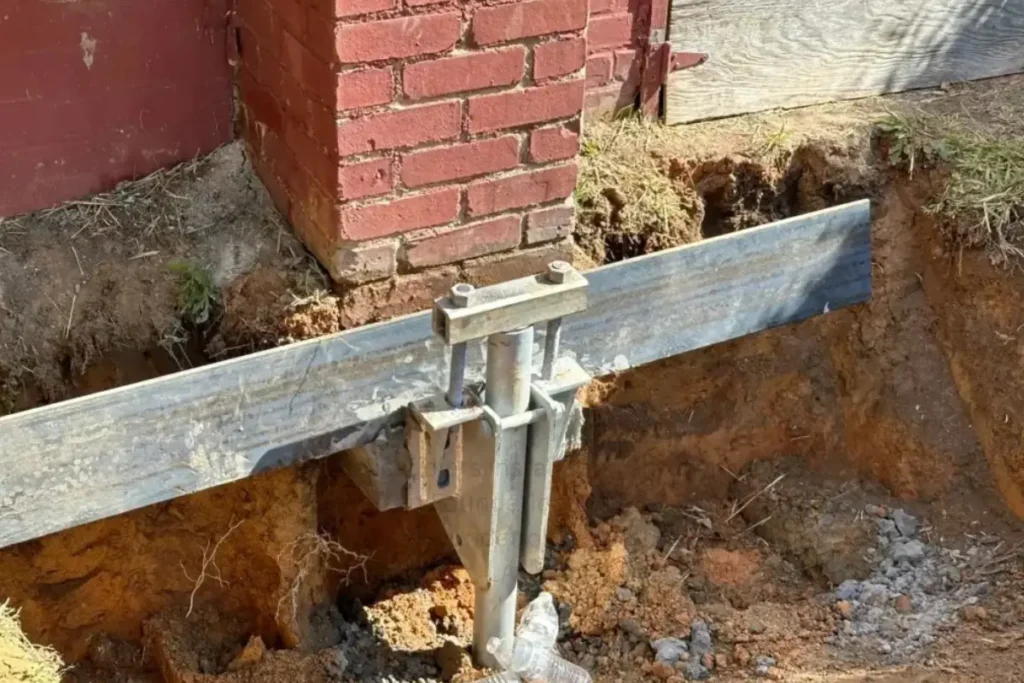
- Footing exposure inspection. After the crew excavates down to the footing but before piers are driven, the inspector may want to see the exposed foundation and the planned pier locations. This confirms the layout matches the approved plan.
- Installation and torque documentation review. The inspector checks that the installed piers match the approved products and reviews the torque readings recorded for each pier — the proof that every pier reached verified load-bearing soil.
- Final inspection. After backfill and cleanup, a final sign-off closes the permit. Some jurisdictions combine this with the installation review into a single visit.
These inspections are scheduled by your contractor, not by you. A good crew plans the job around inspection windows so the work never sits idle waiting for an inspector. If an inspector flags something — a bracket detail, a documentation gap — the contractor fixes it and calls for re-inspection. That is the system working as designed, and it is exactly why you want a permitted job: problems get caught while they are still easy to fix.
What Happens If You Skip the Permit
Skipping a permit might save a few hundred dollars and a few days. It can cost far more than that down the road. Here is what homeowners risk with unpermitted pier work:
- Stop-work orders. If the city discovers unpermitted structural work in progress — and neighbors do notice excavation crews — it can shut the job down until permits are pulled, often with penalties attached.
- Double fees. Most jurisdictions charge a penalty, often double the original permit fee, when you apply after the fact. Some require exposing finished work for inspection, which means re-digging.
- Resale problems. Unpermitted structural work shows up during buyer inspections and can delay or kill a sale. Lenders in Louisiana can and do require permit documentation for foundation repairs before funding a mortgage.
- Insurance complications. If a future claim touches the foundation area, an insurer may question unpermitted structural modifications. Permitted work with an inspection record removes that argument.
- No verification the work was done right. Without the inspection, you are trusting the contractor’s word alone. The permit inspection is the one independent check in the whole process.
Call (318) 585-2003 – Free Inspection
Frequently Asked Questions
Do I really need a permit for helical piers on my house in Shreveport?
In most cases, yes. The City of Shreveport treats helical pier installation as structural foundation work, which requires a building permit. Your contractor should pull the permit as part of the job and schedule the required inspections.
Who is responsible for pulling the permit, me or the contractor?
The contractor. A legitimate foundation repair company applies for the permit in its own name, pays the fee, and schedules inspections. If a contractor asks you to pull the permit yourself, treat it as a red flag.
How much does a helical pier permit cost in Louisiana?
Permit fees in the Shreveport metro area typically range from about $100 to $500, scaling with the size and value of the project. On most residential pier jobs, the fee is a small fraction of the total project cost.
How long does it take to get a pier permit approved?
A straightforward residential application is usually approved within a few business days in Shreveport, Bossier City, and Caddo and Bossier Parish. Incomplete applications, historic district review, or an engineering requirement can add time.
What inspections are required for helical pier work?
Most jurisdictions require one or two inspections: a check of the exposed footing and pier layout before or during installation, a review of the torque documentation proving each pier reached bearing soil, and a final sign-off to close the permit.
What happens if my contractor did pier work without a permit?
You can usually apply for an after-the-fact permit, but expect penalty fees — often double the normal fee — and the inspector may require exposing finished work for verification. Unpermitted structural work can also complicate a future home sale or insurance claim.
Call (318) 585-2003 – Free Inspection
Get a Free Foundation Inspection in Shreveport
Permits, paperwork, and inspections should be the easiest part of your foundation repair — because your contractor handles all of it. Our free inspection includes elevation readings, a pier layout if your home needs piers, and a written quote that spells out exactly what the permit process looks like for your address.
Call Pelican Foundation Repair at (318) 585-2003, or visit Pelican Foundation Repair to schedule. We serve Shreveport and the surrounding areas — see our full service area list — and you can browse all of our foundation repair services to compare your options.
Pelican Foundation Repair 6118 Fairfield Ave, Shreveport, LA 71106, USA 318-585-2003 https://foundationrepairshreveport.com/