Foundation Repair for Rental Properties in Shreveport, LA: A Landlord’s Guide
Landlords in Shreveport face a quiet risk: tenants live with small foundation signs for months, and this guide shows what to watch and when to act.
Foundation repair for rental properties in Shreveport starts with an expert inspection, a clear record of what was found, and repairs timed between tenancies when you can. That order keeps tenants safe, protects the house, and gives you paperwork you can show a buyer later.
Tenant-Reported Signs Landlords Miss in Shreveport Rentals
Tenants are your early warning system, but only if they know what to report and you take the report seriously. Most foundation trouble shows up first as a small daily annoyance: a door that needs a hip check to close, or a floor that feels uneven near the hallway.
Doors, Windows, and Floors That Tell the Story
Sticking doors and windows are the most common tenant complaint tied to foundation movement, and the most often brushed aside. Wood swells in humidity, so one sticky door in a wet week means little on its own. Watch for a door that sticks in the same corner, season after season, or several doors that all start sticking at once.
Cracks Tenants Learn to Live With
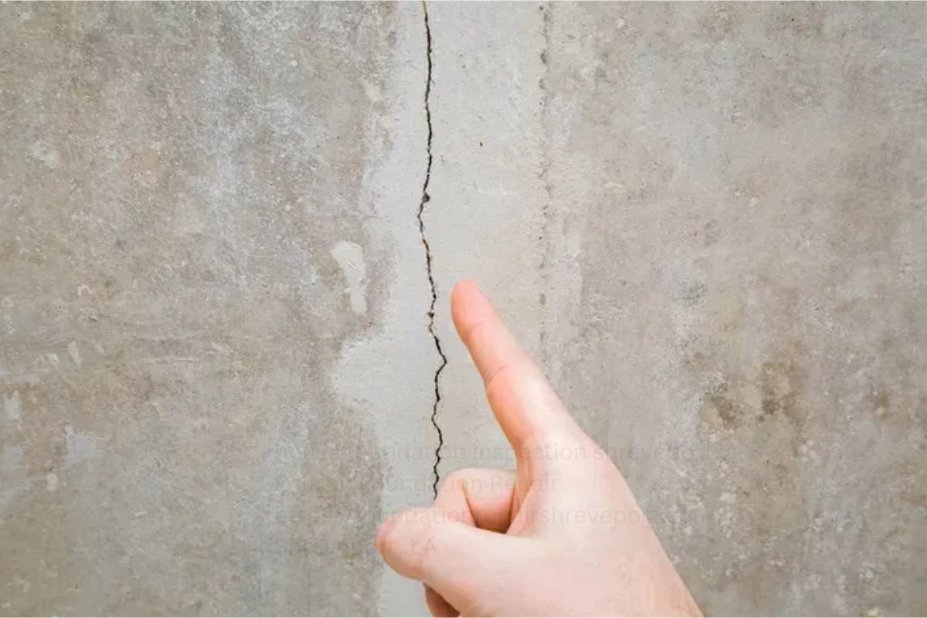
Tenants learn to live with cracks because cracks look normal in an older house. A thin hairline crack in drywall is often just seasonal movement, and most houses in South Highlands and Broadmoor have a few. The cracks that deserve a closer look are the ones that grow, return after patching, or run in a stair-step pattern through brick outside. A musty smell from the crawl space is another report to take seriously.
- Doors or windows that stick in the same place.
- Cracks that grow, return after patching, or run in a stair-step pattern.
- Floors that slope, bounce, or feel uneven underfoot.
- Gaps where walls meet ceilings, or where trim has pulled away from the wall.
- A musty smell from the crawl space that does not go away after cleaning.
- Water pooling near the foundation after rain, or damp spots on interior walls.
- The same problem keeps coming back after a quick fix.
Why Shreveport Soil Is Hard on Rental Houses
Shreveport sits on expansive clay soil, and that soil is the main reason rental houses here need more foundation attention than the same house would need in a drier place. Expansive clay swells when it soaks up water and shrinks when it dries out. It does both in the same year.
Expansive Clay, Wet Winters, and Hot Summers
Shreveport winters bring steady rain that keeps the clay wet for weeks, and summers bring heat that dries the top layer of soil hard. A house with poor drainage sits in that swing all year, and the swing is what cracks walls and shifts floors. The National Weather Service office in Shreveport posts local rain and drought updates, and that swing is a good time to check a rental. See the National Weather Service Shreveport page for current local conditions. Older houses in Highland, Cedar Grove, and Queensborough feel this hardest.
When to Book an Expert Inspection for a Rental
Timing is where landlords save the most trouble. The best time to inspect a rental is when it is empty, between one tenant leaving and the next moving in. The house is open, and a specialist can look under the house and around the foundation without working around furniture.
Between Tenancies Is the Best Window
Book the inspection as soon as the old tenant gives notice, not after the new tenant signs, so you have time to get the written findings, get a written estimate, and schedule repairs before move-in day. Add foundation items to your turnover checklist: open and close every door and window, look for new cracks, and walk the full perimeter. Then book an expert foundation inspection so a specialist can check the places you cannot see, such as the crawl space and the piers under the house.
Before You Buy Another Rental
An inspection before you buy is just as important as one between tenancies. A rental that looks solid on a quick walk-through can hide a sloping floor under carpet, a patched crack behind fresh paint, or a crawl space with standing water. Before you close on a house in Shreveport, Bossier City, or Haughton, get an expert inspection and ask for the findings in writing. That information belongs in your offer math, so you know about the work before you sign.
What to Tell Tenants Before and During Repair Work
Tenants handle repair work far better when they know what is coming. Tell them early, in writing, what work is planned, when it will happen, and how long it should take. Name the rooms the crew will need to reach, whether water or power will be off for a short time, and who to call if something comes up. A short note beats a surprise knock on the door.
Set Clear Expectations in Writing
Put the plan in a short written notice: the start date, the expected finish date, the work hours, and the contact name and phone number for the crew lead. Some noise, some dust, and some vibration are normal when piers are installed or a house is lifted, and cracks that were already there may look wider for a day while the house moves back toward level. If a tenant sees something that worries them, they should call you or the crew lead right away. For houses that need the floor brought back toward level, the house leveling service page explains how that work is approached.
Repair Now or Disclose Later: What Protects the Sale
Every landlord reaches this choice at some point: repair the foundation now, or sell the house with the problem disclosed and let the buyer deal with it. Both paths are real, but they do not lead to the same result. Repairing now protects the rent roll first: a house with sticking doors and cracks that keep growing is harder to rent and harder to keep rented. Tenants leave faster when the house feels uncared for.
How Buyers Read a Foundation History
Disclosure still matters even after a repair. Louisiana sellers must disclose known defects, and a past foundation problem is a fact a buyer should know about. The difference is what you disclose: a repaired problem with a written inspection report, a written estimate, photos of the work, and a 20-year structural warranty on qualifying repairs reads very differently from an open problem with no records. Buyers and their inspectors will find the history one way or another, and a buyer who sees repair records next to the inspection notes can see the problem was found, fixed, and documented. Our guide to foundation repair and home resale covers how buyers weigh repair records, and the companion post on selling a house with foundation problems explains the disclosure side in more detail.
How Documented Repairs Protect Your Rent Roll
A rent roll is only as strong as the houses behind it. One problem house can sit empty, turn over tenants, or sell for less than the others. Documented repairs break that cycle by turning a problem house back into a steady house. Start with a simple file for each property, in date order: inspection reports, written estimates, invoices, before and after photos, and warranty paperwork.
| Situation | What to do | Why it helps |
|---|---|---|
| Tenant reports a sticking door or a new crack | Ask for a photo and a date, then book an expert inspection | A dated report turns a complaint into a record |
| House sits empty between tenancies | Walk the house, then schedule repairs before the next move-in | Empty-house work is faster and easier to document |
| Repair work is finished | File the report, invoice, photos, and warranty paperwork together | One file serves tenants, lenders, insurers, and future buyers |
| You plan to sell within a year or two | Repair the problem now and keep the full record for disclosure | A repaired problem with paperwork sells better than an open problem |
Paperwork That Pays Off at Sale and Renewal
The payoff shows up at renewal time too. A tenant who has lived in a house that was inspected, repaired, and looked after is more likely to renew than a tenant who reported a problem and heard nothing back. Renewals save you cleaning, advertising, and a vacant month. Lenders notice the same thing: a documented house is easier to value and finance than one with an open question. See our post on what home inspectors miss on foundations for the signs a buyer inspector will look for, so you can find them first.
Urgent Problems vs Problems You Can Monitor
Not every foundation sign needs a crew this week. Some need one now, and some need a note in the file and a recheck in a few months. Call a specialist right away when a tenant reports a sudden change: a door that worked yesterday and will not close today, a crack that appeared overnight after heavy rain, or water coming into the house through a foundation crack. Start with the Pelican Foundation Repair homepage to see the full range of inspection and repair services.
Monitor, with a written note and a date, when the sign is small, stable, and slow. A hairline crack that has not changed in a year, a door that sticks only in the wettest weeks, or a floor that slopes slightly but has not moved since the last inspection can all be watched. Take a photo, note the date, and check it again in three to six months. If it has grown, move it to the call-now list.
- Call now: a sudden crack, a door that will not close overnight, water through a crack, a leaning wall, or a sagging ceiling.
- Call now: a chimney pulling away from the house, or a floor that dropped suddenly underfoot.
- Monitor: a hairline crack that has not changed, a door that sticks only in wet weeks, or a slight slope that is stable.
- Monitor: a musty smell that comes and goes with the seasons, with a recheck after the next heavy rain.
- Always: keep a dated photo and a short note for every sign, whether you call now or monitor it.
Frequently Asked Questions
How often should a landlord get a foundation inspection for a rental in Shreveport?
Book an expert inspection between tenancies, and at least once a year for older rentals or houses that have shown foundation signs before. A house with a history of cracks or settling deserves a yearly look even when the tenant reports nothing.
What foundation signs should tenants report right away?
Tenants should report sticking doors or windows, new or growing cracks, sloping or bouncy floors, gaps at the ceiling line, and musty smells from the crawl space. Ask for a photo and a date with every report, and keep the notes in the property file.
Can tenants stay in the house during foundation repair work?
Often yes, because most foundation work happens outside or under the house. The crew will tell you if a room must stay clear or if water or power will be off for a short time. Give tenants the plan in writing, with dates, work hours, and a contact name.
Does foundation repair help when I sell a rental property?
Yes, when the repair is documented. A written inspection report, a written estimate, before and after photos, and warranty paperwork show a buyer the problem was found and fixed. That record sells better than an open problem with no paperwork.
Will my insurance cover foundation repair on a rental house in Louisiana?
Usually not for wear, age, or soil movement, which many policies treat as maintenance. A sudden covered event, such as damage from a fallen tree, may be different. Check your own policy wording and talk with your insurer before assuming a repair is covered.
How much does foundation repair cost for a rental property in Shreveport?
The cost depends on the cause, the repair method, and the size of the house. Soil movement, pier work, and leveling all change the scope of the job. Your exact cost comes from a written estimate after an expert inspection of your rental.
What should I do first if a tenant reports a new crack or a sticking door?
Ask the tenant for a photo and a date, write the report down, and book an expert inspection. A dated photo and a written report turn a tenant complaint into a clear record, and the inspection tells you whether to repair now or monitor the sign.
Pelican Foundation Repair
6118 Fairfield Ave, Shreveport, LA 71106, USA
318-585-2003
https://foundationrepairshreveport.com/