 Skip to main content
House Leveling Cost in Shreveport, LA
How much does house leveling cost in Shreveport, LA? Typically $3,500–$15,000+, depending on how many piers your home needs, the foundation type, and how much lift is required. A small pier-and-beam adjustment can fall below that range, while settlement across a large slab home can exceed it. Inspections are free, so you never pay to find out what yours costs.
Most Shreveport leveling jobs land between $3,500 and $15,000+. Pier count is the biggest price driver — and every legitimate quote starts with a free inspection.
Call (318) 585-2003 – Free Inspection
📊 House Leveling Cost at a Glance
$3,500–$15,000+
Typical leveling range
2–4 days
Most leveling jobs
20-year
Structural warranty
What Is House Leveling, Exactly?
Leveling is the process of bringing a settled home back to as close to level as possible. It doesn’t mean making the house perfectly level like a brand-new build. It means correcting the sinking so floors are even, doors close, and the structure is stable again.
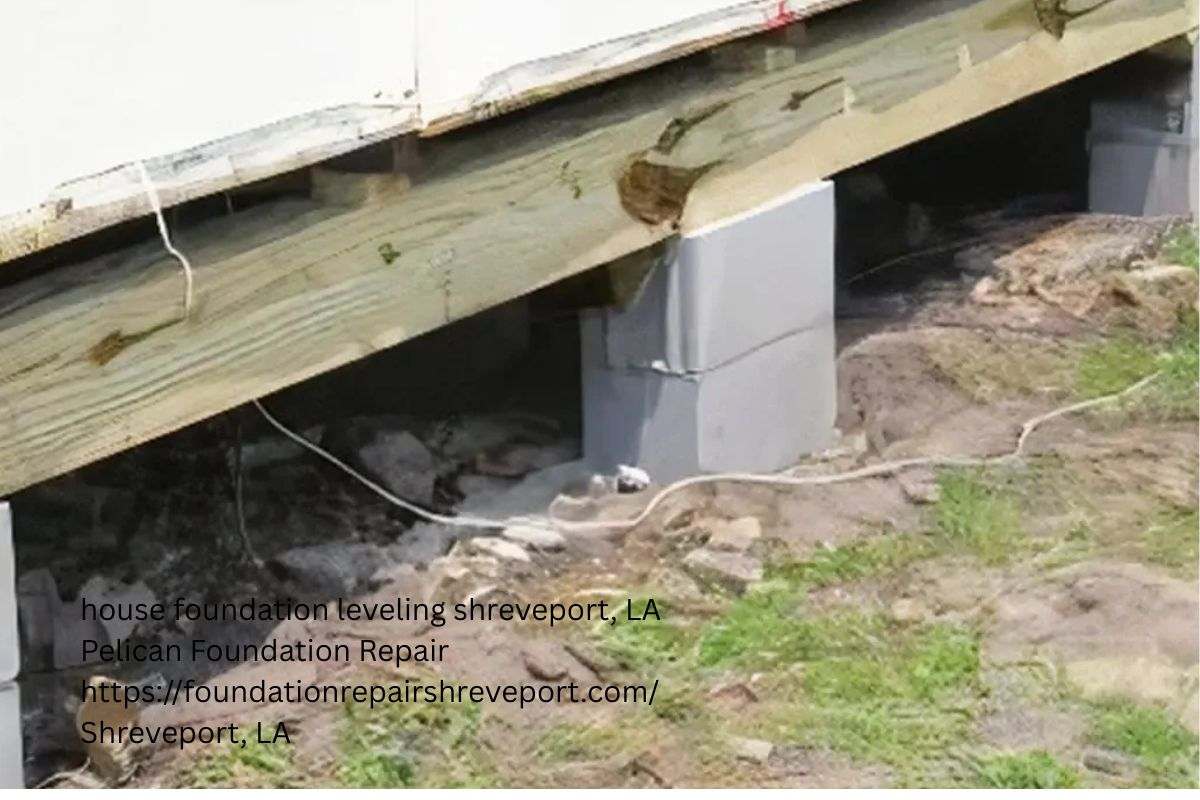
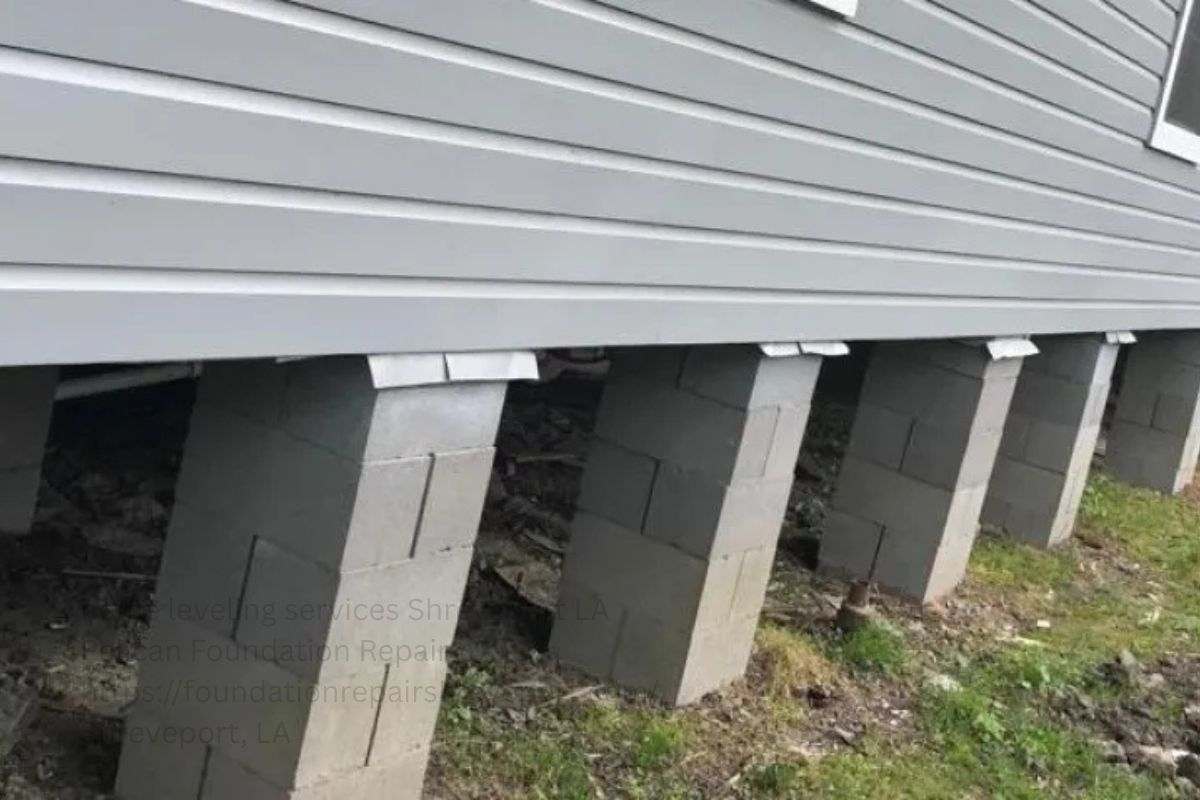
The work is almost always done with piers. On pier-and-beam homes, the crew re-shims or replaces the support piers under the house and raises the low areas with hydraulic jacks. On slab homes, steel piers are driven down alongside or through the slab into load-bearing soil, then used to lift the settled sections back up.
In the Shreveport area, most leveling jobs exist because of our soil. North Louisiana sits on expansive clay that swells when it’s wet and shrinks when it’s dry. After a rainy spring followed by a brutal summer drought — the exact pattern we get here year after year — that clay pulls away from the foundation and the house sinks into the gap. Repeat that cycle for a decade and your floor starts to tell the story.
That’s what leveling corrects. It’s a structural fix, not a cosmetic one. New doors and fresh paint won’t help if the foundation underneath keeps moving.
How Much Does House Leveling Cost in Shreveport, LA?
Most residential leveling jobs in the Shreveport area fall between $3,500 and $15,000 or more. That’s the honest bracket for a full pier job across Caddo and Bossier parishes, and it covers the majority of homes we see — from older pier-and-beam houses in Highland and South Highlands to slab homes out toward Ellerbe and the I-49 corridor.
Where you land in that range comes down to scope. A smaller pier-and-beam home that needs a handful of piers re-shimmed can come in near the bottom of the range, or even below it for a simple adjustment. A two-story brick home on a slab that needs piers installed around three sides of the perimeter will land toward the top.
What matters more than any number on a chart is how your contractor arrives at the price. Every real quote should start with an elevation survey — measurements taken at dozens of points around and under the house that show exactly where the home has settled and by how much. A contractor who quotes you a firm price over the phone without ever stepping onto your property isn’t quoting your house. They’re guessing.
Our foundation inspections are always free, and they include those elevation readings. You get an actual map of your home’s settlement before anyone talks about money. That’s the only way a leveling quote means anything.
Call (318) 585-2003 – Free Inspection
What Drives the Price of a Leveling Job?
Two homes with the same square footage can have leveling quotes thousands of dollars apart. Here’s why.
How Many Piers Your Home Needs
Pier count is the single biggest cost driver. Every pier means an excavation, a pier driven to depth, a bracket, and a jack to lift against. A corner of a house that settled an inch might need four to six piers. A full perimeter job can need twenty or more. The elevation survey tells the crew exactly where support is missing, and each additional pier adds labor and materials.
Interior vs. Exterior Work
Exterior piers are straightforward: dig a hole next to the foundation, drive the pier, lift, backfill. Interior piers — needed when the middle of a slab has settled — are a different job entirely. The crew has to open the floor, work inside your home, and deal with what’s underneath. That added complexity is one of the fastest ways a quote climbs.
Foundation Type
Pier-and-beam homes are generally less expensive to level than slab homes. The crew can crawl underneath and work directly on the support system. Slab homes require driving steel piers deep into the ground and lifting the whole slab, which takes heavier equipment and more time. If your Shreveport home is an older pier-and-beam house — common in neighborhoods like Highland and Broadmoor — that’s actually good news for your budget.
Plumbing and Utilities Under the House
On slab homes, lifting the foundation moves everything attached to it, including drain lines. Old cast-iron or clay plumbing under a settled slab is often already stressed, and the lift can finish the job. A responsible crew pressure-tests or camera-inspects the plumbing before and after the lift. If pipes need repair, that work adds to the total. It’s not upselling — it’s what happens when you raise a house that’s been sitting crooked for years.
Access, Soil, and House Size
Tight access along one side of the house, a heavy two-story brick home, and our local soil conditions all play a role. Digging in Caddo Parish clay in August means cutting through soil that’s hard as brick. In April, that same soil comes up in heavy, slick slabs that stick to everything. Either way, the excavation takes time. Larger, heavier homes need more piers and more lifting force, which means more of everything.
Slab vs. Pier and Beam: Leveling Costs Compared
Shreveport has both foundation types in large numbers, and they level very differently.
Pier-and-beam leveling is the more common job in the older parts of town. The crew gets into the crawl space, evaluates every pier, replaces what’s failed, re-shims what’s shifted, and jacks the beams back to level. Because the support system is accessible, the work is faster and usually lands at the lower end of the cost range. Our detailed pier and beam foundation repair cost breakdown walks through what that work involves.
Slab leveling costs more because the work happens in the ground. Steel piers have to be driven through the soil to reach load-bearing strata — the dense layer deep below the shifting clay — and then the slab is lifted with hydraulic jacks. When the interior of the slab has settled, interior piers add significant cost. If you’re weighing your options, a contractor experienced with both foundation types can tell you which approach your home needs.
The soil doesn’t care which foundation you have, by the way. The same expansive clay that drops a pier-and-beam home in Blanchard will crack a slab in Bossier City. LSU AgCenter’s overview of Louisiana soils explains how our heavy clay soils swell when wet and crack open when dry, which is exactly the cycle that moves houses here.
Call (318) 585-2003 – Free Inspection
What a Leveling Job Looks Like, Step by Step
Homeowners are often surprised by how methodical the process is. Here’s what actually happens on site.
The inspection comes first. A proper inspection takes a full walkthrough of the home’s interior and exterior, plus elevation readings taken with a precision level or manometer at dozens of points. The result is a settlement map showing where the house has dropped and by how much — sometimes down to fractions of an inch. This is the document the whole job plan is built from.
Then comes the plan. The crew maps out pier placement: which piers carry the most load, which areas need the most lift, and where the lift needs to happen slowly to avoid stressing the structure. On a brick home, lifting too fast can crack mortar and pop drywall seams. The plan sets the order and pace.
Excavation is next. Along the exterior, the crew hand-digs to the footing — usually about three feet down — at each pier location. Where access allows, a compact excavator speeds things up, but along most Shreveport homes it’s shovel work. You learn a lot about a house at this stage: the soil tells you how much it’s moved, and the footing tells you how the original builder handled it.
Piers are driven to refusal. Steel push piers are hydraulically driven down until they hit load-bearing strata — the point where the soil stops giving and the pier physically can’t go deeper. That depth varies across the metro area. Some homes hit solid bearing at twelve feet; others take twenty-five. The crew watches the pressure gauge on every pier, because that number is what proves the pier will hold.
The lift is synchronized and slow. Hydraulic jacks on all the piers are raised together, a little at a time, while the crew watches doors, cracks, and the elevation readings. Most residential lifts are completed in a single day once the piers are in. The goal is maximum practical recovery — getting the house back to level without forcing it past what the structure will comfortably take.
Then shimming, backfill, and cleanup. The final elevation is locked in with steel shims, the excavations are backfilled and compacted, and the site is cleaned up. The crew does a final walkthrough with elevation readings to document the result.

Signs Your Shreveport Home May Need Leveling
You don’t need special equipment to spot the early signs. Walk through your home and look for these:
- Floors that slope or feel bouncy. Roll a marble across the room — if it consistently heads the same direction, that floor has dropped.
- Doors and windows that stick, rub, or won’t latch, especially ones that used to work fine.
- Cracks in drywall above doors and windows, or stair-step cracks in exterior brick.
- Gaps between the baseboard and the floor, or between the wall and the ceiling.
- On pier-and-beam homes: a musty crawl space, sagging spots in the floor, or visible leaning piers if you peek underneath.
One thing worth knowing: homes near Cross Lake and along the Red River sit on ground with a higher water table, which means more moisture cycling under the foundation. If you’re in one of those areas — or anywhere with big trees close to the house pulling moisture out of the clay — pay closer attention. Tree roots can dry out expansive clay unevenly and drop one corner of a house while the rest stays put.
Call (318) 585-2003 – Free Inspection
House Leveling vs. Foundation Repair: What’s the Difference?
The terms get used interchangeably, and honestly, they overlap. Here’s the simple version.
Leveling is about position: bringing a settled home back up to level. Foundation repair is about stability: fixing the underlying problem so the home stops moving. In practice, most leveling jobs use foundation repair methods — steel piers, re-shimming, beam replacement — to do the lifting.
Think of it this way: if your house has sunk two inches on one side, leveling describes the goal and foundation repair describes the work. When a contractor talks about one, they’re usually talking about both.
If you want the full picture on pricing for the broader category of work, our foundation repair cost guide for Shreveport, LA breaks it down by method. And for homes on concrete slabs specifically, our slab foundation repair team handles the pier work that does the actual lifting.
Frequently Asked Questions
How much does house leveling cost in Shreveport, LA?
Most residential jobs run $3,500–$15,000+, driven mainly by how many piers your home needs and whether the work is interior or exterior. Smaller pier-and-beam adjustments can cost less. Every legitimate quote starts with a free inspection and elevation survey.
Where can I get a free house leveling estimate in Shreveport, LA?
Pelican Foundation Repair offers free foundation inspections across Shreveport and the surrounding areas, including Blanchard, Bossier City, and Keithville. The inspection includes elevation readings and a written plan, and there’s no obligation. Call (318) 585-2003 to schedule.
How do I know if my house needs leveling or just minor shimming?
It comes down to the elevation survey. If the measurements show settlement of an inch or more across a large area, leveling with piers is usually the answer. If the readings show small, isolated low spots — common in pier-and-beam crawl spaces — targeted re-shimming may be enough. You can’t tell by looking; you need the numbers.
Can you live in your house during house leveling?
Yes, in most cases. Exterior pier work happens entirely outside, and the lift itself is completed in a single day. Interior pier work is more disruptive since the crew works inside the home, but most families stay put. Your contractor should tell you upfront what to expect day by day.
How long does house leveling last?
A leveling job done with steel piers driven to load-bearing strata is a permanent correction — the piers are anchored below the shifting clay, so seasonal soil movement doesn’t reach them. Re-shimming alone doesn’t address the soil, so it may need attention again down the road. Our qualifying repairs carry a 20-year structural warranty.
What time of year is best for house leveling in Shreveport?
The work can be done year-round, but drier months make excavation easier. Digging in Caddo Parish clay after a spring storm is slow, heavy work. That said, waiting through another wet-dry cycle usually makes settlement worse, not better. If your house is moving, sooner beats the calendar.
How much does foundation repair cost per pier?
There is no honest flat per-pier price — pier count, depth to bearing soil, and interior versus exterior access all change the number. That is why leveling and pier work are quoted as complete projects, typically $3,500–$15,000+ in the Shreveport area, rather than per pier. A per-pier price quoted without an inspection and elevation survey is meaningless, because nobody knows how deep the piers must go until they are on your soil.
Call (318) 585-2003 – Free Inspection
Get a Free House Leveling Inspection in Shreveport
If your floors slope, your doors stick, or you just have a feeling the house isn’t sitting right, don’t guess. A free inspection gives you real elevation readings, a plain-English explanation of what’s happening, and an honest price for fixing it — no obligation, no pressure.
Call Pelican Foundation Repair at (318) 585-2003, or visit Pelican Foundation Repair to schedule. We serve Shreveport and the surrounding areas, including Blanchard, LA. Learn more about our house leveling services and what to expect.
Pelican Foundation Repair
6118 Fairfield Ave, Shreveport, LA 71106, USA
318-585-2003
https://foundationrepairshreveport.com/