Skip to main content

How Long Does Crawl Space Encapsulation Last?
A quality crawl space encapsulation lasts 15 to 25 years in Shreveport with basic maintenance. This guide covers what wears it down, how to extend it, and failure warning signs.
How long does crawl space encapsulation last? For most Shreveport homes, a professionally installed system lasts 15 to 25 years. The heavy liner itself can go even longer, but the dehumidifier, sump pump, and seam seals usually need attention or replacement somewhere in that window. Your maintenance habits matter as much as the materials.
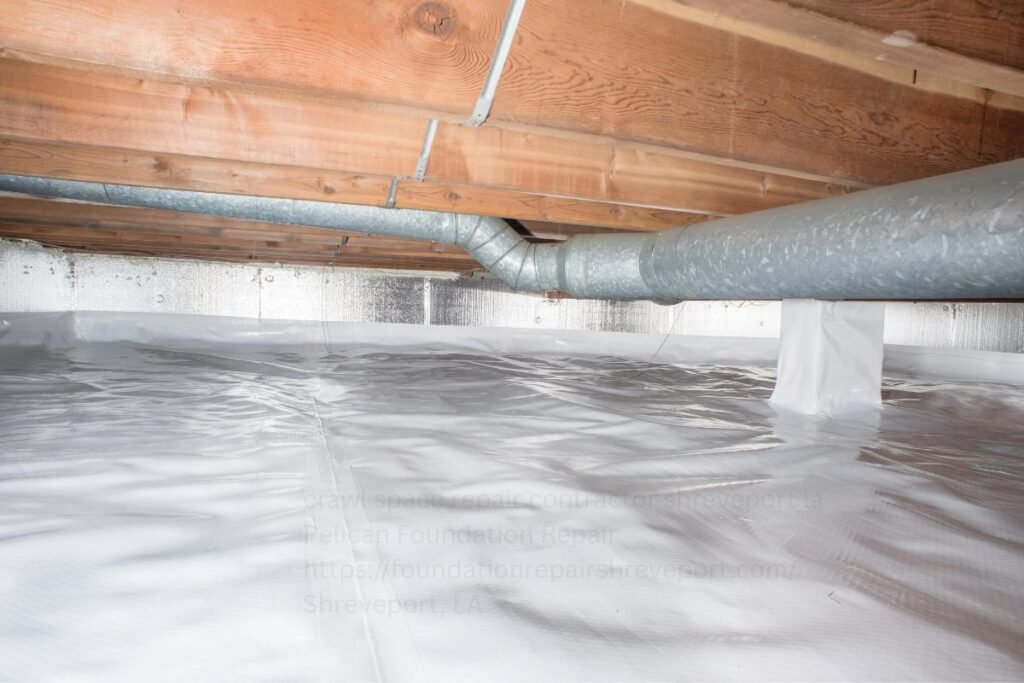
That 15-to-25-year range is real, but it is not automatic. An encapsulation is a system, not a single product: liner, sealed vents, taped seams, a dehumidifier, and often a sump pump, all working together to keep ground moisture and humid air out of your crawl space. The liner might outlive the dehumidifier twice over. Understanding which parts wear out — and what kills them early in northwest Louisiana’s climate — is how you get the full lifespan instead of half of it.
What “Lasts” Means: Each Part Has Its Own Clock
When homeowners ask how long does crawl space encapsulation last, they usually mean the whole system. But the system is five or six components with different lifespans, and the weakest one sets the real number. Here is how the parts break down:
| Component | Typical Lifespan | What Wears It Out |
|---|---|---|
| Vapor barrier liner (20-mil) | 20–30 years | Punctures, pest damage, flooding that lifts or shifts it |
| Seam tape and sealed vents | 10–20 years | Heat, humidity, and age breaking down adhesives |
| Crawl space dehumidifier | 7–12 years | Continuous runtime in high humidity, clogged filters, drain issues |
| Sump pump | 7–10 years | Cycle frequency, power surges, switch failure |
| Drainage matting / interior drain | 20+ years | Silt buildup if never flushed, crushing from stored items |
The pattern is clear: the passive parts (liner, drainage) last decades, while the mechanical parts (dehumidifier, sump pump) need replacement roughly once during the system’s life. That is normal and expected — a dehumidifier running daily through Shreveport’s humid summers is doing exactly what you paid it to do. Budget for one dehumidifier replacement over the life of the encapsulation and you will not be caught off guard.
What Shortens Encapsulation Life in Shreveport
Most early failures come from installation shortcuts or Shreveport conditions nobody planned for. The usual culprits:
- Thin liner material: a 6-mil or 10-mil sheet from the hardware store tears on rough ground and degrades fast. A 20-mil reinforced liner is the standard for a system meant to last decades.
- Standing water and flooding: the biggest lifespan killer here. A tropical system or broken water line can put inches of water under the house, lifting liner and soaking seam tape. Encapsulation manages moisture — it is not a submarine.
- Skipped or sloppy seam sealing: gaps at piers, unsealed vents, and loose tape let humid air pour in. The dehumidifier then runs nonstop trying to dry the outdoors, which burns it out years early.
- No dehumidifier maintenance: clogged filters and blocked condensate drains are the number-one reason dehumidifiers die young. A 10-minute filter check twice a year adds years to the unit.
- Plumbing leaks left dripping: a slow supply-line leak under the house can run for months unnoticed, soaking the liner and framing. In slab-adjacent pier homes around Youree Drive and Broadmoor, aging supply lines are a common surprise.
- Pests: rodents chew liner and tape; termites do not care about your vapor barrier at all. Annual pest inspections protect the encapsulation as much as the framing.
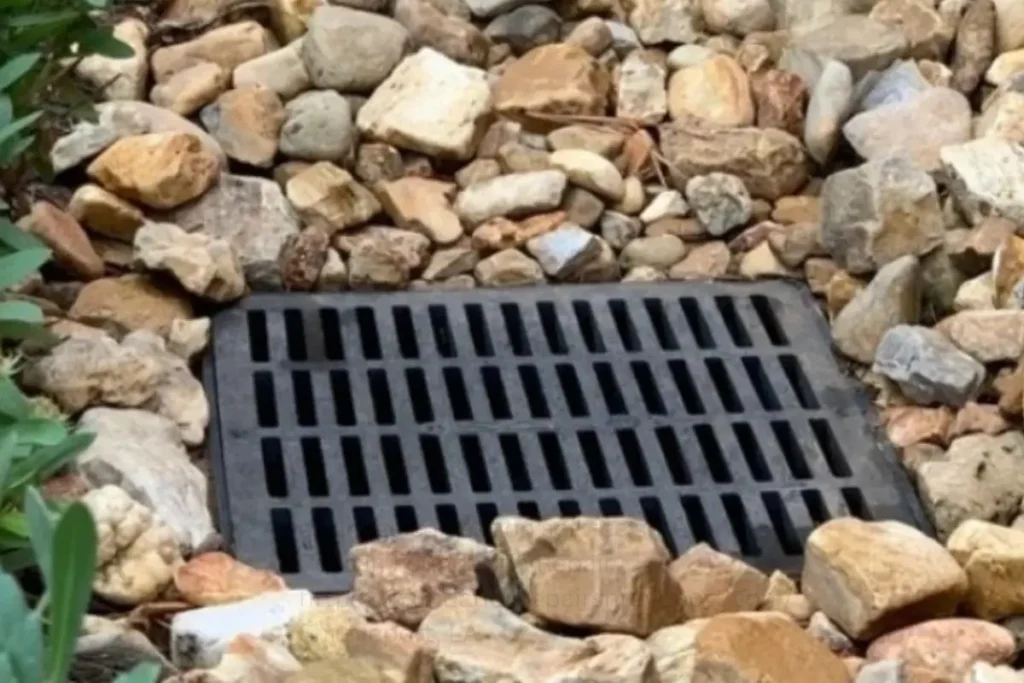
- Poor exterior drainage: if gutters dump roof water next to the foundation and the yard slopes toward the house, the encapsulation fights a losing battle. Exterior water control is part of the system, even though it is outside the crawl space.
If you are comparing encapsulation against a basic vapor barrier, know that a thin unsealed barrier fails on almost every item above — thinner material, no sealed seams, no dehumidifier. Our encapsulation vs. vapor barrier comparison breaks down where the extra investment goes and why it lasts longer.
How to Make Your Encapsulation Last the Full 25 Years
Getting the long end of the range is about small, boring habits — all cheaper than replacing the system early:
- Check the dehumidifier filter twice a year — spring and fall. Rinse or replace it, confirm the unit is running, and make sure the condensate drain flows freely to its discharge point.
- Walk the liner once a year. Look for tears, lifted edges, and areas where the liner has pulled away from piers or walls. Small tears get patched with liner tape in minutes; ignored tears grow.
- Keep gutters and grading working. Clean gutters each fall, extend downspouts at least 4 to 6 feet from the foundation, and keep soil sloped away from the house. Every gallon you keep out of the crawl space is a gallon the system never has to handle.
- Fix plumbing leaks fast. If your water bill jumps or you hear running water with everything off, check under the house. A week of dripping does more damage than a year of humidity.
- Do not use the crawl space for storage. Boxes and bins crush drainage matting, tear liner, and block airflow. The crawl space is a machine room now, not a closet.
- Schedule a professional check every few years. A foundation company can spot seam failures, pump wear, and wood moisture trends you would miss. Many offer it as part of a warranty or maintenance visit.
Signs Your Encapsulation Is Failing
Encapsulations rarely fail all at once. They degrade in stages, and catching the early stages is the difference between a $200 service call and a $5,000 redo. Watch for these:
- Musty smells returning: if the crawl space or the rooms above start smelling musty again, humidity is winning somewhere — usually a failed seam or a dead dehumidifier.
- Condensation on ducts or the liner: visible sweating means relative humidity is too high. Check the dehumidifier first; it may have quit without you noticing.
- Standing water on top of the liner: a little water channeling to the sump is fine. Pooled water sitting for days means the drainage path or the pump is not keeping up.
- Tape peeling or liner pulling away: walk the space once a year and look at the seams. Peeling tape is a 10-minute fix with liner tape — until it becomes a 10-foot gap.
- Wood moisture climbing: if you have a moisture meter, readings creeping back into the high teens mean the system is losing ground.
- Higher energy bills or muggy rooms: a failing encapsulation lets humid air into the house, and your AC works harder to wring it out. Unexplained summer humidity upstairs often starts underneath.
Any one of these deserves a look underneath. A failed seam caught in year 6 is a patch; caught in year 10, it is a structural repair on top of the encapsulation fix.
Encapsulation Lifespan in Shreveport’s Climate
Shreveport is a tougher-than-average test for any encapsulation system, and it is worth being honest about why. Our summers run long, hot, and humid — the kind of air that holds real moisture for months. Wet springs saturate the expansive clay mapped across Caddo and Bossier parishes by the USDA’s Web Soil Survey, and that clay holds water under foundations far longer than sandy soil would. Then tropical systems roll through every few years and drop inches of rain in a single day.
What that means in practice: a Shreveport dehumidifier works harder than the same unit in drier country, so it lands at the shorter end of its 7-to-12-year range unless the filters stay clean and the space is well sealed. Sump pumps cycle more often in low areas — near Cross Lake, the Red River bottoms, and the bayou corridors through the 71105 and 71107 ZIPs — which wears switches and motors faster. None of this makes encapsulation a bad investment here; it makes proper installation and basic maintenance more important here than in a mild climate.
Building Science Corporation research on closed crawl spaces confirms what local crews see weekly: sealed crawl spaces control moisture far better than vented ones in hot-humid climates — but only when the seams, dehumidification, and exterior drainage are done right.
What a Long-Lasting Encapsulation Includes
If you are getting quotes, the lifespan question is really a specification question. A system built to last 20-plus years includes a 20-mil reinforced liner (not thin poly sheeting), mechanically sealed vents, taped and sealed seams at every pier and penetration, a properly sized dehumidifier with a condensate drain, and — where the site needs it — interior drainage and a sump pump. Ask each bidder to name the liner thickness and the dehumidifier model. Vague answers are a red flag.
Pelican Foundation Repair’s crawl space encapsulation service is built to that spec for Shreveport conditions, and our guide to encapsulation costs in Shreveport explains what drives the price. Start with a free inspection from Pelican Foundation Repair — Monday through Saturday, 8:00 AM to 6:00 PM — and get a written plan for your home’s specific moisture conditions.
Frequently Asked Questions
How long does crawl space encapsulation last?
A professionally installed system lasts 15 to 25 years with basic maintenance. The liner can go 20 to 30 years, while the dehumidifier and sump pump typically need replacement once in that window.
What is the first thing to fail in an encapsulated crawl space?
Usually the dehumidifier or the sump pump — the mechanical parts. They run daily in our humidity and typically last 7 to 12 years. Seam tape is next, as adhesives break down over 10 to 20 years.
Does encapsulation last longer than a basic vapor barrier?
Yes. A thin unsealed vapor barrier tears and shifts within a few years, while a full encapsulation’s 20-mil liner, sealed seams, and dehumidification last 15 to 25 years.
How often should I check my encapsulated crawl space?
Check the dehumidifier filter twice a year and walk the liner once a year for tears or peeling tape. A professional inspection every few years catches what you might miss.
Will flooding ruin my encapsulation?
It can shorten its life. Standing water can lift liner, soak seam tape, and overwhelm the sump pump. After any flooding, have the system inspected — early repairs prevent a full redo.
Do I need to replace the dehumidifier before the liner wears out?
Almost certainly. Plan on one dehumidifier replacement during the encapsulation’s life — normal maintenance, not a system failure.
Does the warranty cover the full lifespan?
Terms vary by company and usually cover materials and workmanship for a set period, not the full 25-year potential lifespan. Get them in writing. Pelican Foundation Repair offers a 20-year structural warranty on qualifying repairs.
Pelican Foundation Repair
6118 Fairfield Ave, Shreveport, LA 71106, USA
318-585-2003
https://foundationrepairshreveport.com/