 Skip to main content

How Long Does Crawl Space Repair Last? Lifespan by Repair Type
How long does crawl space repair last? It depends on the type of repair: a full encapsulation typically lasts 20 to 30+ years, structural joist and beam repairs last 25 to 30+ years, a basic vapor barrier lasts 10 to 15 years, and drainage components like sump pumps last 7 to 15 years depending on the part. The repair itself is only half the equation — Louisiana humidity, standing water, and whether the space stays dry afterward determine whether you get the low end or the high end of those ranges.
The short version: most professional crawl space repairs last 15 to 30 years when the moisture problem that caused the damage is fixed at the same time. Repairs that treat the symptom — replacing rotted wood without fixing the water — fail much sooner. Always fix the water first.
Call (318) 585-2003 – Free Inspection
📊 Crawl Space Repair Lifespan at a Glance
20–30+ yrs
Full encapsulation lifespan with proper maintenance
25–30+ yrs
Structural wood repairs in a dry crawl space
Fix water first
Moisture control decides every repair’s real lifespan
The Short Answer: 10 to 30+ Years, Depending on the Repair
There is no single lifespan for “crawl space repair” because it is not a single repair. A crawl space job might mean a heavy-duty vapor barrier, a full encapsulation with a dehumidifier, new support beams, sistered joists, a sump pump, or all of the above. Each component ages differently, and the weakest link sets the practical lifespan of the whole system.
Here is the honest breakdown most Shreveport homeowners need:
- Full encapsulation: 20 to 30+ years. The reinforced liner itself is extremely durable; the dehumidifier will need replacement once or twice in that span.
- Basic vapor barrier (ground cover only): 10 to 15 years. Thinner material, no sealed vents, no humidity control — it helps, but it ages faster.
- Joist, beam, and sill plate replacement: 25 to 30+ years, provided the crawl space stays dry. Pressure-treated lumber in a dry environment lasts decades.
- Sump pump: 7 to 15 years for the pump itself; the basin and discharge lines last much longer.
- Interior drainage channel: 20 to 30 years. It is essentially a formed concrete or plastic channel — very little to wear out.
The pattern is clear: the structural and passive components last decades, while the mechanical components — pumps and dehumidifiers — are maintenance items you replace on a cycle. A good contractor explains this upfront so you are never surprised. If you are still deciding whether your crawl space needs attention at all, our guide on how to know if your crawl space needs repair lists the warning signs to look for.
Full Encapsulation: The Longest-Lasting Moisture Solution
Encapsulation is the gold standard for crawl space moisture control, and it earns that reputation partly through longevity. A proper encapsulation seals the entire space: a thick reinforced vapor barrier covers the ground and runs up the walls, vents are sealed shut, the rim joist is insulated, and a commercial-grade dehumidifier holds humidity in the 45–55 percent range year-round.
The liner is the long-lived part. Quality encapsulation liners are 12 to 20 mil reinforced polyethylene — far thicker than the 6-mil plastic sold at hardware stores — and they are taped, sealed, and mechanically fastened. In a sealed, conditioned space, there is very little to degrade them: no UV light, no foot traffic, stable temperatures. Twenty to thirty years is a realistic expectation, and many last longer.
The dehumidifier is the part you will replace. Even a good unit working in Louisiana humidity typically lasts 5 to 10 years before efficiency drops or the compressor gives out. Budget for one or two replacements over the life of the encapsulation. That is normal maintenance, not a failure — like replacing the air filter on your HVAC, just on a longer cycle. When the humidity stays controlled, everything else in the crawl space — wood framing, insulation, ductwork — lasts dramatically longer too. Our comparison of crawl space encapsulation vs. a basic vapor barrier explains the difference in protection and price.
Call (318) 585-2003 – Free Inspection
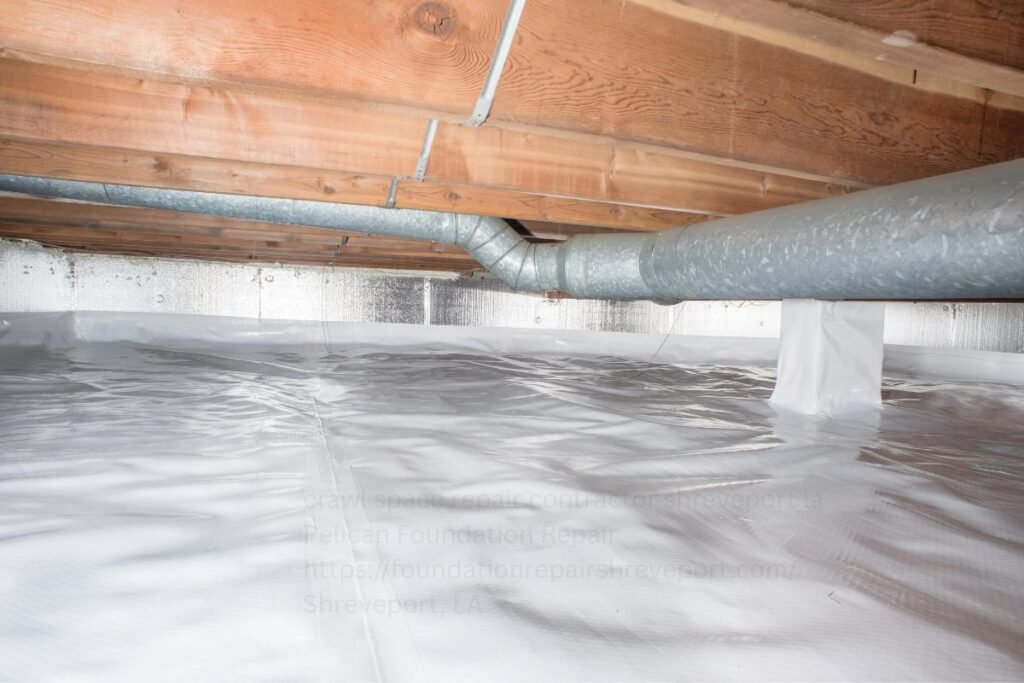
Vapor Barriers: Cheaper Upfront, Shorter-Lived
A basic vapor barrier — plastic sheeting laid over the crawl space ground, sometimes just overlapped and not sealed — is the budget option. It slows ground moisture from rising into the space, which is genuinely useful, but it is not a sealed system. Vents stay open, humidity still swings with the weather, and the thin material is vulnerable to tears, displacement, and UV degradation near vent openings.
Expect 10 to 15 years from a professionally installed ground vapor barrier, less if it is thin material or was installed loosely. The most common failure modes are simple: the plastic shifts and exposes bare ground, tears develop where it was walked on during later work, or standing water gets under it and turns the barrier into a moisture trap rather than a shield. A barrier sitting in ponded water is arguably worse than no barrier at all, because it hides the water while the wood above it rots.
Joist, Beam, and Sill Plate Repairs: Built to Last Decades
Structural wood repairs are the longest-lived part of most crawl space jobs. When a rotted sill plate is replaced, a sagging beam is swapped for a new built-up beam, or weakened joists are sistered with new lumber, the new wood is pressure-treated and installed in what should now be a dry environment. In those conditions, 25 to 30+ years is a fair expectation — essentially the remaining life of the house’s framing.
The critical phrase is “in a dry environment.” Wood does not rot because it is old; it rots because it stays wet. A joist replacement done without fixing the moisture source — the leaking downspout, the failed grading, the missing vapor barrier — can start rotting again within a few years. This is the single most common reason crawl space repairs “fail” early, and it is entirely preventable. Every reputable contractor pairs structural wood repair with moisture control; if a quote covers one without the other, get a second opinion.
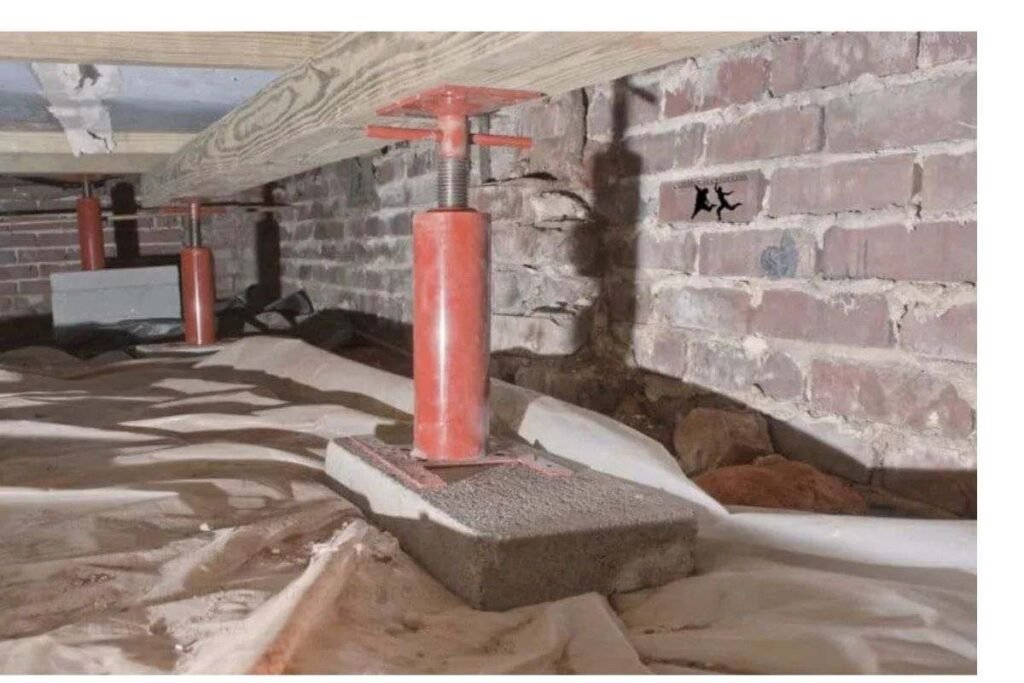
Support components age well too. New concrete block piers, steel support posts, and properly installed shims are essentially permanent in a dry crawl space. They do not rot, they do not rust through in any reasonable timeframe, and they only need attention if the soil beneath them moves — which brings us back to drainage. The expansive clay soils under much of Shreveport, from Cedar Grove to Queensborough, move with moisture changes, so keeping water away from the foundation protects both the wood and the supports. The LSU AgCenter’s publications at lsuagcenter.com describe how Louisiana’s clay soils behave through wet and dry cycles.
Call (318) 585-2003 – Free Inspection
Drainage, Sump Pumps, and Dehumidifiers: The Maintenance Items
Every crawl space water management system has parts that wear out on a schedule. Knowing the schedule keeps small maintenance from turning into big repairs:
| Component | Typical lifespan | What to watch for |
|---|---|---|
| Sump pump | 7–15 years | Runs constantly, cycles rapidly, or fails to start in a storm |
| Crawl space dehumidifier | 5–10 years | Rising humidity readings, ice on coils, constant running |
| Battery backup for sump pump | 3–5 years | Alarm chirps, pump dead during power outage |
| Interior drainage channel | 20–30 years | Sediment buildup slowing flow to the sump basin |
| Discharge lines | 15–25 years | Clogs, freeze damage, or lines crushed by landscaping |
| Full encapsulation liner | 20–30+ years | Tears or displaced sections after other trades work below |
The sump pump deserves special attention in Louisiana. Our storms do not politely schedule themselves, and a pump that dies during a spring downpour can mean inches of water under the house within hours. Test the pump twice a year — pour a bucket of water in the basin and confirm it kicks on and discharges — and replace the battery backup on schedule even if it has never been used. A $200 battery is cheap compared to a flooded crawl space.
What Shortens the Life of Crawl Space Repairs
Most premature crawl space failures come from a short list of causes. Every one of them is preventable:
- Unfixed bulk water. The number one killer. If water still ponds in the crawl space after rain, every other repair is on borrowed time. Grading, gutters, and drainage come before — or at least with — everything else.
- Plumbing leaks. A slow drip from a supply line or a seeping drain joint can soak framing for months before anyone notices. Crawl spaces hide leaks well, which is exactly the problem.
- Damaged vapor barriers. Later trades — plumbers, electricians, pest control — crawl through encapsulated spaces and tear liners without repairing them. One torn section can undo much of the system’s benefit.
- HVAC condensation. Ductwork sweating in a humid crawl space drips onto insulation and framing. Sealed ducts and controlled humidity solve it; ignoring it rots the framing from above.
- Termite and pest activity. Subterranean termites love moist wood. A dry, sealed crawl space is far less inviting, but annual termite inspections are still wise in Louisiana.
- Negative grading outside. Soil sloping toward the house funnels every rainstorm straight to the foundation. This single landscaping issue causes more crawl space water than any other.
Call (318) 585-2003 – Free Inspection
How to Make Your Crawl Space Repair Last Longer
You do not need to become a crawl space hobbyist. A short annual routine covers nearly everything:
- Look under the house once a year. Bring a flashlight. Check for standing water, torn liner, sagging insulation, and anything that smells musty. Fifteen minutes, once a year.
- Keep gutters clean and downspouts extended. Water dumped next to the foundation is the most common preventable cause of crawl space moisture. Extensions are cheap; repairs are not.
- Maintain grading. Soil settles over time. If the ground near your foundation has flattened or now slopes toward the house, add soil to restore the slope away from the home.
- Service the mechanicals. Clean the dehumidifier filter, check its drain line, test the sump pump twice a year, and replace backup batteries on schedule.
- Protect the liner. If anyone works under the house — plumber, electrician, pest tech — ask them to reseal any liner they disturb, and check their work afterward.
- Watch humidity. A $15 hygrometer in the crawl space tells you at a glance whether the system is working. Sustained readings above 60 percent mean something needs attention.
This routine takes less time than cleaning your gutters and protects a repair worth thousands.
Call (318) 585-2003 – Free Inspection
Frequently Asked Questions
How long does crawl space encapsulation last?
A professionally installed full encapsulation typically lasts 20 to 30+ years. The reinforced liner itself is extremely durable in a sealed space; the dehumidifier is a maintenance item you will replace every 5 to 10 years.
How long does a basic crawl space vapor barrier last?
About 10 to 15 years for a professionally installed ground vapor barrier. Thinner material, open vents, and no humidity control mean it ages faster than a full encapsulation, and standing water underneath it can shorten its life further.
How long do repaired floor joists and beams last?
Twenty-five to 30+ years, as long as the crawl space stays dry. Pressure-treated lumber in a dry environment lasts decades. Wood repairs fail early only when the moisture problem that caused the original rot is not fixed.
How often should a sump pump be replaced?
Most sump pumps last 7 to 15 years. Test yours twice a year by pouring water in the basin, and replace the battery backup every 3 to 5 years even if it has never been used — storms do not wait for convenient timing.
Does crawl space repair come with a warranty?
Reputable contractors warranty their structural crawl space work. Qualifying repairs from Pelican Foundation Repair carry a 20-year structural warranty. Always ask exactly what the warranty covers, what voids it, and how claims work before you sign.
What is the number one reason crawl space repairs fail early?
Unfixed water. Replacing rotted wood or laying a vapor barrier without solving the drainage, grading, or plumbing issue that caused the damage means the new work starts deteriorating immediately. Fix the water first, then repair the damage.
Call (318) 585-2003 – Free Inspection
Get a Free Crawl Space Inspection in Shreveport
The lifespan of any crawl space repair starts with an accurate diagnosis. Our free inspection includes moisture readings, a framing assessment, and a written plan that fixes the water problem and the damage together — so the repair lasts as long as it should.
Call Pelican Foundation Repair at (318) 585-2003, or visit Pelican Foundation Repair to schedule. We serve Shreveport and the surrounding areas — see our full service area list — and you can explore our crawl space repair services to see every option.
Pelican Foundation Repair 6118 Fairfield Ave, Shreveport, LA 71106, USA 318-585-2003 https://foundationrepairshreveport.com/