 Skip to main content

Is Waterproofing a Crawl Space Worth It in Louisiana’s Climate?
Is waterproofing a crawl space worth it in Louisiana? For most homes in the Shreveport area, yes — our climate never gives a damp crawl space a chance to dry out. Summer humidity here regularly sits in the 60 to 75 percent range, summer thunderstorms dump inches of rain at a time, and the clay soil under most homes holds that water against the foundation for days. A vented, unsealed crawl space in Caddo Parish invites mold, wood rot, and musty air drifting into the living space. Sealing and waterproofing it turns that liability into a clean, dry part of the house.
That said, “worth it” depends on your house and your plans. Full encapsulation — heavy-duty liner, sealed vents, dehumidifier, and drainage — typically costs $5,000 to $15,000 in Shreveport. That is real money, and there are homes where a lighter fix makes more sense. This guide walks through the math, the benefits, and the honest exceptions.
The short version: in Louisiana’s humidity, waterproofing a crawl space usually pays for itself through prevented wood rot, lower moisture damage, better indoor air, and modest energy savings — but only if the job includes drainage and a dehumidifier, not just a plastic sheet on the ground. If your crawl space is already dry year-round or you are selling the home as-is, a lighter fix may be the smarter spend. A free inspection will tell you which situation you are in.
Call (318) 585-2003 – Free Inspection
📊 Crawl Space Waterproofing at a Glance
60–75%
Typical summer humidity range in Shreveport
$5K–$15K
Typical full encapsulation cost range
1–3 days
Average time to complete most jobs
What Louisiana’s Climate Does to a Crawl Space
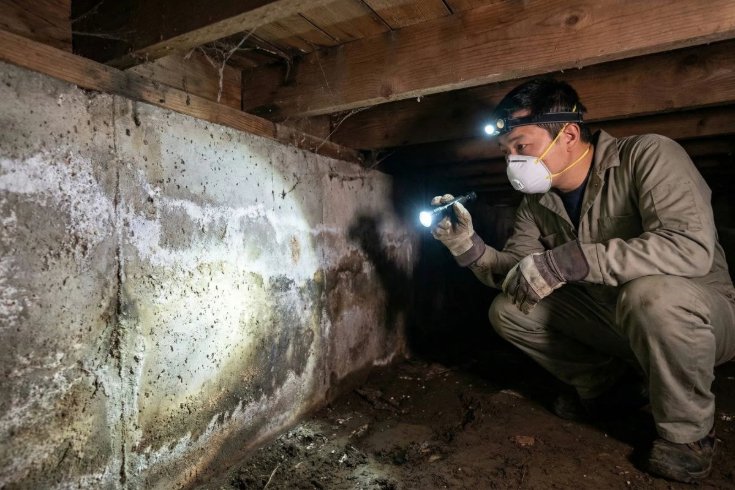
Start with what your crawl space is up against. Shreveport summers run hot and humid for five months, and vented crawl spaces were designed on the theory that outside air dries things out — but in Louisiana, the outside air is the moisture source. Warm humid air enters the vents, hits cooler surfaces, and condenses — which is why crawl spaces in Broadmoor, South Highlands, and Cedar Grove stay damp from April through October.
Then there is the soil: much of northwest Louisiana sits on expansive clay that drains slowly and holds water. After heavy Gulf-season rains, water sits against foundation walls and seeps through block and mortar for days. Add gutters that dump roof water right at the foundation — common on older homes — and you get standing water under the house several times a year. The EPA at epa.gov notes that persistent dampness encourages mold growth — and a wet crawl space is one of the most common sources in Southern homes.
The result plays out in slow motion: joists and sill plates absorb moisture year after year, fungi and termites find ideal conditions, insulation sags, and musty air rises through gaps around plumbing and wiring. It never happens overnight — which is why homeowners underestimate it until a contractor shows them what is under the house.
What “Waterproofing” Actually Includes
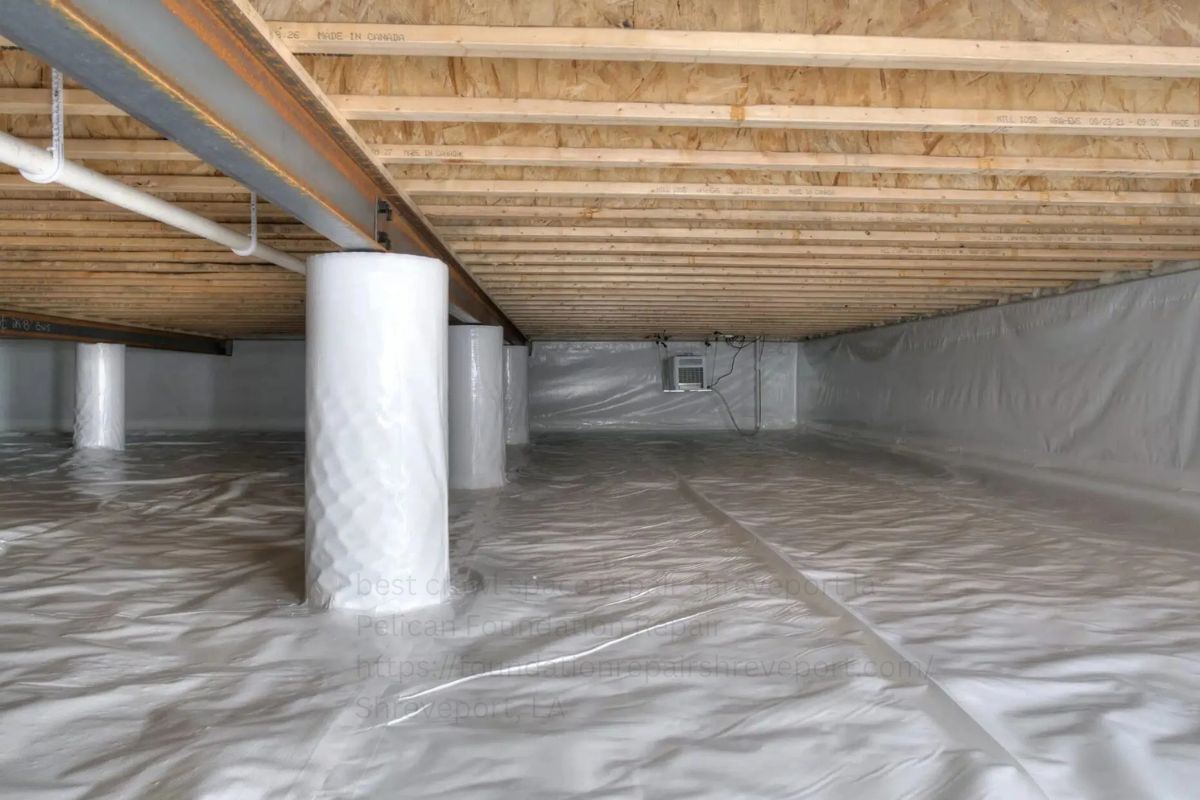
The word gets thrown around loosely, so let us define it. A basic vapor barrier — a thin sheet of plastic laid on the dirt — is not waterproofing. It helps a little, but it does nothing about water coming through the walls, nothing about humid air entering the vents, and nothing about standing water after a storm. Real crawl space waterproofing, usually called encapsulation, is a system of parts that work together.
A proper job starts with drainage: grading soil away from the foundation, extending downspouts, and adding an interior perimeter drain with a sump pump where water gets in. Then comes the heavy liner — typically 12 to 20 mil reinforced polyethylene — sealed to the walls and piers with tape and fasteners, not just draped over the dirt. Foundation vents get sealed shut, because in our climate they admit more moisture than they remove. Finally, a dedicated crawl space dehumidifier holds relative humidity in the 45 to 55 percent range year-round, and a sealed access door finishes the envelope.
That is why quotes vary so much: a $1,500 plastic-sheet job and a $12,000 encapsulation are different projects entirely. Our crawl space encapsulation page details what a complete system includes so you can compare bids fairly.
Call (318) 585-2003 – Free Inspection
The Money Math: Costs vs. What It Prevents
Waterproofing is an investment, so let us talk numbers honestly. Nobody can promise you a payback date, but the costs on both sides of the ledger are real enough to compare.
| Item | Typical Shreveport range | Notes |
|---|---|---|
| Basic vapor barrier only | $1,500–$3,500 | Thin liner, no drainage or dehumidifier |
| Full encapsulation system | $5,000–$15,000 | Liner, sealed vents, drainage, dehumidifier |
| Sump pump addition | $1,000–$2,500 | If the crawl space takes on standing water |
| Replacing rotted floor joists | $5,000–$20,000+ | The repair waterproofing helps you avoid |
| Professional mold remediation | $2,000–$8,000 | Often triggered by chronic crawl space moisture |
Look at it this way: one round of structural wood repair can cost as much as the encapsulation that would have prevented it. Mold remediation is not cheap either, and it does not fix the moisture that caused the mold. Against those numbers, an $8,000 to $12,000 encapsulation looks less like a luxury and more like maintenance you would pay for one way or another.
There is an energy angle too: a damp crawl space forces your AC to wring moisture out of the air all summer while wet insulation under the floor barely insulates. Sealed, dehumidified crawl spaces typically trim cooling costs modestly — most owners notice, though no honest contractor promises a percentage. Our encapsulation cost guide for Shreveport breaks pricing down by crawl space size.
The Benefits That Do Not Show Up on a Spreadsheet
Some of the best reasons are quality-of-life improvements. That musty smell when the AC kicks on in July? That is crawl space air pulled up through ductwork and floor gaps — and after encapsulation it usually disappears within weeks.
Families with allergies or asthma often notice the biggest change. Damp crawl spaces grow mold and host dust mites, and the stack effect pulls that air upward through the house all summer. Drying the space removes one of the largest hidden moisture sources in the home.
Then there is storm-season peace of mind. When a tropical system drops inches of rain overnight, an encapsulated crawl space with a sump pump just handles it — the pump cycles, the liner sheds water, and the dehumidifier keeps working. No more lying awake wondering how much water is under the house.
Call (318) 585-2003 – Free Inspection
When It Is NOT Worth It
Honest contractors turn down jobs, and waterproofing has genuine exceptions. If any of these describe your situation, think twice before signing.
- Your crawl space is genuinely dry. Some homes — usually on higher ground with good grading and working gutters — stay dry year-round with just a basic vapor barrier. If an inspection finds low moisture readings and sound wood, a full encapsulation is overkill.
- You are selling the house as-is soon. If the home goes on the market within a year or two and the crawl space is not actively damaged, you are unlikely to recover a $10,000 encapsulation in the sale price. Disclose honestly and let the buyer decide.
- Structural repairs have to come first. Waterproofing over collapsing joists or a failing foundation wall is putting a roof on a burning house. Stabilize the structure first, then seal the space.
- The quote is just a plastic sheet. A thin liner with no sealed vents, no drainage plan, and no dehumidifier will not fix a wet Louisiana crawl space. That is not waterproofing; that is a $2,000 disappointment.
- Water is coming from a plumbing leak. A burst pipe or leaking drain line under the house needs a plumber, not an encapsulation crew. Fix the leak first, then reassess the moisture.
There is also a middle path: a heavy 12-mil vapor barrier with sealed seams, plus regraded soil and extended downspouts, buys meaningful improvement for a fraction of the price — and the system can be completed later. Our comparison of encapsulation vs. vapor barrier details what each option buys.
What to Ask Before You Hire Anyone
Crawl space work happens where you cannot see it, which makes contractor quality everything. Use these questions to separate the pros from the plastic-sheet peddlers.
- What are the moisture readings, and where? A real inspection includes meter readings at multiple points — wood moisture content, relative humidity, and any standing water mapped. “It looks damp” is not a diagnosis.
- Does the bid include drainage? If water gets in during storms, a liner without a drainage and pump plan just hides the water. Ask specifically how storm water will be handled.
- What mil thickness is the liner, and how is it sealed? You want 12 mil minimum, sealed to walls and piers — not 6-mil plastic draped loosely over the dirt.
- Is a dehumidifier included, and who services it? In Louisiana’s climate, encapsulation without mechanical dehumidification often underperforms. Ask about the unit’s capacity and maintenance.
- What is the warranty, in writing? Look for a long written warranty on the system — we back qualifying work with a 20-year structural warranty. Vague verbal assurances are a red flag.
One more piece of neighborly advice: get the inspection even if you are unsure about the work. A free professional look under the house — with photos and moisture readings — tells you whether you face a $2,000 fix, a $10,000 project, or nothing at all.
Call (318) 585-2003 – Free Inspection
Frequently Asked Questions
Is crawl space waterproofing worth it in Louisiana?
For most homes, yes. Louisiana’s humid season and clay soils keep unsealed crawl spaces damp most of the year, feeding mold, wood rot, and musty air. A full system typically costs $5,000 to $15,000 and protects against repairs costing as much or more.
What is the difference between a vapor barrier and encapsulation?
A vapor barrier is just a plastic sheet on the ground. Encapsulation is a complete system: heavy sealed liner, closed vents, drainage with a sump pump if needed, and a dehumidifier. Different projects, different prices.
How much does crawl space encapsulation cost in Shreveport?
Most full systems run $5,000 to $15,000 depending on crawl space size, how much water it takes on, and whether a sump pump is needed. A basic liner-only job runs $1,500 to $3,500 but is not true waterproofing.
Will waterproofing get rid of the musty smell in my house?
Usually, yes, if the crawl space is the source — and it often is. Sealing out humid air and drying the space removes the mold and mildew producing the odor. Most homeowners notice the smell fading within a few weeks of the dehumidifier running.
Does an encapsulated crawl space lower energy bills?
It typically helps: the AC no longer fights constant moisture from below and the floor insulation stays dry. Savings vary — no honest contractor promises a percentage — but most owners notice a difference in summer.
Can I just seal the vents myself?
Sealing vents without the rest of the system can backfire: you trap existing moisture inside with no way to remove it. Vents should only be closed as part of a full encapsulation with a sealed liner and dehumidification. Otherwise you can make a damp crawl space worse.
How long does crawl space waterproofing last?
A properly installed system typically lasts for decades. The liner does not wear out quickly; longevity comes down to maintaining the sump pump and dehumidifier.
Call (318) 585-2003 – Free Inspection
Get a Free Crawl Space Moisture Check in Shreveport
You cannot decide until you know what is happening under your house. Our free inspection includes moisture meter readings, photos, and an honest recommendation — full encapsulation, a lighter fix, or nothing at all.
Call Pelican Foundation Repair at (318) 585-2003, or visit Pelican Foundation Repair to schedule. We handle encapsulation, drainage, and dehumidification across Caddo and Bossier parishes — see our service area list and our full foundation repair services.
Pelican Foundation Repair 6118 Fairfield Ave, Shreveport, LA 71106, USA 318-585-2003 https://foundationrepairshreveport.com/