
Mudjacking: How the Process Works Step by Step
Mudjacking pumps a cement-based slurry under a sunken slab to lift it back toward level — a proven, affordable fix for driveways, patios, and sidewalks.
Mudjacking is a concrete leveling method in which a crew drills small holes in a sunken slab, pumps a cement, sand, and water slurry underneath it, and lifts the slab back toward its original height. The holes are then patched, and most driveways and patios are ready to use within a day or two.
If a section of your driveway has dropped an inch or two, or your patio now slopes toward the house, you have probably wondered whether the whole slab has to come out. In most cases it does not. Mudjacking, also called slabjacking, has lifted sunken concrete for decades. This guide walks through the process step by step: what the crew will do, how long it takes, what it costs, and when a different method makes more sense.
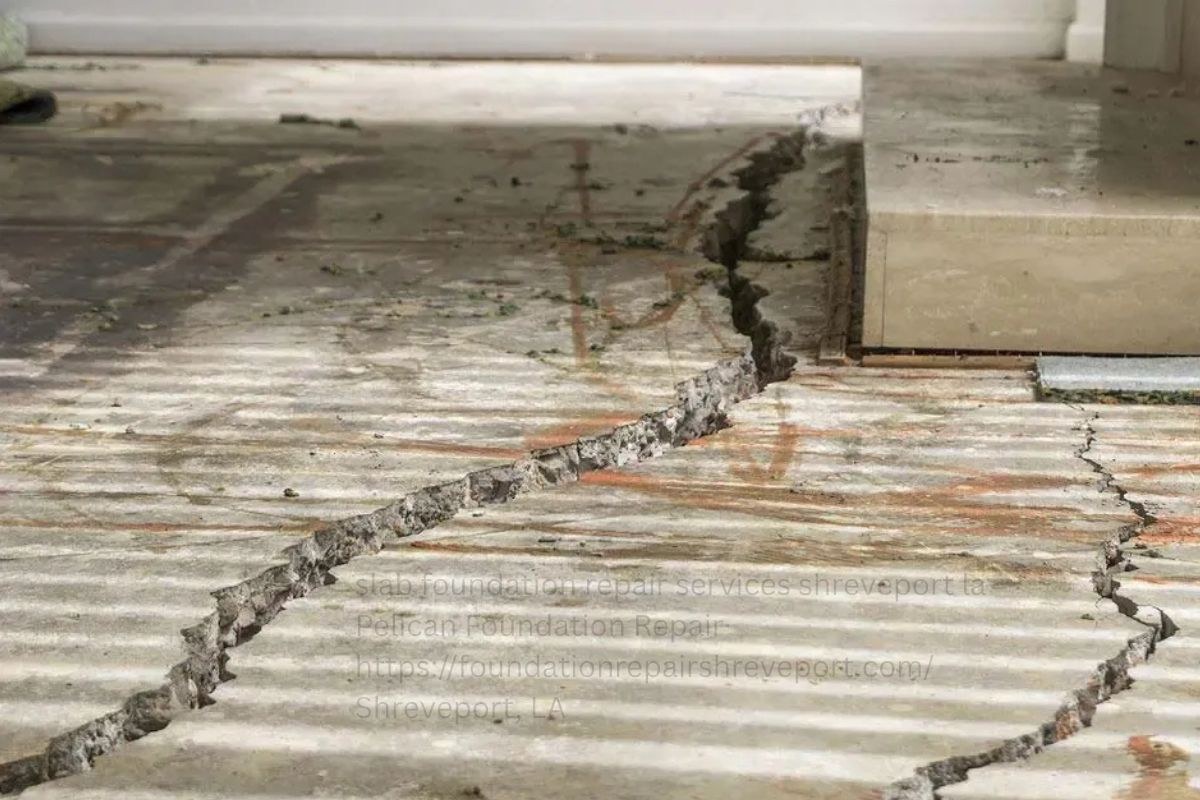
What Mudjacking Actually Is
A concrete slab sinks when the soil underneath it settles, washes away, or shrinks. In Shreveport, the usual culprit is the expansive clay soil across Caddo Parish: it swells in a wet spell and shrinks back in a dry summer, and that shrink-swell cycle can leave a void under a slab. Water from a broken gutter, a downspout that dumps beside the driveway, or a slow plumbing leak can also wash fine soil out from under it. Once support is gone, the slab drops, showing up as a trip edge at a joint, a patio that ponds water, or a driveway sloping toward the garage.
Mudjacking fills that void from above. The crew drills holes through the slab, pumps a thick slurry of cement, sand, and water underneath it, and the slurry spreads out, fills the empty space, and pushes the slab upward. The lift is controlled a little at a time, with the crew checking the level as they go, so the slab rises evenly. When the slab is back where it belongs, the crew stops pumping and patches the holes. A cracked slab stays cracked — but it is supported again, and it sits at the right height.
It helps to understand what mudjacking is not. It is not a foundation repair method for a settling house, and it will not fix a slab broken into many pieces or heaving from tree roots. It is a leveling method for flatwork: driveways, sidewalks, patios, garage floors, and pool decks. If the slab is basically sound but has sunk, mudjacking is usually the first option worth pricing.
The Mudjacking Process, Step by Step
A mudjacking job follows the same sequence whether the slab is a driveway in Broadmoor or a patio in South Highlands.
Step 1: Inspection and measuring the drop
The crew starts by walking the slab and measuring how far it has dropped and where. They look at the joints, the slope, and the drainage around it, because a slab that keeps getting wet from a bad downspout will sink again if the water problem is not fixed. They also check the concrete itself: a slab with a few hairline cracks is a good candidate, while one shattered into small pieces usually is not. This is also where the crew should tell you honestly whether lifting is possible, or whether replacement is the better call.
Step 2: Drilling the injection holes
Next, the crew drills holes through the slab in a grid pattern across the sunken area. Mudjacking holes are larger than foam-jacking holes, usually about one to two inches across, because the cement slurry is thicker than foam. The pattern matters: holes placed only at the edges will lift the edges and leave the middle low, so a good crew maps the grid to the settled area before drilling.
Step 3: Pumping the slurry underneath
A hose is fitted to each hole in turn, and the slurry is pumped underneath the slab. The crew starts at the lowest point and works outward, watching the slab rise with a level. This is the part that takes judgment: pump too fast and the slab can crack or lift too high; pump too little and the void stays partly empty. An experienced crew lifts in small increments and keeps checking until the slab is level with the adjoining sections.
Step 4: Patching the holes and cleanup
Once the slab is level, the crew fills each hole with a concrete patch, smooths it flush, and cleans up. The patches are visible at first, though they weather in over time, and they are far less noticeable than a trip edge or a replaced section. Most crews ask you to keep vehicles off the slab for a day or two while the slurry cures, though foot traffic is usually fine sooner.
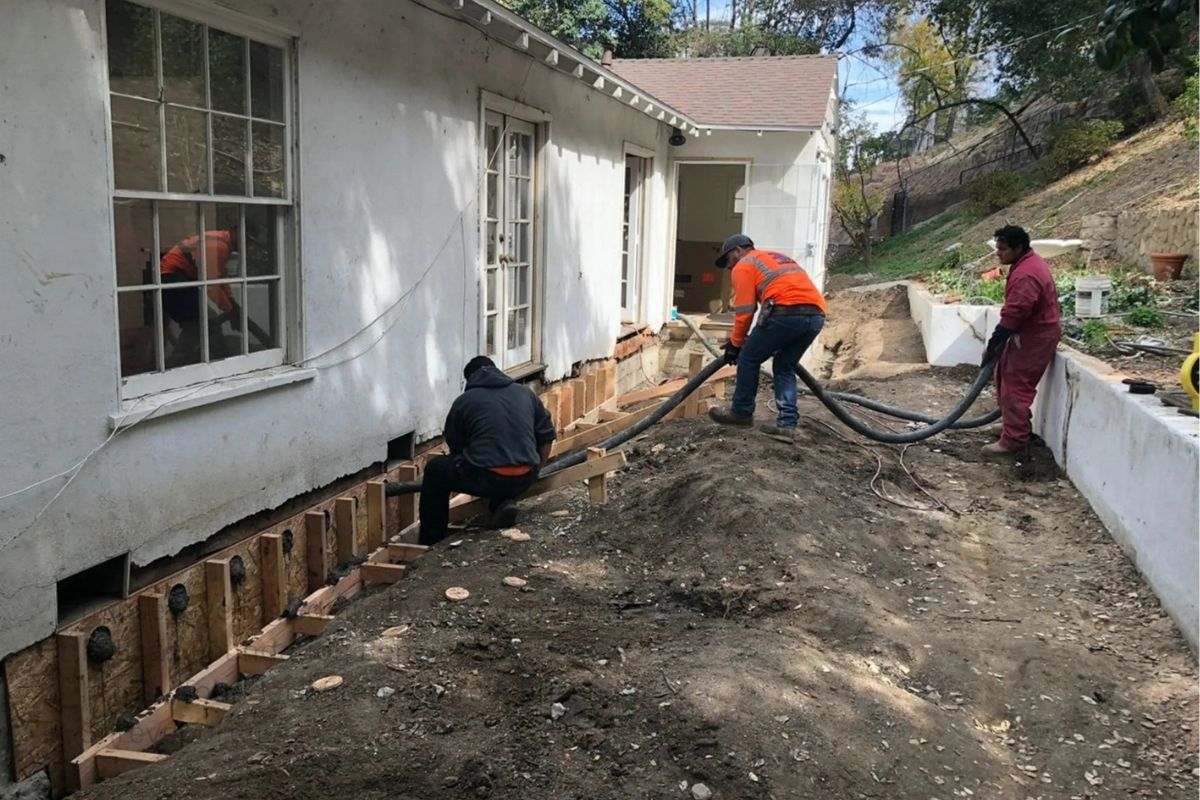
How Long Mudjacking Takes, and What It Costs in Shreveport
Most residential mudjacking jobs take a few hours, not a few days. A single driveway section or a patio can often be lifted in one morning, and a longer driveway may take most of a day. Compare that with replacement: demolition, hauling, forming, pouring, then days waiting for new concrete to cure before you can drive on it. For a homeowner who needs the driveway back quickly, that time difference alone can settle the decision.
Cost depends on slab size, how far it has dropped, how many holes are needed, and how easy the area is to reach. A small sidewalk section or a single patio slab commonly falls in the hundreds of dollars, while a large driveway can run into the low thousands, still usually well below replacement, which adds demolition and disposal to new concrete. Be wary of a quote far below every other one: it may mean a thinner slurry, fewer holes, or no plan for the drainage problem that caused the settlement.
Shreveport conditions affect both time and price: slabs here sit on clay that moves with the seasons, so a crew should check whether settlement is still active before lifting, and a good quote will mention drainage and soil, not just the lift. Our guide to concrete leveling costs, mudjacking vs foam compares the two methods, and what concrete leveling is explains the full range of options.
Mudjacking vs Polyurethane Foam Jacking
Mudjacking and foam jacking do the same job — fill the void and lift the slab — with different materials. Foam is a two-part polyurethane that expands as it cures, so it lifts with smaller holes, usually under an inch across, and cures in minutes rather than a day or two. That makes foam attractive for slabs that need to carry weight immediately, or for very precise lifts.
Mudjacking has its own advantages. The cement slurry is heavier than foam, which helps it stay put under a slab that sees standing water, and it is usually the cheaper option for a large, straightforward lift. It is also the older, more widely available method in Northwest Louisiana. On the other hand, the larger holes are more visible, the slurry takes longer to cure, and the added weight can be a drawback on very soft soil.
| Feature | Mudjacking | Foam jacking |
|---|---|---|
| Material | Cement, sand, and water slurry | Expanding polyurethane foam |
| Hole size | About one to two inches across | Usually under one inch across |
| Cure time | A day or two before driving on it | Minutes to hours |
| Typical cost | Usually the cheaper of the two | Usually higher, for precision and speed |
| Best for | Large, straightforward driveway and patio lifts | Small, precise lifts and slabs needed back fast |
| Watch out for | Added weight on very soft soil | Higher price; foam will not fix bad drainage |
Neither method fixes the reason the slab sank. If water is still washing soil out from under it, or a downspout still dumps beside it, either lift will eventually need repeating. The method choice is about the slab and the schedule; the lasting fix is about water and soil. Our polyurethane foam jacking process guide explains the foam method in the same step-by-step detail.
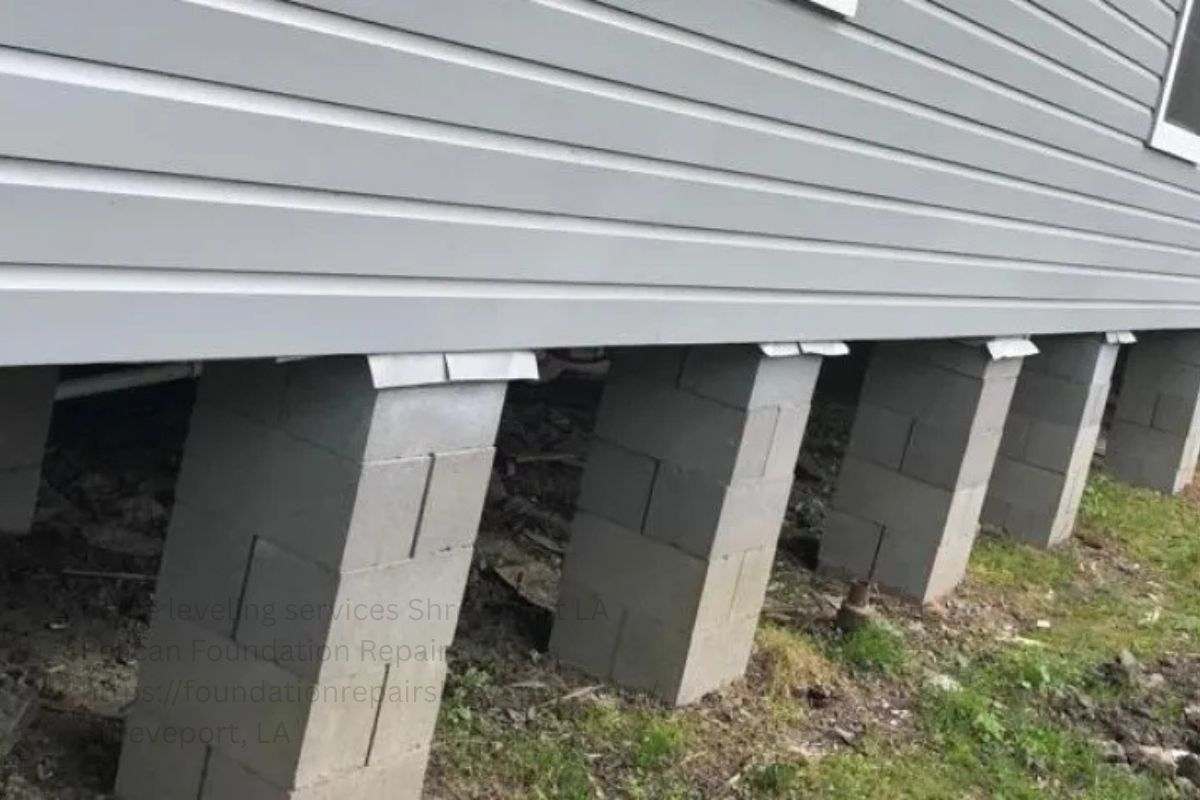
When Mudjacking Is the Right Call, and When It Is Not
Mudjacking is the right call when the slab is mostly intact, the drop is moderate, and the cause is understood: a driveway section settled an inch or two at a joint, a sidewalk panel that rocks when you step on it, a patio ponding water against the house. The slab is sound enough to lift, the void is fillable, and the fix restores both the look and the safety of the surface.
It is not the right call in a few clear situations. If the slab is broken into many small pieces, lifting will not make it whole, and replacement is the honest answer. If the slab is heaving upward because of tree roots, pumping material underneath will only make it worse; the roots and the slab section have to be dealt with first. If the slab is part of a settling house foundation — not just flatwork — mudjacking is the wrong tool, and the house needs a foundation evaluation. And if the soil underneath is still washing away from a leak, fix the leak first, or the new lift will follow the old one down.
- Good candidate: a sound slab with a moderate drop and drainage that can be corrected.
- Poor candidate: a shattered slab, a slab heaving from roots, or one still sinking from a leak.
- Wrong tool: a settling house foundation, which needs piers, not slab lifting.
- Ask before you book: what caused the settlement, what drainage fix is needed, and what warranty covers the lift.
What to Expect After the Lift, and How to Keep It Level
After mudjacking, expect the patched holes to be visible for a while and the slab to sit level with its neighbors. Small surface cracks that were already there will still be there, since lifting does not seal cracks, and a crew may suggest sealing wider ones to keep water out. The main aftercare is simple: keep vehicles off the slab for the curing period, usually a day or two, and watch how water drains across it in the next heavy rain. Water should run away from the house, not pond on the slab or run toward the foundation.
Keeping a lifted slab level is mostly about water. In Shreveport, that means clean gutters, downspouts that carry water several feet away from concrete, grading that slopes away from the house, and prompt attention to plumbing leaks near a slab. The clay soil here, from Queensborough to Cedar Grove and across to Bossier City, will keep moving with wet and dry seasons, but a slab with good drainage and solid support moves far less than one with water pooling beside it. If a lifted section drops again within a year, the original cause was never fixed, and it deserves a second look rather than a second lift on the same terms.
Start with an honest assessment of the slab and the soil under it. Book a concrete leveling inspection with Pelican Foundation Repair, and we will measure the drop, check the drainage, and tell you plainly whether mudjacking, foam, or replacement is right for your slab. See also our foundation repair services in Shreveport, LSU AgCenter guidance on Louisiana’s expansive soils at lsuagcenter.com, and concrete repair guidance at concrete.org.
Frequently Asked Questions About the Mudjacking Process
How does mudjacking lift a concrete slab?
A crew drills holes through the slab and pumps a cement, sand, and water slurry underneath it under pressure. The slurry fills the void and pushes the slab upward a little at a time until it is level again.
How big are the holes drilled for mudjacking?
Mudjacking holes are usually about one to two inches across, larger than foam-jacking holes, because the cement slurry is thicker than foam and needs a wider opening. The holes are patched with concrete after the lift.
How long does mudjacking take?
Most residential jobs take a few hours, with a single driveway section or patio often finished in one morning. Vehicles should usually stay off the slab for a day or two while the slurry cures.
How much does mudjacking cost?
Cost depends on slab size, drop, and access. A small section commonly falls in the hundreds of dollars, while a large driveway can run into the low thousands, usually well below the cost of replacement.
Is mudjacking better than foam jacking?
Neither is better for every job. Mudjacking is usually cheaper for large, straightforward lifts, while foam uses smaller holes, cures faster, and suits precise lifts. The right choice depends on the slab, the soil, and how quickly you need it back in use.
Will a mudjacked slab sink again?
It can, if the original cause is not fixed. Water washing soil out from under the slab, a bad downspout, or an unresolved leak will undermine a new lift just as it undermined the old slab. Fix drainage first for a lasting result.
Can mudjacking fix a cracked slab?
Mudjacking lifts a slab and supports it again, but it does not repair cracks. A slab with a few cracks is still a good candidate, while a slab shattered into many pieces usually needs replacement instead.
Can mudjacking fix a settling house foundation?
No. Mudjacking is a leveling method for flatwork like driveways, patios, and sidewalks. A settling house foundation needs a structural evaluation and a foundation repair method such as piers, not a slab lift.
Pelican Foundation Repair
6118 Fairfield Ave, Shreveport, LA 71106, USA
318-585-2003
https://foundationrepairshreveport.com/