Pier and Beam Foundation Repair in Greenwood, LA: Signs, Methods, and What to Expect
Pier and beam foundation repair in Greenwood, LA lifts and steadies older raised homes, fixing sagging floors, settling piers, and worn beams before small movement turns into bigger damage.
Pier and beam repair in Greenwood usually means re-leveling the floors, replacing or shimming settled piers, and repairing worn beams under the house. A specialist inspects the crawl space first, measures how far the floors have dropped, then plans the fix around the piers, the beams, and the clay soil under your home.
Greenwood sits west of Shreveport on US Highway 80, also called Greenwood Road, in Caddo Parish near the Texas state line. Many homes here were built as raised pier-and-beam houses, with wood floors over a crawl space instead of a concrete slab, so the piers and beams under the house carry everything, and when the clay soil shifts, the floors tell the story first.
What Pier and Beam Repair Means in Greenwood, LA
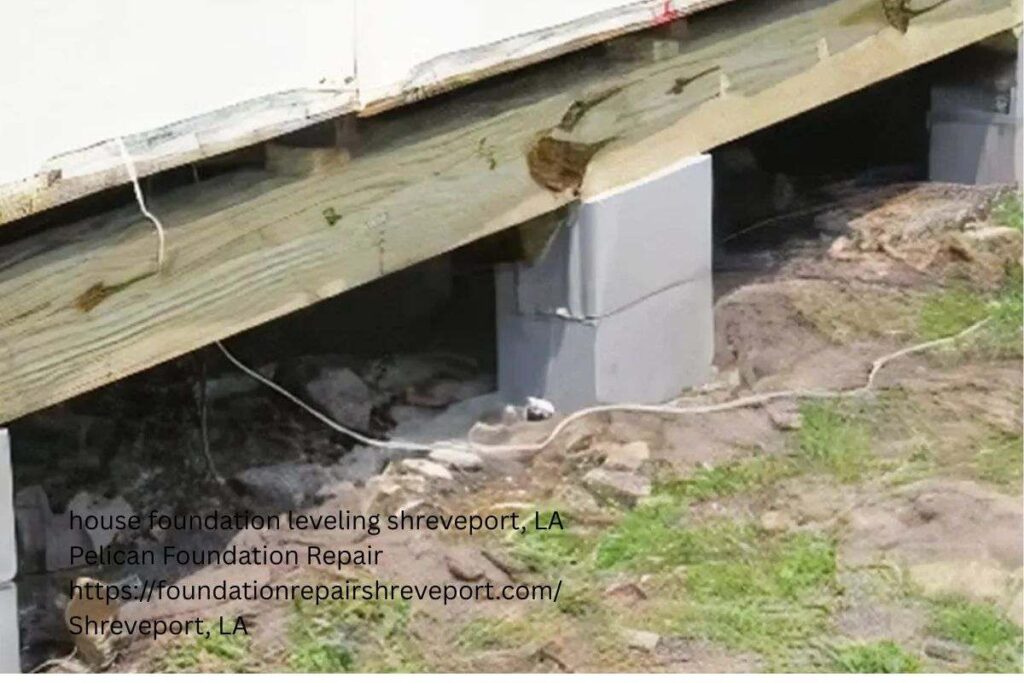
A pier and beam foundation holds a house up on a grid of concrete or brick piers, with wood beams spanning between them and wood joists carrying the floors. The space under the house is a crawl space, and it gives access to the piers, beams, plumbing, and ductwork. When a pier settles or a beam weakens, the floor above it drops, and the house starts to show it in doors, walls, and floors.
How a Pier and Beam Foundation Works
Each pier sits on a footing in the soil and carries part of the house weight up through the beam to the floor. The beams spread that weight across several piers, so one weak pier does not have to carry a whole room by itself. The crawl space also lets air move under the house, which matters in Greenwood summers, when humidity stays high for months.
Why Greenwood Clay Moves Piers
Greenwood sits on the same expansive clay that troubles foundations across northwest Louisiana. The clay swells when it soaks up rain and shrinks as it dries, and that movement pushes and pulls at pier footings, so a wet winter followed by a dry summer can slope a floor. Homes near large trees feel it more, because roots pull moisture from one side of the house while the other stays damp. Poor drainage adds to the problem: water pooling beside the house keeps one row of piers wet while the rest dry out, so the house settles unevenly. The National Weather Service Shreveport page tracks the rain and dry spells that drive this cycle.
Signs Your Pier and Beam Foundation Needs Repair in Greenwood
Most pier and beam trouble shows up inside the house before it shows up outside. Floors are the clearest signal, because they sit directly on the beams. Walk the house slowly and notice where the floor feels soft, bouncy, or sloped. Check the doors too: a door that sticks in one season and swings in another often follows soil moisture, while a door that keeps getting worse usually follows a pier that keeps settling.
Inside Signs Worth Taking Seriously
Inside, look for floors that slope toward one corner, gaps where the baseboard has pulled away from the floor, and cracks in the drywall above doors and windows. A chimney that leans away from the house is a stronger warning, because it means one side of the structure has moved. Creaking floors alone are common in older homes, but creaking paired with a visible slope or a sticking door is worth an inspection.
Outside and Crawl Space Signs
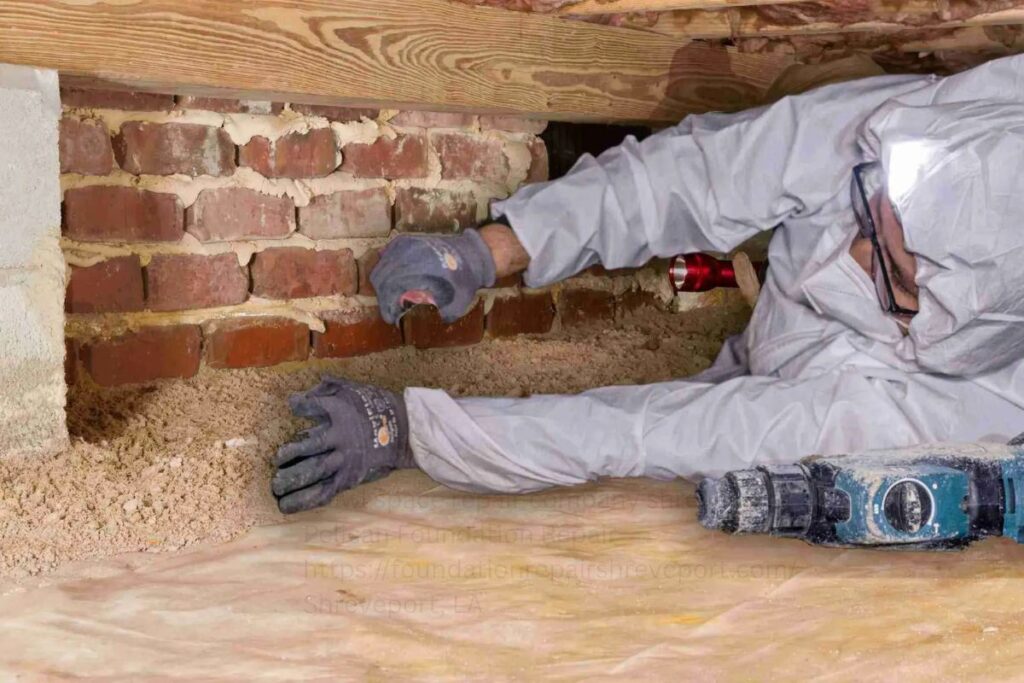
Outside, look at the brick piers themselves: cracks in the mortar, piers that lean, or piers that have sunk below the beam they should carry. If you can look into the crawl space safely, check for standing water, damp soil, and wood that looks dark or soft, since rot and moisture weaken beams and joists from below. A musty smell in the house often traces back to a damp crawl space. The Federal Emergency Management Agency notes that water and soil movement are common causes of foundation trouble. See FEMA guidance on protecting your home for more.
- Floors slope, bounce, or feel soft in one room or corner.
- Doors stick, drag, or will not latch, and the problem keeps getting worse.
- Gaps open between baseboards and floors, or between walls and ceilings.
- Cracks appear above doors and windows, or a chimney leans away from the house.
- Brick or concrete piers show cracked mortar, leaning, or sinking below the beam.
- The crawl space stays damp, smells musty, or holds standing water after rain.
- Wood beams or joists look dark, soft, or damaged by moisture or pests.
Pier and Beam Foundation Repair Methods Compared
There is no single pier and beam repair method, because the right fix depends on what moved and why. A settled pier calls for a different answer than a rotted beam, and a house that has dropped across a whole side needs a different plan than one low spot in a bedroom. Search interest in pier and beam repair methods has risen sharply in recent weeks, so here is how the main methods compare, in plain terms.
Shimming: Small Lifts for Small Drops
Shimming is the lightest fix. The crew jacks the beam up a small amount and slides steel or hardwood shims between the beam and the pier to hold the new height. It works when the pier itself is sound and the drop is small. Shimming is quick and causes the least disturbance, but it does not fix a pier that is cracked, leaning, or sinking into soft soil.
Pier Replacement and Beam Work
When a pier is cracked, leaning, or too far gone to shim, the crew replaces it: the beam is supported with temporary jacks, the old pier comes out, and a new concrete block or poured pier goes in on a proper footing. A beam that has sagged can often be sistered, which means a new beam is bolted alongside the old one to share the load, while a beam that is rotted or split usually needs a full replacement in that span.
Steel Push Piers and Helical Piers for Pier and Beam Homes
When the soil itself is the problem, deeper support may be needed. Steel push piers are driven down to a firm layer and carry the load past the moving clay, while helical piers screw into the soil and can be used where access is tight. Either system can underpin a pier and beam home that keeps settling, but a home with one settled pier rarely needs deep piers, and a home with rotted beams needs woodwork, not steel. Our guide on how pier and beam foundations work explains the parts these methods support.
| Method | Best for | What it cannot fix |
|---|---|---|
| Shimming | Small drops on sound piers | Cracked or sinking piers, large drops |
| Pier replacement | Cracked, leaning, or failed piers | Bad soil that will move the new pier too |
| Beam sistering or replacement | Sagging, rotted, or split beams | Piers that are still settling underneath |
| Steel push piers | Deep settlement in moving clay | Wood rot, moisture, or beam damage |
| Helical piers | Settlement where access is tight | Beam problems and crawl space moisture |
What a Pier and Beam Repair Visit Covers in Greenwood
A good repair visit starts under the house, not at the front door. The specialist walks the floors inside, notes where they slope and how far, then goes into the crawl space to look at every pier, beam, and joist, and checks for moisture, rot, and pest damage.
The Inspection Comes First
During the inspection, the specialist takes floor elevation readings, maps cracks, and checks the drainage around the house, because water is often part of the cause. In Greenwood, that means looking at where downspouts end and whether the yard slopes toward the house. If the signs point to structural questions beyond a standard inspection, a licensed structural engineer can be brought in for an independent review.
The Written Estimate and the Work Itself
After the inspection, you should receive a written estimate that lists the work, the method for each area, and the warranty terms on qualifying repairs. Ask how much lift the plan aims for and how the crew will protect the floors while jacking. Most pier and beam work takes a few days, with the house occupied throughout. For Greenwood homes, the pier and beam foundation repair service page lays out what Pelican checks on every visit, and the Greenwood, LA service area page covers the Caddo Parish area Pelican serves.
How Much Does Pier and Beam Repair Cost in Greenwood?
The cost depends on how many piers need work, whether beams need sistering or replacement, how far the floors have dropped, and whether deeper support or drainage work is part of the plan. No honest figure exists before an inspection measures the drop and maps the damage. Your exact figure comes from a written estimate after an expert inspection.
Keeping a Pier and Beam Home Steady After Repair
Repair is only half the job. The other half is keeping the soil moisture even and the crawl space dry, so the piers stop moving. That upkeep is mostly watching and small habits: walk the yard after rain, keep gutters clean, and check the crawl space entry a few times a year.
- Keep gutters clean and downspouts extended away from the house.
- Walk the yard after rain and note where water stands near the foundation.
- Check the crawl space after heavy rain for standing water or new damp spots.
- Keep soil and mulch below the top of the foundation wall and the siding.
- Trim roots and branches that push water or shade against one side of the house.
- Recheck floors and doors every six months and book a follow-up if anything changed.
For Greenwood homeowners, the Pelican Foundation Repair homepage shows the full range of services across Shreveport and northwest Louisiana. For a nearby example, see our pier and beam foundation repair in Blanchard, LA guide, and for the repair process itself, see our post on how to repair a pier and beam foundation.
Frequently Asked Questions
What are the signs of pier and beam foundation problems in Greenwood, LA?
Sagging or bouncy floors, doors that stick and keep getting worse, gaps between baseboards and floors, cracks above doors and windows, and leaning or cracked piers in the crawl space are the main signs. A damp crawl space or a musty smell often goes with them.
Can pier and beam foundations be leveled in Greenwood?
Yes, in most cases. The crew jacks the beams, shims or replaces the settled piers, and repairs worn beams, then re-checks the floor levels. How far the house can be lifted depends on its age, condition, and how long the movement has gone on.
How long does pier and beam foundation repair take?
Most pier and beam jobs take a few days, depending on the number of piers, the beam work, and the access under the house. A single pier fix can be done quickly, while a whole-side repair with beam work takes longer. The schedule comes from the inspection findings.
Do I need to move out during pier and beam repair?
Usually not. Most homeowners stay in the house while the crew works underneath, since the work happens in the crawl space. The crew should explain any noise, dust, or brief utility shutoffs before work starts.
What causes piers to settle in Greenwood?
Expansive clay soil is the main cause: it swells when wet and shrinks when dry, moving pier footings over time. Poor drainage, tree roots pulling moisture from one side, and old or shallow footings add to the movement.
Is a crawl space inspection part of pier and beam repair?
Yes, and it should be the first step. The specialist inspects every pier, beam, and joist in the crawl space, measures floor levels, and checks for moisture, rot, and pest damage before any repair plan is drawn up.
When should I book a pier and beam inspection in Greenwood?
Book one when floors slope or bounce, when doors stick and keep getting worse, when you see cracked or leaning piers, or when the crawl space stays damp. Early action keeps a small pier problem from turning into beam damage.
Pelican Foundation Repair
6118 Fairfield Ave, Shreveport, LA 71106, USA
318-585-2003
https://foundationrepairshreveport.com/