 Skip to main content

Retaining Wall Repair in Shreveport, LA: Fixes for Leaning & Crumbling Walls
Yes — most leaning and crumbling retaining walls in Shreveport can be repaired without a full rebuild, as long as the movement has not gone too far. In most cases the wall material is not the real problem. The real problem is water building up behind the wall: trapped water plus Louisiana’s expansive clay soil creates pressure that pushes walls outward, cracks mortar, and clogs the drainage meant to prevent it. Fix the water pressure, stabilize the wall, and a structure that looked doomed can stand straight for decades.
If your wall is leaning outward, bulging in the middle, shedding mortar, or weeping muddy water after every storm, do not just patch the face and hope for the best. Below: why it happens, the warning signs, the repair methods that work, what they cost, and how to tell repair from rebuild.
Call (318) 585-2003 – Free Inspection
📊 Retaining Wall Repair at a Glance
$3,500–$15,000+
Typical retaining wall repair range in Shreveport
20-year
Structural warranty on qualifying repairs
Free
Inspections across Shreveport, Caddo & Bossier Parish
Why Retaining Walls Fail in Shreveport (Hint: It Is Almost Always Water)
A retaining wall has one job: hold back soil. That push gets dramatically stronger when the soil is saturated, because trapped water with nowhere to drain — hydrostatic pressure — bears against the wall. A properly built wall has drainage to relieve it. Many Shreveport walls, especially older ones, do not.
Louisiana’s expansive clay soil makes everything worse. Clay swells when wet and shrinks when dry, and Shreveport’s weather gives it constant practice — heavy spring rains followed by hot, dry summers. Each swell-shrink cycle pushes a little harder against the wall. The LSU AgCenter’s resources on Louisiana soils at lsuagcenter.com explain how dramatically local clay moves with moisture changes.
Then there is the terrain. Neighborhoods like Southern Hills and parts of Highland and South Highlands sit on slopes and bluffs above the Red River floodplain, where walls hold back real hillsides. A wall holding back a slope takes far more abuse than a decorative garden wall, and when its drainage clogs, pressure builds fast — sometimes turning a slight tilt into a visible bulge in a single storm season.
Behind most failing walls we see, the story is the same: the original gravel backfill and drain pipe have silted up, the weep holes are clogged with mud, and every rainstorm turns the soil behind the wall into a heavy, swollen mass. The bricks or blocks are usually fine. The drainage failed. That is why retaining wall repair in Shreveport almost always starts behind the wall, not in front of it.
Warning Signs Your Retaining Wall Needs Repair
Walls rarely fail overnight. They give warnings for months or years first, and catching them early is the difference between a drainage fix and a full rebuild.
- Leaning or tilting. Stand at one end of the wall and sight along its face. If the top leans outward — away from the soil it holds — trapped pressure has already overcome the wall’s resistance.
- Bulging sections. A belly pushing out mid-wall, while the ends look straight, usually means water collecting behind that section. Bulges often worsen right after heavy rain.
- Stepped cracking. Cracks zigzagging through mortar joints in a staircase pattern mean one section is shifting differently from the rest.
- Crumbling mortar. Mortar that flakes or falls out is often a water problem, not age. Moisture behind the wall saturates mortar from the back, and it breaks down from the inside out.
- Weep holes that do not weep. After rain, weep holes should drip. Dry holes behind soaked soil — or holes oozing mud — mean clogged or collapsed drainage.
- Water stains and efflorescence. Dark stains, white chalky deposits, or algae on the wall face mean moisture is moving through constantly. The wall is acting as a dam, which it should never do.
- Soil loss at the base. Washed-out soil or gaps along the bottom mean water is eroding the footing. A wall losing its base is a wall getting ready to move.
- Shifting above the wall. Fence posts leaning or a patio settling at the top of the wall means the whole soil mass is moving — and the wall is the only thing in its way.
Quick check you can do yourself: hold a level against the wall face at several points, note where it leans, and write it down with the date. Check again after the next big storm. If the lean is growing, you have active movement — get an inspection before your repair options narrow.

Call (318) 585-2003 – Free Inspection
Retaining Wall Repair Methods That Actually Work
There is no single fix for every wall. The right fix depends on what failed. Here are the methods that work, and the situation each one fits.
Fixing the Drainage Behind the Wall
This is the repair that matters most and the one homeowners skip most often. If water pressure caused the failure, nothing done to the wall face will hold until water has somewhere to go. A drainage correction means excavating behind the wall, installing a perforated drain pipe in clean gravel, adding drain board or filter fabric, and opening the weep holes — plus redirecting gutters and grading above the wall. On straight walls, a drainage fix alone can stop the damage. On walls that already lean, it is paired with a structural repair.
Tiebacks and Wall Anchors
For leaning or bowing walls that are still structurally sound, anchors are the workhorse repair. A steel rod is driven through the wall into stable soil behind it, fitted with a wall plate, and tightened to pull the wall back toward plumb. Helical anchors grip well in Shreveport’s clay and can be load-tested during installation. Best for walls whose face material is intact — the problem is movement, not disintegration — and far less disruptive than a rebuild.
Repointing and Mortar Repair
When the wall is straight but the mortar is failing, repointing — grinding out bad mortar and packing in fresh — restores strength and keeps water out. It extends the wall’s life, but only if the wall is not moving. Repointing an actively leaning wall is wasted money.
Partial Rebuild With Geogrid
For segmental block walls (the dry-stacked, interlocking type common in newer subdivisions), a partial rebuild with geogrid often fits. The failed section comes down, the base is rebuilt, and geogrid mesh is layered between block courses and extended into the soil — tying wall and soil into one reinforced structure. Bigger than an anchor job, but it corrects the original construction defect in walls built with failed or missing geogrid.
Full Wall Replacement
Sometimes the honest answer is that the wall cannot be saved: rotted railroad ties, lean past the point anchors can correct, failed footings, or no foundation at all. A proper replacement includes a compacted base, the right wall system for the height and load, full drainage, and geogrid or reinforcement as needed. It costs more up front but resets the clock with a wall built for Shreveport’s soil and storms. Our wall repair service page covers how we judge repair candidates versus rebuilds.
Call (318) 585-2003 – Free Inspection
Repair vs. Rebuild: How to Make the Call
Can it be fixed, or does it all have to come down? That depends on how far the wall has moved, what it is made of, and whether the structure is still sound.
| Condition | Usually repairable | Usually needs rebuilding |
|---|---|---|
| Amount of lean | Slight to moderate lean; wall still close to plumb | Severe lean or the wall is visibly toppling |
| Wall material | Bricks, blocks, or timbers are solid and intact | Material is rotted, crushed, or disintegrating |
| Mortar and joints | Mortar worn but joints still holding the wall together | Mortar gone and courses shifting independently |
| Footing and base | Base is stable; no soil washing out underneath | Footing failed or soil eroding from under the wall |
| Movement over time | Lean is stable or moving very slowly | Lean is visibly growing season to season |
| Drainage | No drainage originally, but the wall can be retrofitted | Wall is too far gone to survive the excavation a retrofit needs |
Many Shreveport walls were built decades ago with zero drainage — no gravel, no pipe, no weep holes. If the wall is otherwise sound, adding drainage now is one of the highest-value repairs you can make. If the wall is crumbling, the excavation for that drainage can finish off a wall barely standing. That judgment call is what a free inspection is for.
One honest note: be wary of anyone who recommends a full rebuild without explaining why repair will not work — and equally wary of anyone who promises to straighten a severely toppled wall with anchors alone.
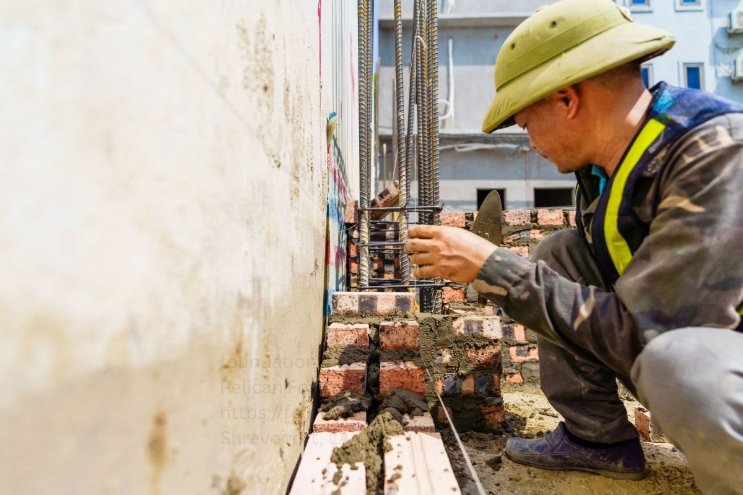
Retaining Wall Repair Costs in Shreveport, LA
Cost depends on height, length, material, how far the wall has moved, and — biggest factor — whether drainage work is included. These are typical ranges for residential work in the Shreveport area, not quotes. Your price comes from an on-site inspection.
| Repair type | Typical cost range | Best for |
|---|---|---|
| Drainage correction behind an existing wall | $3,500–$7,000 | Walls that are still straight but showing water damage or early movement |
| Mortar repointing | $3,500–$8,000 | Straight brick or block walls with failing mortar and no movement |
| Tieback or wall anchor installation | $5,000–$12,000 | Leaning or bowing walls with intact face material |
| Partial rebuild with geogrid | $8,000–$15,000 | Failed sections of segmental block walls |
| Full wall replacement with drainage | $15,000+ | Rotted, collapsed, or severely toppled walls; walls with failed footings |
Taller walls cost more per foot because soil pressure grows with height. Tight access (a wall squeezed between houses in Broadmoor or Cedar Grove, for example) adds labor. And drainage done alongside a structural repair almost always costs less than doing it separately later. Our drainage correction service page details what a proper behind-the-wall system includes.
The most expensive option is waiting. A wall that needs a $5,000 drainage fix today can become a $15,000+ rebuild in a few storm seasons. Water pressure does not negotiate.
Call (318) 585-2003 – Free Inspection
What Happens During a Retaining Wall Repair Job
Knowing the sequence helps you judge whether a contractor’s plan makes sense. Every wall differs, but a proper repair follows the same order.
Step 1: Inspection and measurement. The contractor documents the lean, checks the material and footing, notes what sits above the wall (driveways and patios add load), and investigates the drainage.
Step 2: Drainage first. If water pressure is part of the problem, drainage work comes before or alongside the structural fix — excavation, the drain system, and regrading above the wall. A plan that skips straight to straightening is a red flag.
Step 3: Structural repair. Anchors are installed and tensioned, the wall is pulled back in controlled stages (forcing it too fast can crack it), mortar is repointed, or the failed section is rebuilt.
Step 4: Backfill and restoration. The area behind the wall is backfilled with proper material — not just the clay that came out — compacted, and the surface restored with water flowing away from the wall.
Most residential repairs take a few days to about a week of on-site work; full rebuilds run longer. You can live in the house normally — the work is outside, though expect equipment noise and a torn-up strip of yard behind the wall. When a retaining wall holds back soil against a basement or foundation wall that is also moving, our guide to bowing basement wall repair options explains how the same water-pressure forces act below grade.
How to Keep Your Retaining Wall Standing for Decades
A repaired wall — or a healthy wall you want to keep that way — mostly needs water kept away from it. Prevention is unglamorous, but it separates walls that last thirty years from walls that fail in ten.
- Keep weep holes open. Check them after storms and clear mud or mulch. A weep hole that cannot weep is decoration.
- Route roof water away. Downspouts dumping onto soil above the wall feed hydrostatic pressure directly. Extend them past the wall or into a drain line.
- Grade the surface above the wall. Ground at the top should slope away from the wall edge. Even a small low spot that ponds water is worth fixing.
- Do not raise the soil level. Extra soil, mulch beds, or raised planters on top add height the wall was never designed to hold.
- Watch irrigation. Sprinklers soaking the soil behind the wall each morning do the same slow damage as rain. Aim them away and fix leaks.
- Plant wisely. Deep-rooted plants help hold slope soil together; shallow, thirsty plantings that need constant watering do the opposite.
- Inspect after big storms. A five-minute walk after heavy rain — checking for new lean, fresh cracks, or muddy weep holes — catches problems while they are cheap. FEMA’s guidance on managing water around structures at fema.gov is a useful reference for storm-season checks.
Slope-heavy areas like Southern Hills, and older brick walls in Highland and South Highlands, need this attention most. For related reading on how water attacks masonry below grade, see our post on cinder block foundation wall repair — the forces are the same ones working on your retaining wall.
Call (318) 585-2003 – Free Inspection
Frequently Asked Questions
Can a leaning retaining wall be straightened without rebuilding it?
In many cases, yes. If the bricks, blocks, or timbers are still solid and the lean is moderate, wall anchors or tiebacks can pull the wall back toward plumb and hold it there. Drainage correction has to happen too, or the water pressure will push it over again. Severely toppled walls, crumbling material, or failed footings usually need a rebuild.
How much does retaining wall repair cost in Shreveport?
Most residential retaining wall repairs in Shreveport fall between $3,500 and $15,000+. Drainage-only fixes and repointing sit at the lower end, anchors and partial rebuilds in the middle, and full replacements with new drainage start around $15,000 and go up. A free on-site inspection is the only way to get an accurate number for your wall.
Why is my retaining wall bulging after heavy rain?
Bulging after rain is a classic sign of trapped water. When soil saturates and the wall has no working drainage — clogged weep holes, a silted-up pipe, or no drain at all — hydrostatic pressure pushes the face outward. The bulge may relax in dry weather and return with the next storm. It needs drainage correction before it becomes permanent.
How do I know if my retaining wall needs repair or a full rebuild?
Slight to moderate lean with solid material usually means repair — anchors plus drainage. Severe lean, crumbling or rotted material, courses shifting independently, or soil washing out from under the footing usually means rebuild. A contractor measures the lean and checks the footing and drainage to tell you which side your wall is on. If someone recommends a rebuild, ask specifically why repair will not work.
What causes mortar to crumble on a brick or block retaining wall?
Constant moisture is the usual culprit. Water behind a wall with no drainage saturates mortar from the back, and it breaks down from the inside out. Repointing fixes the symptom, but without drainage correction, the new mortar will fail the same way.
Do retaining walls really need drainage behind them?
Yes — drainage is the most important part of the wall. Without a way for water to escape, every rainstorm turns the soil behind the wall into a heavy, swollen mass pushing outward. A proper system includes gravel backfill, a perforated drain pipe, filter fabric, open weep holes, and grading that sends water away. Many older Shreveport walls were built without any of this, which is why drainage retrofits are among the most common and valuable repairs in our area.
How long does a retaining wall repair last?
A proper repair — structural fix plus corrected drainage — should last for decades. Anchors are permanent structural hardware, and a well-built drainage system has no expiration date as long as outlets stay clear. Skipping the drainage shortens a repair’s life: straightening without relieving water pressure just restarts the clock. Qualifying repairs from Pelican Foundation Repair carry a 20-year structural warranty, and inspections are always free.
Call (318) 585-2003 – Free Inspection
Get a Free Retaining Wall Inspection in Shreveport
If your retaining wall is leaning, bulging, cracking, or shedding mortar, do not wait through another storm season. Water pressure only builds, and repair options narrow as movement grows. Pelican Foundation Repair offers free inspections across Shreveport, Caddo Parish, and Bossier Parish — we measure the lean, check the drainage behind your wall, and give you a straight answer on repair versus rebuild.
Browse our full foundation and drainage services to see how wall repair protects your whole property, or call (318) 585-2003 today to schedule your free inspection.
Pelican Foundation Repair 6118 Fairfield Ave, Shreveport, LA 71106, USA 318-585-2003 https://foundationrepairshreveport.com/