Stack Effect: The Ugly Truth About Your Crawl Space
Your crawl space air does not stay down there. Warm air rises through your floors all day, carrying damp, musty crawl space air into the rooms where you live.
The stack effect is the upward flow of air in a home: warm air rises and escapes through the attic, and replacement air gets pulled in from below, including your crawl space. In a damp Shreveport crawl space, that means musty air and moisture ride upstairs, which is why sealing and drying matters more than airing it out.
If your house smells musty no matter how much you clean, or your allergies flare indoors, or your floors feel clammy in summer, the problem may not be in the rooms you live in at all. It may be underneath them. Shreveport homes, especially pier-and-beam homes in older neighborhoods like Highland, South Highlands, and Broadmoor, sit over crawl spaces that spend much of the year damp. Gulf humidity, heavy rain, and expansive clay soil keep the ground wet, and the stack effect does the rest, lifting that damp air straight into your living space through gaps around pipes, wires, ductwork, and floorboards.
What the Stack Effect Actually Is
Think of your house as a chimney. Warm air is lighter than cool air, so it rises. In winter, heated air moves up through the house and leaks out around the attic hatch, recessed lights, and roof penetrations. In summer, the same thing happens in reverse at the top, with hot attic air driving circulation, but the basic pull from below never stops. Every cubic foot of air that leaves near the top has to be replaced by air coming in somewhere lower, and the easiest entry points are usually the ones you never see: the crawl space.
That matters because crawl space air is rarely clean air. Under a Shreveport home, the ground stays moist for much of the year. Rain soaks into expansive clay that drains slowly, humidity hangs in the Gulf air, and a vented crawl space simply trades one batch of humid outdoor air for another. The air under your floor picks up moisture from bare soil, odors from damp wood and soil, and, where mold or mildew is growing, the musty smell that seems to follow you from room to room. Then the stack effect carries it up through every crack and gap in the floor system.
Why Shreveport Crawl Spaces Feed It So Well
Shreveport is a worst-case town for crawl space moisture, and the reasons stack up. First, the soil: Caddo Parish sits on expansive clay that holds water and releases it slowly, so the ground under a home can stay damp long after the rain stops. Second, the climate: long, humid summers and heavy rain seasons mean outdoor air itself is often damp, so opening crawl space vents to let air in just invites more moisture. Third, the housing stock: many homes in Shreveport, Bossier City, Blanchard, and Greenwood are pier-and-beam homes with real crawl spaces, not slabs, which means there is a whole damp room under the house feeding air upward.
Add the details that make it worse. Gutters that dump near the foundation, grading that slopes toward the house, and downspouts that end a few feet from the wall all push water under the home. Plumbing leaks, even slow ones, add moisture nobody notices until the smell arrives. And older homes often have ductwork running through the crawl space, where leaky joints can suck damp air straight into the heating and cooling system and spread it to every room. If your home is in Southern Hills or near Cross Lake, where the water table runs high and yards stay soggy after rain, the crawl space may never fully dry on its own.
Signs the Stack Effect Is Bringing Crawl Space Air Upstairs
You do not need special equipment to spot this problem. You mostly need to pay attention to what your nose and your floors are already telling you. The signs below show up in living spaces, but their source is usually below.
- Musty smell that returns after cleaning, strongest on the ground floor and near floor vents.
- Allergy or breathing irritation that eases when you leave the house for a day or two.
- Floors that feel damp, clammy, or cold in spots, especially over the crawl space.
- Cupped or warped hardwood floors, or laminate that buckles near exterior walls.
- Condensation on ductwork or pipes visible from the crawl space access.
- Higher cooling bills in summer, since humid air is harder and costlier to cool than dry air.
- Insulation sagging or falling from between floor joists in the crawl space.
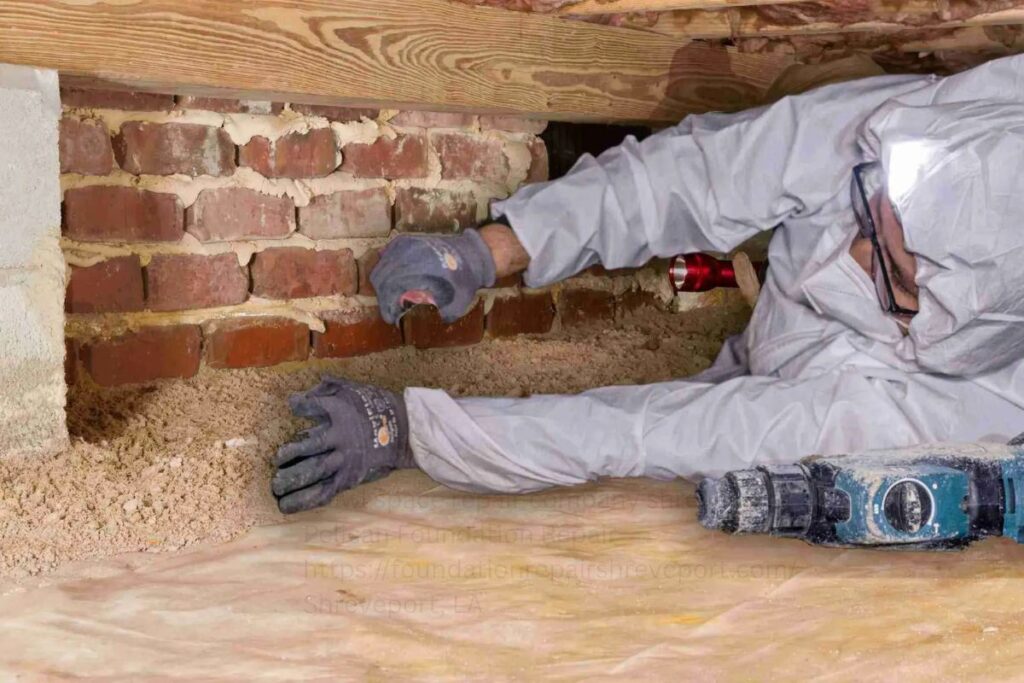
- Mold or mildew staining on floor joists, subflooring, or crawl space walls.
One sign alone may have another cause. A musty smell could be a forgotten leak under a sink. But two or three of these together, especially in a pier-and-beam home, point strongly at the crawl space, and a quick look through the access opening usually confirms it. Take a flashlight, look without crawling in, and check for standing water, wet soil, stained joists, and fallen insulation. If you see any of those, you have found the source of the air your family is breathing.
What Damp Crawl Space Air Does to Your Home
The damage runs in three directions: health and comfort, structure, and money. On comfort, humid air feels warmer and stickier, so the air conditioner works longer to reach the same thermostat setting. On structure, constant moisture feeds mold on joists and subflooring, softens wood over time, and invites wood-destroying insects that love damp, dark spaces. Rotted or weakened joists eventually show up as sagging floors and doors that stick, which is when a moisture problem starts looking like a foundation problem.
On money, the costs compound quietly. Higher energy bills month after month, flooring that needs replacing years early, and a repair bill that grows the longer damp wood sits untreated. A small moisture problem caught early is usually a sealing and drying job. The same problem left for years can become a structural repair job with new joists, new supports, and new subflooring. That is the honest reason to act on the signs above rather than living with the smell.
There is also a common trap to avoid. Many homeowners assume that opening crawl space vents wider will fix the problem by airing the space out. In a humid climate like ours, venting usually makes it worse: warm, humid outdoor air enters the cooler crawl space, and the moisture in that air condenses on joists, ducts, and the underside of the floor. Ventilation made sense in dry climates and in building codes written before anyone understood Gulf humidity. In Shreveport, it often delivers the opposite of what was intended.
| What you notice upstairs | What is happening below | What fixes it |
|---|---|---|
| Musty smell that will not go away | Mold or mildew growing on damp joists or soil | Seal the space, dry it, clean affected wood |
| Cupped or buckling floors | Moisture swelling the subfloor from below | Control humidity, then repair flooring |
| High summer cooling bills | Humid crawl space air entering the living space | Seal gaps and penetrations, dehumidify |
| Sagging floors, sticking doors | Moisture-weakened joists or supports | Structural repair after the moisture source is fixed |
| Standing water after rain | Grading or drainage failure outside | Fix grading, gutters, and drainage first |
How to Fix It: Seal It, Dry It, Then Check the Structure
The fix follows a sensible order, and skipping steps is how money gets wasted. First, stop water from getting in. That means gutters and downspouts that carry water well away from the house, soil graded to slope away from the foundation, and any drainage problem outside corrected before anything is sealed inside. Sealing a crawl space that still floods after every storm just traps water inside, so outside water always comes first.
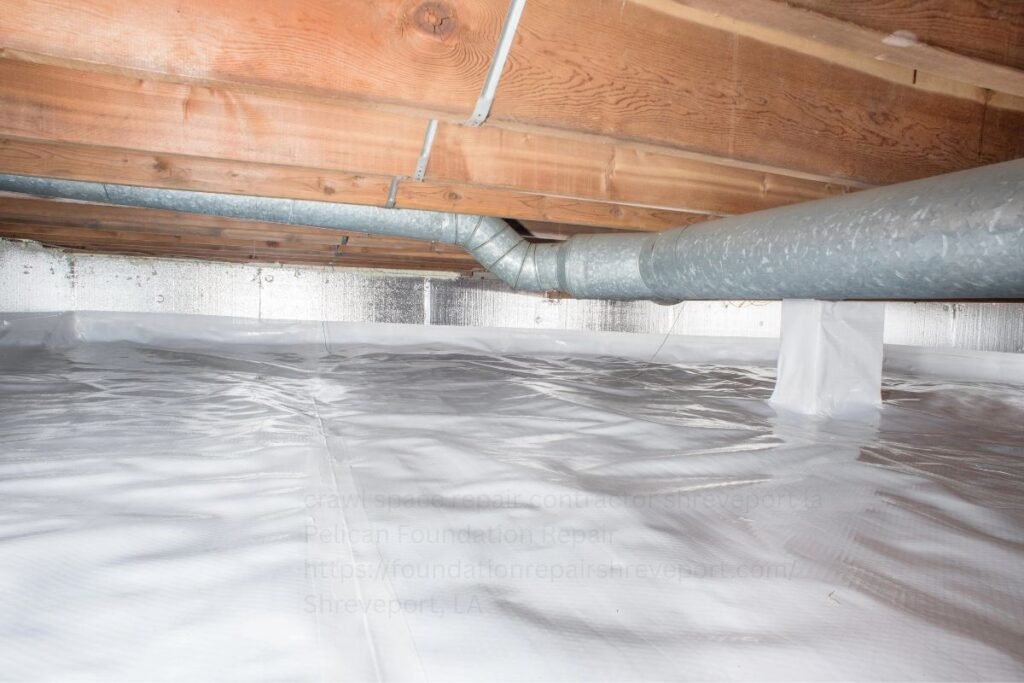
Second, seal the space. Encapsulation covers the ground and walls with a heavy vapor barrier, seals vents and gaps, and closes the penetrations where air and moisture enter. This is the step that cuts off the stack effect at its source, because there is no longer a damp, open reservoir of air under the house feeding the rooms above. Our crawl space encapsulation service explains what a sealed system includes, and our guide to crawl space encapsulation maintenance covers how to keep it working year after year.
Third, control humidity inside the sealed space with a dehumidifier sized for crawl spaces, drained so it never needs emptying by hand. A sealed space without dehumidification can still hold damp air; a dehumidifier without sealing just runs forever fighting outdoor air. The two work as a pair. For the details, see our crawl space dehumidifier guide.
Fourth, and only after the moisture is controlled, repair any structural damage the damp caused: sister or replace weakened joists, reset shifted supports, and level floors that sagged. Doing structural work before fixing moisture is like painting over a leak. A expert inspection can sort out which of these steps your home actually needs, and in what order, since every crawl space is a little different. Start at our homepage for the full picture, and see our crawl space repair service for the structural side of the work.
What You Can Check Yourself This Weekend
You do not need to wait for a professional to learn a lot about your crawl space. A flashlight and twenty minutes will do it. Look through the access opening for standing water, wet soil, stained or fuzzy joists, sagging insulation, and any musty smell that hits you at the opening. Note whether vents are open or sealed, whether ductwork shows condensation, and whether any plumbing drips. Photograph what you find with dates, so you can tell whether a stain is growing or a puddle is a one-time event.
Inside, walk the ground floor slowly and note which rooms smell musty, which floors feel uneven or bouncy, and which doors stick. Patterns matter: problems clustered on one side of the house often trace to grading or a gutter problem on that side, while problems everywhere suggest the whole crawl space needs sealing and drying. Do not crawl into standing water, and do not touch wet electrical equipment. A look from the opening is a homeowner check; anything deeper is a professional visit.
If what you find worries you, get it evaluated before the next wet season adds another cycle of damp. The U.S. Environmental Protection Agency publishes helpful background on indoor air and moisture, and the LSU AgCenter covers Louisiana soil and moisture conditions. For the mold angle specifically, see our post on whether mold in a crawl space should worry you.
- Look, do not crawl in: flashlight check from the access opening only.
- Photograph stains, puddles, and fallen insulation with dates for comparison.
- Fix outside water first: gutters, downspouts, and grading before sealing.
- Seal and dehumidify as a pair; neither works well alone in our humidity.
- Repair structure only after moisture is controlled, or the damage returns.
- One musty room may be a leak; mustiness everywhere points to the crawl space.
Frequently Asked Questions
What is the stack effect in a house?
The stack effect is the natural upward movement of air inside a home. Warm air rises and escapes near the top, and replacement air is pulled in from lower levels, including the crawl space, carrying whatever moisture and odors are down there up into your living space.
Can crawl space air really affect the air upstairs?
Yes. Air moves through gaps around pipes, wires, ducts, and floorboards, so damp, musty crawl space air reaches the rooms above every day. That is why a musty smell often survives cleaning and air fresheners: the source is below the floor, not in the room.
Does opening crawl space vents help in Shreveport?
Usually not. In our humid climate, venting pulls warm, moist outdoor air into a cooler crawl space, where the moisture condenses on joists and ducts. Sealing the space and controlling humidity with a dehumidifier works far better here than leaving vents open.
Will encapsulation stop the musty smell in my house?
In most cases, yes, once the source is addressed. Sealing the ground and walls, closing vents and gaps, and drying the space removes the damp air reservoir that feeds the smell. Existing mold on joists may also need cleaning, and any outside drainage problem must be fixed first.
Is stack effect moisture a foundation problem?
It can become one. Moisture alone is not foundation failure, but years of damp can weaken joists, rot wood supports, and soften the soil under piers, which eventually shows up as sagging floors and sticking doors. Fixing moisture early prevents that progression.
How do I know if my crawl space needs encapsulation?
Look for the signs: musty smells upstairs, damp or stained joists, standing water, sagging insulation, or cupped floors. A expert inspection with a crawl space check can confirm whether sealing and drying will solve it or whether structural work is also needed.
What does crawl space encapsulation cost in Shreveport?
Cost depends on the size of the crawl space, its condition, and whether drainage or structural repairs are needed first. Because every space differs, a expert inspection is the honest way to get a real number for your home rather than a guess from a price list.
Pelican Foundation Repair
6118 Fairfield Ave, Shreveport, LA 71106, USA
318-585-2003
https://foundationrepairshreveport.com/