 Skip to main content

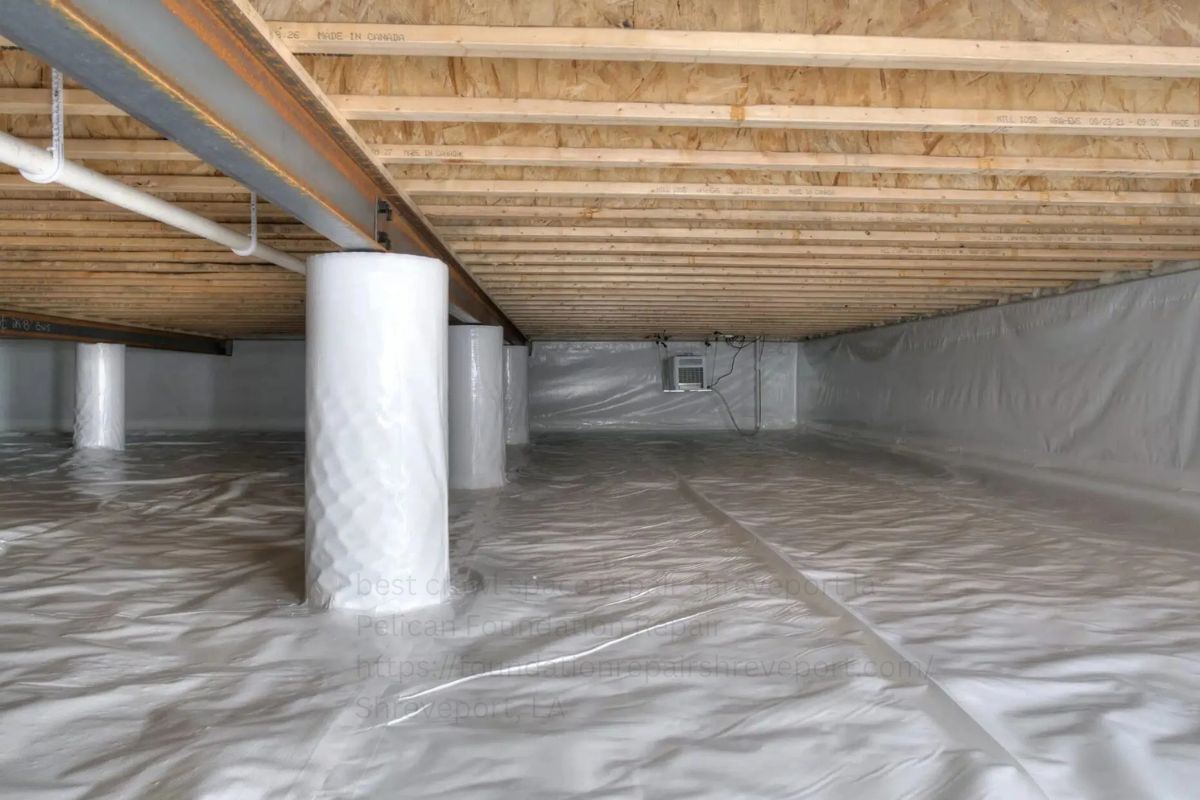
Does Crawl Space Encapsulation Prevent Mold? What Homeowners Should Know
Crawl space encapsulation dramatically reduces mold risk by cutting off the moisture mold needs. But existing mold must be remediated first, and a dehumidifier plus drainage usually complete the system.
Does crawl space encapsulation prevent mold? Mostly, yes. Encapsulation seals your crawl space off from damp Louisiana soil and humid outside air, starving mold of the moisture it cannot live without. But it cannot undo mold that is already growing, and without a dehumidifier, humidity can stay high enough for mold to thrive.
Here is how the whole picture fits together. If you own a pier-and-beam home anywhere around Shreveport — Highland, Broadmoor, Bossier City, out toward Haughton or Benton — you already know our crawl spaces are mold heaven. Gulf humidity hangs in the air most of the year, our clay soil holds water against the foundation, and a vented crawl space breathes all of that moisture straight in every summer. That is why so many homeowners ask us whether encapsulation is the answer. It is a big part of the answer, but it works best as a system, not a single product.
Why Mold Loves Louisiana Crawl Spaces
Mold needs three things: food, warmth, and moisture. Your crawl space already has the first two — wood joists and subflooring for food, and our mild winters mean it almost never gets cold enough to slow mold down. That leaves moisture as the only variable, and in Northwest Louisiana, moisture is everywhere.
A traditional vented crawl space was designed on the theory that airflow would dry things out. In a dry climate, that sort of works. In Shreveport, it backfires. Every summer, hot humid air flows through the vents and hits the cooler surfaces under your house — the ductwork, the pipes, the joists — and condenses, just like a cold glass sweating on a July afternoon. Meanwhile, our expansive clay soil wicks groundwater up and releases it as vapor straight through the dirt floor. The result is a crawl space that sits at 70–90% relative humidity for months, which is paradise for mold.
That matters for more than the wood down there. Building scientists estimate that roughly half the air you breathe on the first floor of a house started in the crawl space, rising through gaps around pipes, wiring, and ductwork in what is called the stack effect. So a moldy crawl space in a Cedar Grove ranch is not just a structural problem — it is an indoor air quality problem for the whole family. If you are wondering how worried to be about what is growing down there, our article on mold in crawl spaces walks through the warning signs in plain language.
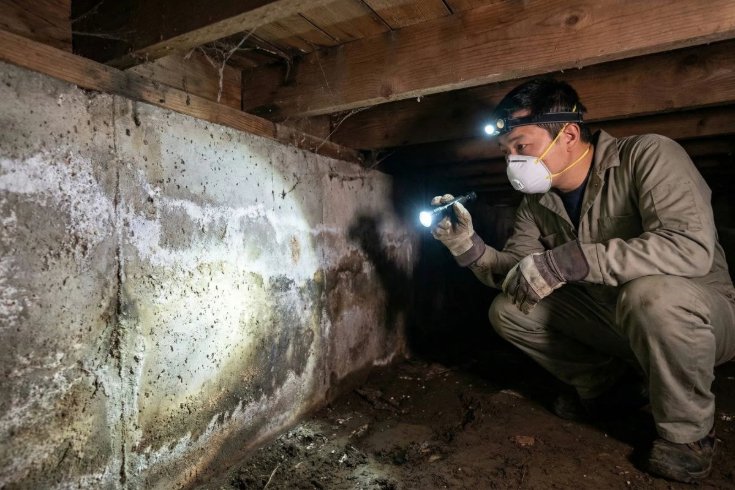
How Encapsulation Starves Mold of Moisture
Encapsulation attacks the moisture side of the equation from every direction. Here is what a proper system includes:
- Heavy vapor barrier on the ground. A thick reinforced liner — far tougher than the thin plastic some contractors use — gets sealed across the entire dirt floor and up the foundation walls. This cuts off the constant wick of ground moisture, which is the single biggest humidity source in most Shreveport-area crawl spaces.
- Sealed vents and gaps. The foundation vents that were funneling humid summer air inside get closed and sealed, along with gaps around pipes and penetrations. The crawl space stops breathing the swamp.
- Sealed foundation walls. The liner runs up the interior walls and gets mechanically fastened and sealed, so moisture cannot migrate through the masonry either.
- A dedicated dehumidifier. This is the piece people skip, and it is the piece that makes the system actually work — more on that below.
- Drainage where needed. If water pools under the house after our spring downpours, an interior drain and sump setup moves it out before it can evaporate into the air.
Done right, this system typically holds a crawl space under 60% relative humidity year-round — and mold generally cannot grow below that threshold. That is the mechanism behind the headline: encapsulation does not poison mold or repel it, it simply removes the moisture mold needs, the way draining a pond gets rid of mosquitoes.
For the full picture of what the job involves and what it costs around here, see our crawl space encapsulation service page. And if you are weighing encapsulation against a simpler liner, our comparison of encapsulation vs. vapor barrier explains where the extra investment goes.
The Honest Limitations: What Encapsulation Cannot Do
Now the part some contractors gloss over. Encapsulation is powerful, but it has limits you deserve to know before you spend the money.
It does not kill existing mold. If your joists already have active mold growth — the fuzzy black, green, or white staining we see constantly in older pier-and-beam homes from Greenwood to Minden — sealing the space will slow it down, but it will not eliminate it. Dead mold can still trigger allergies, and dormant mold wakes right back up if humidity ever spikes. Any reputable encapsulation job in a moldy crawl space starts with proper mold remediation: cleaning the wood, treating it, and only then sealing the space. If a contractor wants to encapsulate right over visible mold, get a second opinion.
It does not fix bulk water problems by itself. A vapor barrier handles vapor, not flooding. If water runs under your house every time it rains hard — common in low spots around Red Chute and along drainage-challenged lots in Eastwood — you need drainage first: grading, gutters, and often an interior drain with a sump pump. Encapsulating over a recurring puddle just gives you a very expensive bathtub liner.
It does not replace the dehumidifier. Even sealed, a crawl space in our climate generates some moisture from the small amount of air exchange and any residual ground vapor. Without mechanical dehumidification, humidity can creep back toward the mold zone, especially in August and September. The dehumidifier is not an upsell — it is the engine of the system. Our crawl space dehumidifier guide explains sizing and what to look for.
Encapsulation vs. Just a Dehumidifier vs. Doing Nothing
Homeowners often ask whether they can skip straight to one piece of the system. Here is the honest comparison:
| Approach | Mold Protection | Typical Cost Range |
|---|---|---|
| Doing nothing (vented crawl space) | None — humidity stays in the mold zone most of the year | $0 now; rot and repair bills later |
| Dehumidifier alone in a vented space | Weak — the unit fights endless incoming humid air and usually loses | $1,200–$2,500 plus high electric bills |
| Vapor barrier on the ground only | Partial — blocks ground vapor but vents still admit humid air | $1,500–$4,000 |
| Full encapsulation + dehumidifier | Strong — holds humidity below mold thresholds year-round | $5,000–$15,000 |
The middle options are not scams — a ground-only barrier beats bare dirt — but they leave the biggest moisture source, the humid air itself, untouched. In our climate, that is like bailing a boat without plugging the leak. The full system costs more because it addresses every moisture path, and that is why it is the only option that reliably keeps mold from coming back. The EPA’s guidance on mold says the same thing in government language: control moisture and you control mold.
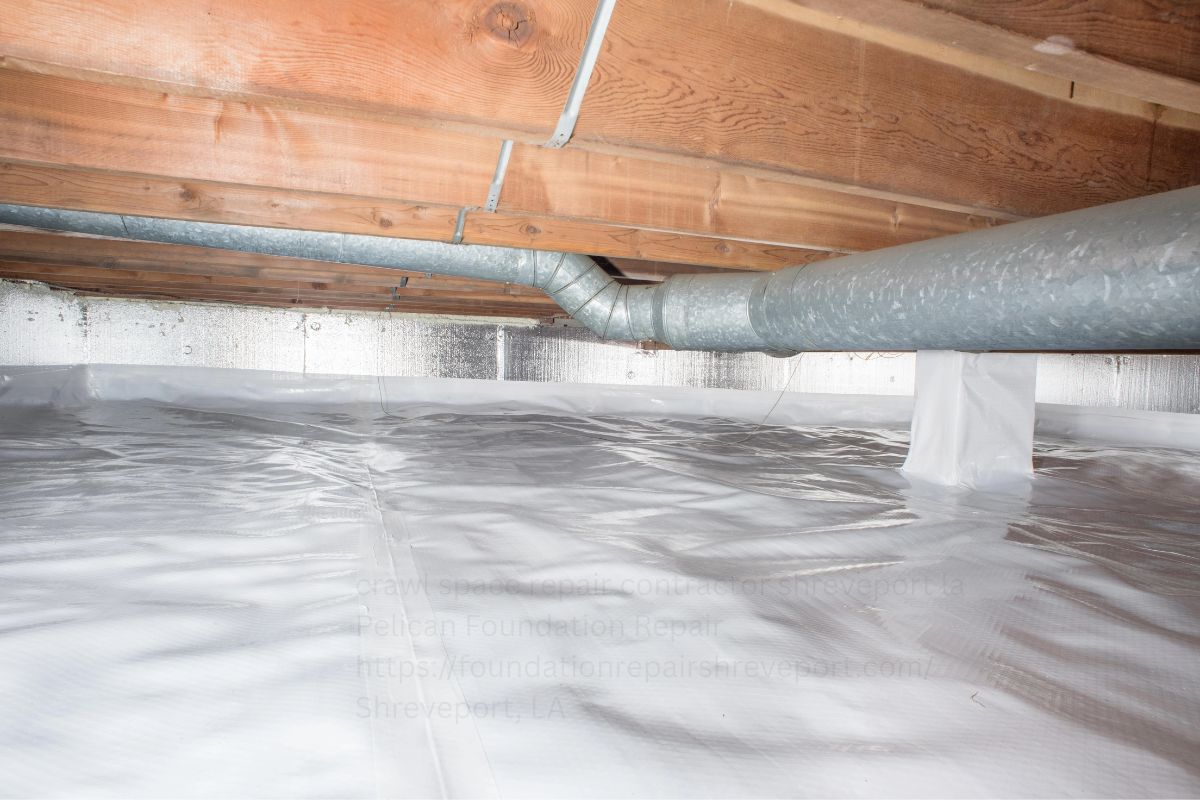
Signs Your Crawl Space Needs Attention Now
You do not need to crawl under the house yourself — most of the warning signs show up in the living space:
- A musty smell on the first floor, especially in summer, that air freshener never quite fixes.
- Cupping or buckling hardwood floors, which means moisture is pushing up from below.
- Allergy symptoms that ease when you leave the house — a classic sign of crawl space mold spores riding the stack effect upstairs.
- Sweating ductwork or pipes visible through the crawl space access door.
- Standing water or mud under the house after rain, common on flat lots in Blanchard and Keithville where the clay drains slowly.
- Sagging or bouncy floors, which can mean moisture has softened joists or sills over time.
If two or more of these sound familiar, do not wait for the next rainy season to find out how bad it is. A free inspection takes about an hour: we suit up, go under the house, photograph everything, and show you exactly what we found — mold, moisture readings, wood condition, drainage — before recommending anything.
What a Proper Mold-Safe Encapsulation Job Looks Like
When you get quotes, compare them against this checklist. A mold-safe encapsulation in Northwest Louisiana should include:
- Mold remediation first if active growth is present — cleaning and treatment, not just covering it up.
- Drainage correction for any bulk water intrusion before the liner goes down.
- 20-mil (or heavier) reinforced vapor barrier, sealed at all seams and fastened up the walls.
- Sealed vents, sealed rim joists, and sealed penetrations around plumbing and wiring.
- A commercial-grade crawl space dehumidifier sized to the space, with a condensate drain — not a portable unit from a big-box store.
- A written warranty on the system. Pelican Foundation Repair stands behind qualifying encapsulation work with a 20-year structural warranty.
Our crews work across Shreveport, Bossier City, and every surrounding parish community Monday–Saturday, 8:00 AM–6:00 PM. Call 318-585-2003 for a free inspection, and we will show you — with photos and moisture readings, not sales pressure — exactly what your crawl space needs to stay dry and mold-free.
Frequently Asked Questions
Does crawl space encapsulation prevent mold completely?
It prevents the conditions mold needs, which in practice stops new mold growth — but it is not a sterilizer. Existing mold must be remediated before encapsulating, and the system needs its dehumidifier running to hold humidity below the roughly 60% threshold where mold thrives. Think of it as mold prevention by moisture control, which is the most reliable kind.
Do I need mold remediation before encapsulation?
If there is visible active mold, yes — always. Encapsulating over live mold traps the problem where you cannot see it, and dead mold residue can still affect allergies. A proper job cleans and treats the wood first, then seals the space. Any contractor who wants to skip that step is cutting a corner you will regret.
Can I just run a dehumidifier without encapsulating?
You can, but in a vented Louisiana crawl space it is an uphill battle. The dehumidifier will run constantly fighting the humid air pouring through the vents, driving up your electric bill while barely denting the humidity. Sealing the space first lets a right-sized dehumidifier actually win — and use far less energy doing it.
How long does encapsulation keep mold away?
The physical system — liner, seals, drainage — lasts for decades with minimal maintenance. The mold protection lasts as long as the system is intact and the dehumidifier is running and serviced. Check the dehumidifier filter a couple of times a year and glance under the house after big storms, and the protection holds.
Will encapsulation help with the musty smell in my house?
Usually, dramatically. That musty odor is typically mold and mildew gases rising from the crawl space through the stack effect. Once the moisture source is controlled and existing mold is remediated, most homeowners notice the smell fading within days to weeks.
Is encapsulation worth it on an older pier-and-beam home?
Often it is the highest-value upgrade an older pier-and-beam home can get in our area. Homes in Highland, Cedar Grove, and similar older neighborhoods frequently have decades of moisture damage under them; encapsulation stops further deterioration, protects the structure, and improves the air the family breathes. Get an inspection first — if the wood is already badly rotted, structural repairs come before encapsulation.
Does encapsulation help with anything besides mold?
Yes. It protects floor joists and subflooring from rot, deters wood-destroying insects that love damp wood, keeps ductwork from sweating (which improves HVAC efficiency), and reduces the humidity load on your air conditioner. Many homeowners notice lower summer cooling bills after a full encapsulation.
How do I know if my crawl space has a mold problem right now?
Musty smells upstairs, allergy symptoms that improve away from home, cupping floors, and visible staining on joists are the big clues. But the only way to know for sure is to look — which is exactly what our free inspection does, with photos and moisture meter readings you can see for yourself. Call 318-585-2003, Monday–Saturday, 8:00 AM–6:00 PM.
Pelican Foundation Repair
6118 Fairfield Ave, Shreveport, LA 71106, USA
318-585-2003
https://foundationrepairshreveport.com/