Crawl Space Encapsulation Maintenance: Keeping the System Working
Crawl space encapsulation maintenance is the yearly check that keeps the liner, dehumidifier, seals, and drainage working as one dry system under your home.
Encapsulation maintenance means inspecting the vapor barrier for tears and loose seams, testing the dehumidifier and drain, checking seals around piers and pipes, and measuring wood moisture. Done once a year, it catches small failures early, while they are still cheap fixes, instead of letting them grow into a damp crawl space all over again.
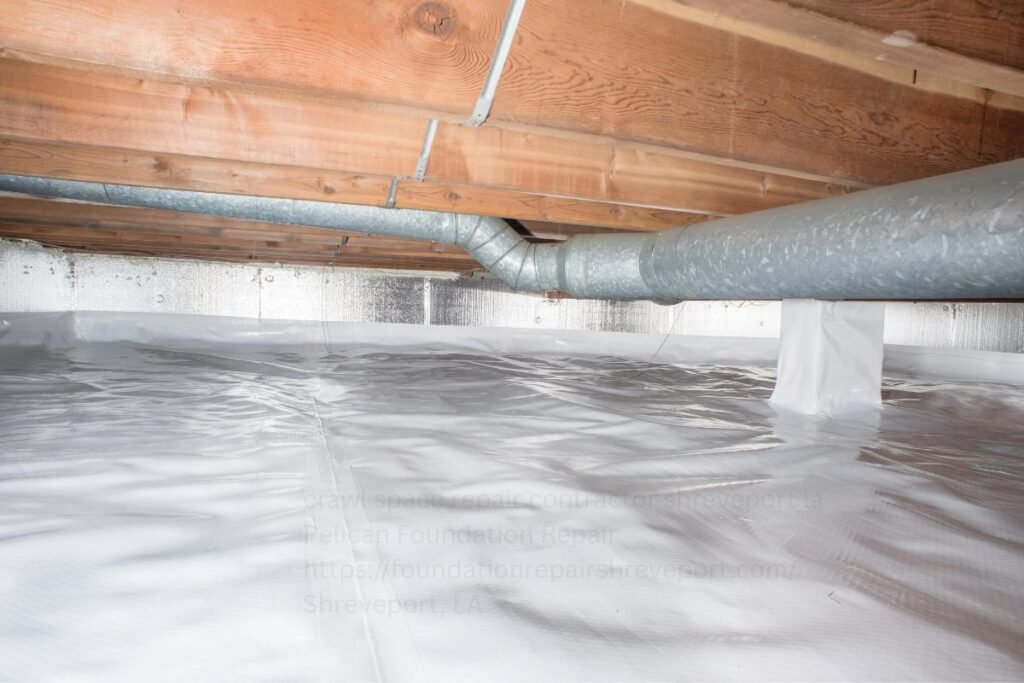
An encapsulated crawl space looks finished the day the crew leaves: white liner on floor and walls, vents sealed, a dehumidifier humming in the corner. It is easy to assume the job is done forever. It is not. A liner can tear, a seam can lift, a drain can clog, and a dehumidifier can fail on the hottest week of the year. Maintenance keeps a sealed system sealed.
What Encapsulation Maintenance Actually Means
Encapsulation is not a single product. It is a system: the liner, the dehumidifier, sealed vents and access door, and drainage where the crawl space needs it. If one part fails, the rest compensate for a while, then fail too. A torn liner lets damp soil air in. A dead dehumidifier lets that air stay wet, feeding mold and inviting termites.
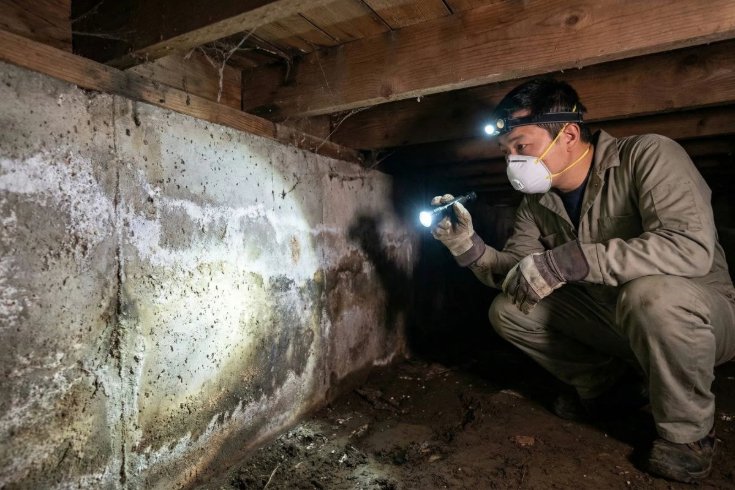
That is why a maintenance visit is a system check, not a quick peek. The technician goes under the house with a flashlight and a moisture meter, walks the full liner, tests the dehumidifier, traces the drain line, and checks the wood. The visit also preserves access for termite inspection. The U.S. Environmental Protection Agency explains why controlling moisture matters for mold prevention, and the same principle applies under the house.
Homes across Shreveport, from Highland and South Highlands to Broadmoor and Fairfield Avenue near Pelican’s office at 6118 Fairfield Ave, share the same maintenance drivers: long humid summers, heavy rain seasons, and clay that moves water toward the house. Pier-and-beam homes, the most common encapsulation candidates here, are also the hardest to keep dry without a sealed system.
The Annual Maintenance Visit, Step by Step
A proper annual visit takes time, because the technician must see every part of the system, not just the easy stretch near the access door. Here is what a thorough visit covers.
Liner, seams, and seals
The liner is walked in full, seam by seam. The technician looks for tears, punctures, and worn spots, checks seams for lifting tape and gaps at corners and pier wraps, and checks seals around pipes, ducts, and wiring. A gap the width of a finger lets damp air stream in all summer. Small tears are patched on the spot.
Dehumidifier testing
The dehumidifier gets a real test, not a glance. The technician checks the filter, confirms the unit runs and cycles, checks the humidity setting, and verifies that condensate leaves through its drain line or pump. A unit that runs but never drains is just stirring wet air. The drain line is traced to its end, and power and indicator lights are checked.
Drainage, sump, and standing water
Where the system includes a drain, sump pump, or interior channel, each one is tested. The sump is checked for silt, the pump is run to confirm it moves water, and the discharge line is checked for clogs and a safe outlet. The floor is checked for standing water under the liner, which can mean rising groundwater, a pipe leak, or a failing drain. Any water found is traced to its source.
Wood moisture and condition
Moisture readings are taken from joists, beams, sill plates, and subfloor in several spots. Readings that hold steady year to year mean the system is working; readings that climb mean something has changed. The technician also looks for new mold, soft wood, termite mud tubes, and pest entry points. Photos from each visit are the clearest record a homeowner can keep.
Monthly and Seasonal Checks Homeowners Can Do
Between annual visits, the homeowner’s job is watching, not crawling. Most problems announce themselves from outside the crawl space. A quick check once a month, and a closer look when seasons change or after a big storm, is enough. Do not go under the house unless you know it is safe: low clearances, wiring, plumbing, and pests make crawl spaces a place for a professional with the right gear.
- Smell the air: a musty smell in the living space that worsens in summer, or a damp smell near floor vents, can mean the dehumidifier has stopped or a seal has opened.
- Listen for the dehumidifier: if you can hear it cycle, note whether it still runs on hot, humid days. Silence on a muggy day is worth a service call.
- Watch the discharge point: after rain, confirm the drain or sump discharge is flowing away from the house and has not been blocked by mulch, leaves, or a shifted pipe.
- Check the access door: the door should close tight and seal. A warped or loose access door is an open vent, letting humid air straight into the sealed space.
- Look at the yard: ponding water beside the house, a downspout that has come loose, or a ditch that has silted up will all raise crawl space moisture, no matter how good the liner is.
- Note floor changes: new sloping, bouncing, or squeaking in floors, or doors that start sticking, can mean moisture has returned to the wood or the soil has moved.
- After any service visit: if a plumber, electrician, or pest technician has been under the house, ask them to reseal any liner cuts they made, and book a liner check if you are not sure they did.
Keep a simple log: date, what you noticed, and a photo. A log turns a vague worry into a clear pattern and helps a technician find the problem faster. Spring tests the drain, summer tests the dehumidifier, fall tests the yard drainage, and winter rain finds any gap the other seasons left. Check at each change, and the system rarely fails quietly.
Common Problems Maintenance Catches Early
Almost every encapsulation failure starts small and cheap, and almost every expensive repair starts as a small failure left unchecked. The table below covers the problems a maintenance visit finds most often in Shreveport homes. None of them means encapsulation was a bad idea. They mean a living system needs attention, the way a roof needs attention after a storm.
| Problem | Early sign | Usual fix |
|---|---|---|
| Torn or punctured liner | Musty smell returns; damp patch on liner | Patch and reseal the damaged section |
| Lifted seam or seal | Damp air at a pier or pipe; condensation | Re-tape and reseal the joint |
| Clogged drain line | Dehumidifier runs but space stays damp | Clear and flush the line; check the pump |
| Failed dehumidifier | Unit silent or running without drying | Repair or replace the unit |
| Standing water under liner | Soft spots; water heard or seen at edges | Trace the source; fix drainage or plumbing |
| Pest or rodent damage | Chewed liner; droppings; torn seals | Patch liner; seal entry points; pest control |
Two problems deserve extra attention. The first is liner damage after other trades have been under the house: a plumber will cut the liner to reach a pipe, and if the cut is not resealed, the crawl space has a permanent open window to damp soil air. Always ask, and always verify. The second is a dehumidifier that still runs but no longer dries. That is why maintenance tests performance with moisture readings, not just whether the unit turns on. For the longer view, see how long crawl space encapsulation lasts and crawl space encapsulation vs vapor barrier.
Dehumidifier Care in Louisiana Humidity
The dehumidifier runs every day, and in Louisiana it runs hard. Summer air stays humid for months, and a sealed crawl space gives the unit a steady job: pull moisture out faster than it seeps in through soil and concrete. A well-sized unit handles that job quietly for years. An undersized unit, a clogged filter, or a blocked drain turns the same job into a losing battle.
Filter care is the homeowner’s simplest contribution. Check the filter every few months, more often in the first summer, and clean or replace it as the maker directs. A clogged filter starves the unit of air, ices the coils, and leaves the crawl space damp. Keep the area around the unit clear, and respect the drain line: a kinked or sagging line backs water into the unit or onto the liner.
Replacement signs are worth knowing before the unit dies in August. A dehumidifier that runs constantly without bringing moisture down, ices up repeatedly, trips breakers, or has needed the same repair twice is telling you its working life is ending. Never replace a crawl space unit with a portable room unit, which is not rated for crawl space conditions. The crawl space dehumidifier guide covers sizing, and the mold in crawl space guide explains what happens when humidity control lapses.
Maintenance Costs and What Neglect Costs
Maintenance costs are the part of encapsulation nobody quotes on installation day, so homeowners guess, and guessing usually means skipping. The honest picture is simple: maintenance is cheap compared with repair, and repair is cheap compared with a redo. A torn liner left for two wet seasons can grow into work many times the visit. Pelican’s own guidance puts it plainly: a small service call of around against a redo that can reach .
What a visit costs depends on crawl space size, access, and what the visit finds. Ask for the maintenance-visit price during your expert inspection, before the system is installed, so the cost is planned. Ask the same about the dehumidifier: replacement cost, expected life, and warranty coverage. Pelican offers a 20-year structural warranty on qualifying repairs, and encapsulation maintenance terms are separate, so get both in writing. Never assume a warranty covers neglect or transfers to a new owner.
The cheapest maintenance is the maintenance you do yourself between visits: the monthly watch, the seasonal yard check, and calling early. A musty smell in June is a service call. The same smell ignored until floors start bouncing is a repair. The crawl space encapsulation service page describes the full system, and the LSU AgCenter publishes Louisiana-specific guidance on moisture and soil conditions that shape how often a Shreveport system needs attention.
When Maintenance Is Not Enough: Repair or Re-Do
Maintenance keeps a good system good. It does not rescue a system installed poorly, sized wrong, or damaged beyond patching. Knowing the difference saves money both ways: it stops homeowners patching a system that needs rebuilding, and rebuilding one that only needs a patch. The line is usually clear once a professional has been under the house with a meter and a flashlight.
A re-do is warranted when the liner has failed across a large area, when groundwater returns no matter what the drain does, when the dehumidifier was never sized for the space, or when wood damage needs structural repair first. In those cases, patching is painting over a leak: the system will look sealed and stay damp. A re-do done right addresses the cause, whether that is drainage outside the house, a plumbing leak, or a unit that was always too small.
If your encapsulated crawl space has not been checked in more than a year, or you bought a home with encapsulation and have no records, treat the next visit as a baseline. It documents the liner, dehumidifier, drainage, and wood, takes moisture readings at several points, and gives you a starting record to compare against next year. A system with records is a system you can prove works, and Pelican Foundation Repair can establish that baseline for you.
Frequently Asked Questions About Crawl Space Encapsulation Maintenance
How often does crawl space encapsulation need maintenance?
Once a year for a full professional check, with quick homeowner checks monthly and after big storms. Homes with a sump pump, heavy tree cover, or a history of standing water may need the professional check twice a year.
What does an encapsulation maintenance visit include?
A full liner and seam inspection, dehumidifier testing, drain and sump testing, seal checks at piers and pipes, and wood moisture readings at several points, with photos so each year can be compared with the last.
Can I maintain my encapsulated crawl space myself?
You can watch for warning signs from outside the crawl space, such as musty smells, a silent dehumidifier, and ponding water in the yard. The under-house work, liner repair, and moisture testing belong to a professional with the right gear and a moisture meter.
How much does crawl space encapsulation maintenance cost?
An annual service visit is a routine service call, far less than a repair or a redo. Small problems caught early have been put at around , while a neglected system redo can reach . Ask for the maintenance-visit price during your expert inspection so the cost is planned.
What happens if I skip encapsulation maintenance?
Small failures grow quietly. A torn liner lets damp air in, a clogged drain leaves the dehumidifier fighting alone, and a failed unit lets humidity climb all summer. By the time the living space smells musty, the wood may already show mold or softening.
How do I know if my dehumidifier is still working?
It should cycle on humid days, drain water steadily, and keep wood moisture readings steady from year to year. A unit that runs constantly without drying, ices up, or trips breakers needs service, and a unit that is silent on a muggy day needs a service call right away.
Does encapsulation maintenance affect my warranty?
It can. Pelican offers a 20-year structural warranty on qualifying repairs, and encapsulation maintenance terms are separate from structural warranty coverage. Get both sets of terms in writing, keep your maintenance records, and never assume coverage transfers to a new owner without asking.
When should encapsulation be repaired instead of maintained?
Repair is right for a torn section, a lifted seam, a clogged line, or a failed pump. A re-do is warranted when the liner has failed across a large area, groundwater keeps returning, or the dehumidifier was never sized for the space. A professional inspection tells you which side of that line you are on.
Pelican Foundation Repair
6118 Fairfield Ave, Shreveport, LA 71106, USA
318-585-2003
https://foundationrepairshreveport.com/